



Tech Week in Review
The technology sector experienced a significant shift this week as investors rotated out of high-flying artificial intelligence stocks, leading to a broad sell-off across global markets. The tech-heavy Nasdaq composite dropped roughly 2%, while major semiconductor manufacturers from California to South Korea saw even steeper declines. This “gut-check moment” for the market comes after a prolonged rally that had recently propelled Nvidia to become the world’s most valuable company, briefly surpassing both Microsoft and Apple with a market capitalization exceeding $3.3 trillion.
Despite the recent pullback, the underlying fundamentals of the technology sector remain robust. Analysts suggest the sell-off is primarily driven by profit-taking and valuation concerns rather than a deterioration in business prospects. The artificial intelligence boom continues to fuel unprecedented capital expenditure, with major hyperscalers committing hundreds of billions of dollars to data center infrastructure. While market volatility may persist in the near term, the structural shift toward an AI-driven economy appears firmly intact.
Big Tech & AI Developments
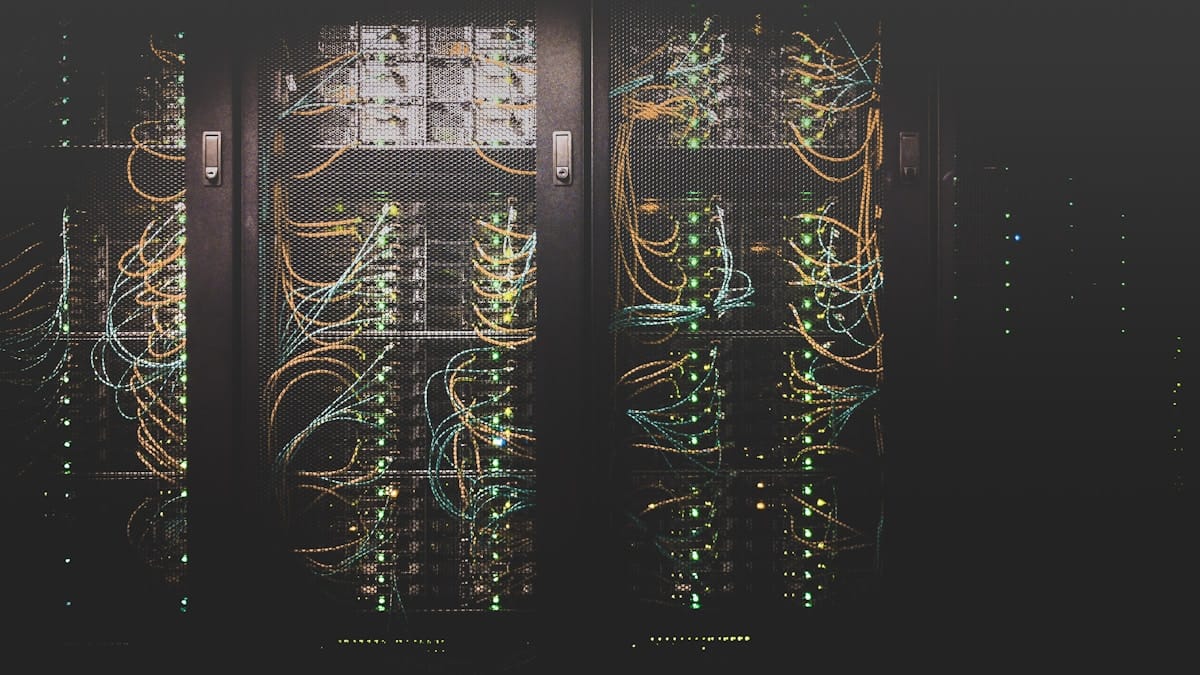
The race for artificial intelligence dominance accelerated this week with significant developments across the technology sector’s leading companies. OpenAI launched GPT-5.5-Cyber, its most powerful cybersecurity model to date, achieving a record 85.6% score on the CyberGym benchmark. This launch, part of the expanded Daybreak cybersecurity initiative, demonstrates the rapid vertical specialization of large language models into mission-critical enterprise applications. Meanwhile, the competition for AI talent intensified, highlighted by Google losing key researchers — including Nobel laureate and AlphaFold lead John Jumper — to rival Anthropic, causing Alphabet’s stock to fall as much as 7.2% intraday.
Infrastructure investments continue to scale at an astonishing pace. Alphabet, Amazon, Meta, and Microsoft are collectively projected to invest over $650 billion in AI-related infrastructure in 2026, with Nvidia forecasting that figure could reach $1 trillion or more in 2027. This massive capital deployment is driving the rapid expansion of data centers and the urgent need for advanced semiconductor technologies. SpaceX’s Colossus compute facility has also emerged as a major commercial AI platform, signing compute leases with Anthropic, Google, and Reflection AI totaling over $80 billion in committed revenues through 2029.
Investment implications: The staggering capital expenditures by big tech companies reinforce the long-term growth thesis for AI infrastructure providers. Investors should closely monitor the ability of these hyperscalers to monetize their AI investments, as sustainable revenue generation will be critical to justifying current valuations. The intensifying competition for AI talent also suggests that companies with the strongest research teams and compute resources will likely maintain their competitive edge. The talent exodus from Google warrants careful monitoring of Alphabet’s ability to deliver on its Gemini model roadmap.
Emerging Tech Trends
Beyond the headline-grabbing generative AI models, several emerging technology trends are gaining significant traction. Cybersecurity is undergoing a profound transformation as AI is increasingly deployed by both attackers and defenders. The launch of specialized AI models for vulnerability detection and remediation — including OpenAI’s “Patch the Planet” initiative, which has already scanned over 30 million commits across 30,000 codebases — highlights the critical need for automated security workflows. Companies providing AI-native security solutions, including Akamai, Cisco, Cloudflare, CrowdStrike, and Palo Alto Networks, are well-positioned to capture significant market share.
In the cloud computing space, the focus is shifting toward optimizing AI workloads and managing the immense data requirements of modern applications. AWS and Google Cloud are deepening multicloud interoperability, while Kubernetes and WebAssembly are converging to create new deployment paradigms. The intersection of AI with biotechnology is also yielding breakthroughs, as evidenced by John Jumper’s move to Anthropic to accelerate AI-driven drug discovery and protein structure research. Global AI spending is projected to reach $2.59 trillion in 2026, up 47% year-over-year, according to Gartner.
Investment implications: Diversifying tech portfolios beyond the mega-cap leaders is essential for capturing the next wave of innovation. Cybersecurity firms leveraging AI for proactive threat mitigation offer compelling growth prospects, particularly those with established enterprise relationships and government partnerships. Furthermore, specialized cloud service providers and companies operating at the intersection of AI and traditional industries present attractive opportunities for investors seeking exposure to emerging technological paradigms with potentially lower valuation risk than pure-play AI names.
Tech Stock Spotlight
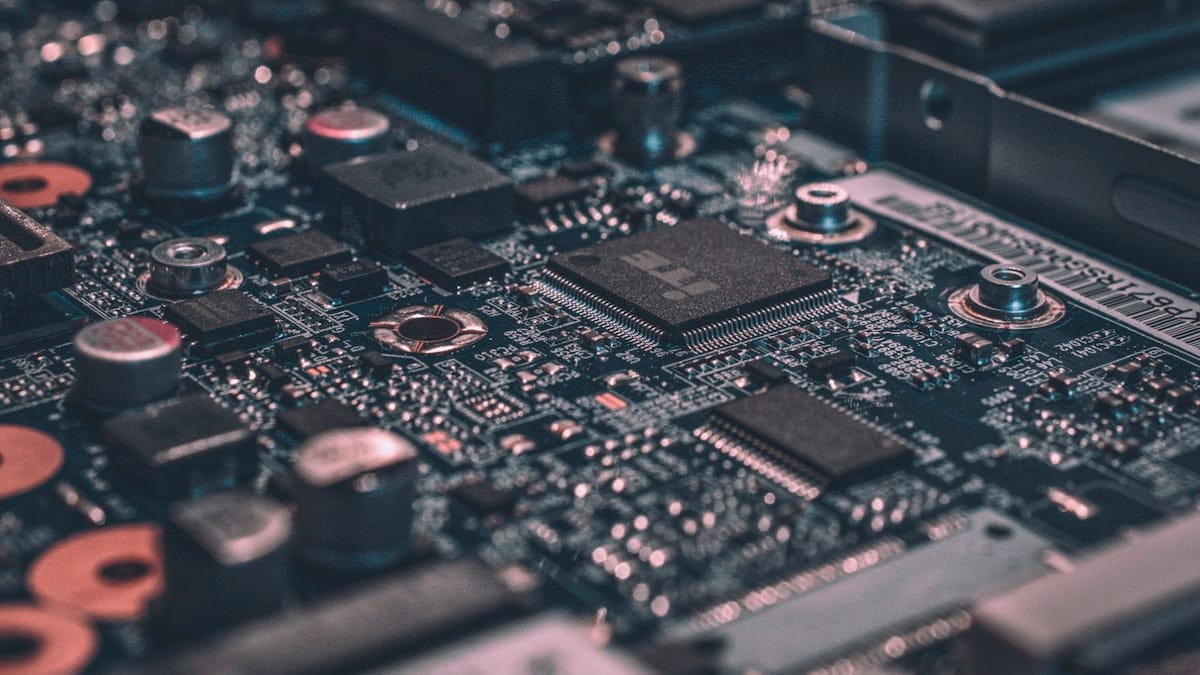
This week’s spotlight focuses on the semiconductor sector, the foundational layer of the artificial intelligence revolution. Nvidia (NVDA) has recently claimed the title of the world’s largest company by market capitalization, surpassing $5.1 trillion — a $600 billion gap above second-place Alphabet. The company’s GPUs remain the de facto standard for training and deploying advanced AI models, and its dominance has proven resilient even as custom AI chips have entered the market. Despite the recent sell-off, Nvidia trades at approximately 23.5 times forward earnings, barely above the S&P 500’s multiple, suggesting the market has not yet fully priced in the company’s anticipated 41% revenue growth in 2027.
Another key player in the spotlight is Micron Technology (MU). As the demand for AI processing surges, the need for high-performance memory and storage solutions has grown exponentially. Micron’s advanced DRAM and NAND products are critical components in AI data centers, and the company’s stock has climbed over 260% in 2026 alone. Analysts expect Micron to report Q3 earnings per share of approximately $20.39 on revenue of $35.5 billion — figures that would represent a dramatic acceleration from prior periods. The results will serve as a critical pulse check for the broader AI hardware ecosystem.
Investment implications: The semiconductor industry remains the most direct play on the proliferation of artificial intelligence. While valuations for industry leaders like Nvidia are elevated in absolute terms, their dominant market positions and exceptional growth rates offer compelling long-term potential. Investors should also consider the broader semiconductor supply chain, including memory manufacturers like Micron and semiconductor equipment providers, which are poised to benefit from the ongoing expansion of global fabrication capacity. Risk management through position sizing is advisable given the sector’s inherent volatility.
Week Ahead for Tech
Looking ahead, the technology sector faces a critical test with Micron Technology’s highly anticipated earnings report. As a bellwether for the memory chip market and AI infrastructure demand, Micron’s results and forward guidance will provide vital insights into the sustainability of the current capital expenditure cycle. A strong report could reignite the tech rally and validate the “third inning” thesis articulated by analysts like Wedbush’s Dan Ives, while any signs of softening demand could exacerbate recent market anxieties.
Investors will also be closely monitoring Google’s Gemini 3.5 Pro launch, which CEO Sundar Pichai committed to delivering in June 2026. With only days remaining in the month, the model’s general availability — or any further delay — will be a significant signal for Alphabet’s competitive positioning in the frontier AI race. Additionally, macroeconomic indicators, including the Federal Reserve’s interest rate posture and inflation data, will continue to shape risk appetite in the technology sector. Ongoing geopolitical developments and semiconductor export regulations remain key variables for global tech firms to navigate.
Disclaimer: This analysis is for informational and educational purposes only and should not be considered financial advice. Technology sector investments carry significant risks including rapid technological change, intense competition, and regulatory uncertainty. Always conduct your own research and consult with a qualified financial advisor before making investment decisions.