



The start of a new year presents a valuable opportunity to reassess your financial strategy, and for those nearing retirement, 2026 offers a particularly compelling reason to do so. The Internal Revenue Service (IRS) has announced significant increases to contribution limits for retirement accounts, creating a powerful window for savers to accelerate their progress. Among the most noteworthy changes is the introduction of a “super catch-up” provision, specifically designed to help individuals aged 60 to 63 make substantial last-minute additions to their nest eggs. This enhancement, part of the SECURE 2.0 Act, acknowledges the urgency many feel as they approach their retirement date and provides a meaningful tool to bolster their savings. For those in this age bracket, the ability to contribute up to $35,750 to a 401(k) plan represents a significant opportunity to fortify their financial future. Understanding the nuances of these new limits is the first step toward leveraging them effectively and ensuring a more secure and comfortable retirement. This article will provide a comprehensive overview of the 2026 changes, offering actionable advice to help you maximize your savings potential.

A Detailed Look at the 2026 Retirement Contribution Limits
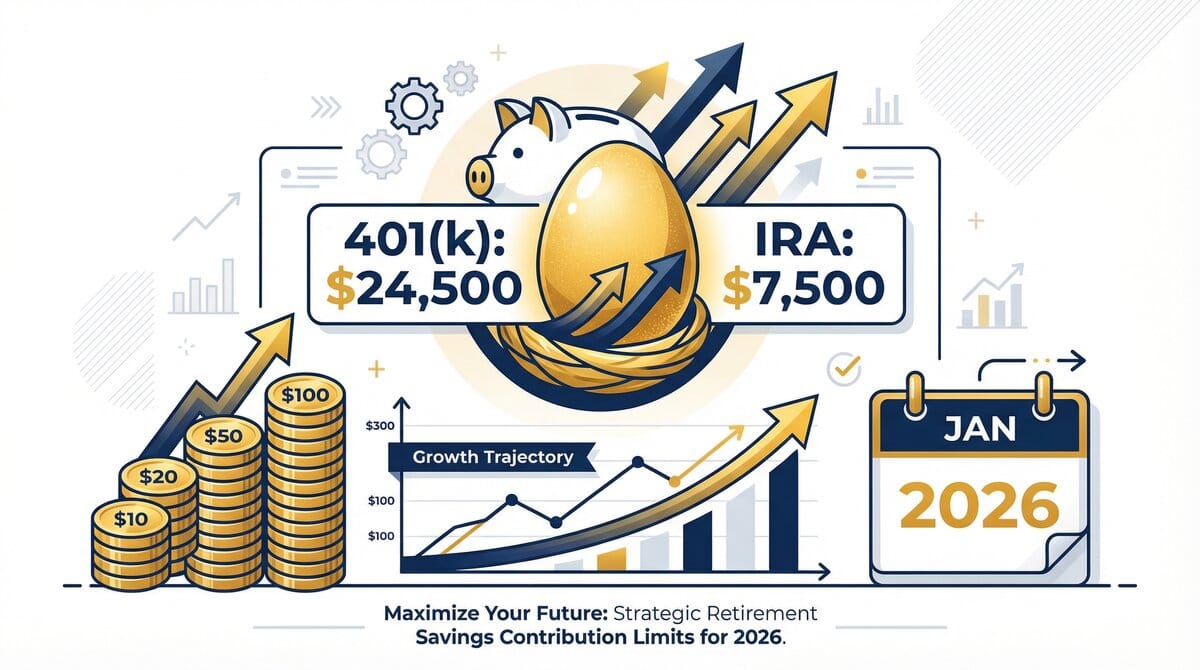
The 2026 adjustments to retirement contribution limits are designed to help Americans keep pace with inflation and build a more substantial retirement fund. The most significant changes apply to 401(k) plans, where the standard employee contribution limit has been raised to $24,500, a $1,000 increase from 2025. For those aged 50 and over, the standard catch-up contribution has also increased to $8,000, allowing for a total contribution of $32,500. However, the most impactful change is the “super catch-up” provision for individuals aged 60, 61, and 62. This allows for an additional contribution of $11,250, bringing their total potential 401(k) contribution to an impressive $35,750. For Individual Retirement Accounts (IRAs), the limit has increased to $7,500, with the catch-up for those 50 and older now indexed to inflation and set at $1,100 for 2026. This brings the total IRA contribution for this age group to $8,600. SIMPLE IRA participants will also see an increase in their contribution limits, with the standard limit rising to $17,000 and the catch-up for those 50 and over increasing to $4,000.
Action steps:
To take full advantage of these changes, it is crucial to act proactively. Start by reviewing your current contribution rate and adjusting it to meet the new, higher limits. If you are in the 60-63 age bracket, prioritize maximizing the “super catch-up” provision. Contact your employer’s human resources department or your plan administrator to increase your payroll deductions. For those with IRAs, set up automatic contributions to ensure you reach the new $7,500 limit. If you are eligible for catch-up contributions, make sure you are taking full advantage of them. Finally, if you have both a 401(k) and an IRA, create a contribution strategy that maximizes the tax advantages of both accounts.
Investment and Tax Implications of the New Limits
The increased contribution limits for 2026 have significant implications for both your investment strategy and your tax planning. By contributing more to your tax-advantaged retirement accounts, you can accelerate the growth of your portfolio through the power of compounding. The additional funds can be allocated to a diversified mix of assets, allowing you to pursue long-term growth while managing risk. The decision between a traditional and a Roth account becomes even more critical with these higher limits. Contributions to a traditional 401(k) or IRA are tax-deductible, which can lower your taxable income in the present. This can be particularly beneficial for those in their peak earning years. On the other hand, contributions to a Roth account are made with after-tax dollars, but withdrawals in retirement are tax-free. This can be an attractive option for those who anticipate being in a higher tax bracket in the future.
Investment implications:
With the ability to contribute more, you have a greater opportunity to diversify your investments. Consider allocating a portion of your increased contributions to growth-oriented assets, such as stocks or equity funds, to maximize your long-term returns. If you are closer to retirement, you may want to consider a more conservative allocation with a mix of stocks and bonds. The “super catch-up” provision for those aged 60-63 provides a unique opportunity to make a significant impact on your portfolio in a short period. By maximizing this contribution, you can potentially add tens of thousands of dollars to your retirement savings, which can have a meaningful impact on your financial security in retirement.
Common Mistakes to Avoid
While the new contribution limits offer a great opportunity, there are several common mistakes to avoid. One of the most significant is failing to take advantage of the “super catch-up” provision. This is a limited-time opportunity for those aged 60-63, and missing out on it can mean leaving a substantial amount of money on the table. Another common error is not adjusting contributions to account for income phase-out ranges for IRA deductions and Roth IRA contributions. As your income changes, your eligibility to contribute to these accounts may be affected. It is also crucial to ensure you are contributing enough to receive your full employer match in your 401(k) before maximizing your IRA contributions. The employer match is essentially free money, and it should be a top priority. Finally, be mindful of the April 15 deadline for making prior-year IRA contributions. This can be a valuable tool for maximizing your retirement savings, but it is often overlooked.
Next Steps and Resources
To make the most of the 2026 retirement contribution limits, start by assessing your current financial situation and retirement goals. Use online retirement calculators, such as the one offered by AARP, to estimate how much you need to save. Consult with a qualified financial advisor to create a personalized retirement plan that takes into account your unique circumstances. They can help you determine the right mix of investments and the most tax-efficient contribution strategy. For authoritative information on retirement plans and contribution limits, visit the official websites of the IRS and the Social Security Administration. These resources provide a wealth of information, including publications and frequently asked questions. By taking these proactive steps, you can position yourself for a more financially secure and fulfilling retirement.
Disclaimer: This analysis is for informational and educational purposes only and should not be considered financial or tax advice. Retirement planning involves complex tax and legal considerations that vary by individual circumstances. Always conduct your own research and consult with a qualified financial advisor and tax professional before making retirement planning decisions.