


Week in Review
Wall Street capped a remarkable week with all three major indexes closing at fresh all-time highs on Friday, May 29, 2026, as the S&P 500 notched its ninth consecutive weekly gain — the longest winning streak since 2023. The benchmark index added 0.2% on Friday to close at 7,580.06, extending a seven-session winning run. The Dow Jones Industrial Average surged 0.7%, or over 350 points, closing above the psychologically significant 50,000 level for the first time, settling at 51,032.46. The Nasdaq Composite added 0.2% to close at 26,972.62.
For the month of May, the performance was even more striking. The Nasdaq entered the final trading day up approximately 8% for the month, the S&P 500 gained around 5%, and the Dow added roughly 2% — all on pace for strong monthly closes. Since the market lows of late March, the S&P 500 has surged approximately 17% over eight weeks, representing one of the strongest such runs in over two decades, according to market data compiled by Bilello Research.
Two dominant themes defined the week's trading: the relentless momentum of the artificial intelligence investment boom, headlined by blockbuster earnings from Dell Technologies, and cautious optimism surrounding a potential US-Iran ceasefire deal that sent oil prices sharply lower. The combination of resilient corporate earnings — with S&P 500 companies reporting aggregate profit growth of approximately 28% for the most recent quarter — and easing geopolitical tensions provided the fuel for another record-setting advance.
Top Stories of the Week
Dell Technologies Blows Out Earnings, AI Server Demand Surges
The week's most market-moving corporate event came Thursday evening when Dell Technologies reported fiscal first-quarter 2027 results that dramatically exceeded analyst expectations. Dell raised its full-year fiscal 2027 revenue forecast to $167 billion from $140 billion, with a staggering $60 billion of that revenue projected to come from AI server sales alone — representing AI server revenue growth of 342% year-over-year. The company disclosed a record $43 billion AI server backlog, signaling that enterprise demand for AI computing infrastructure shows no signs of slowing.
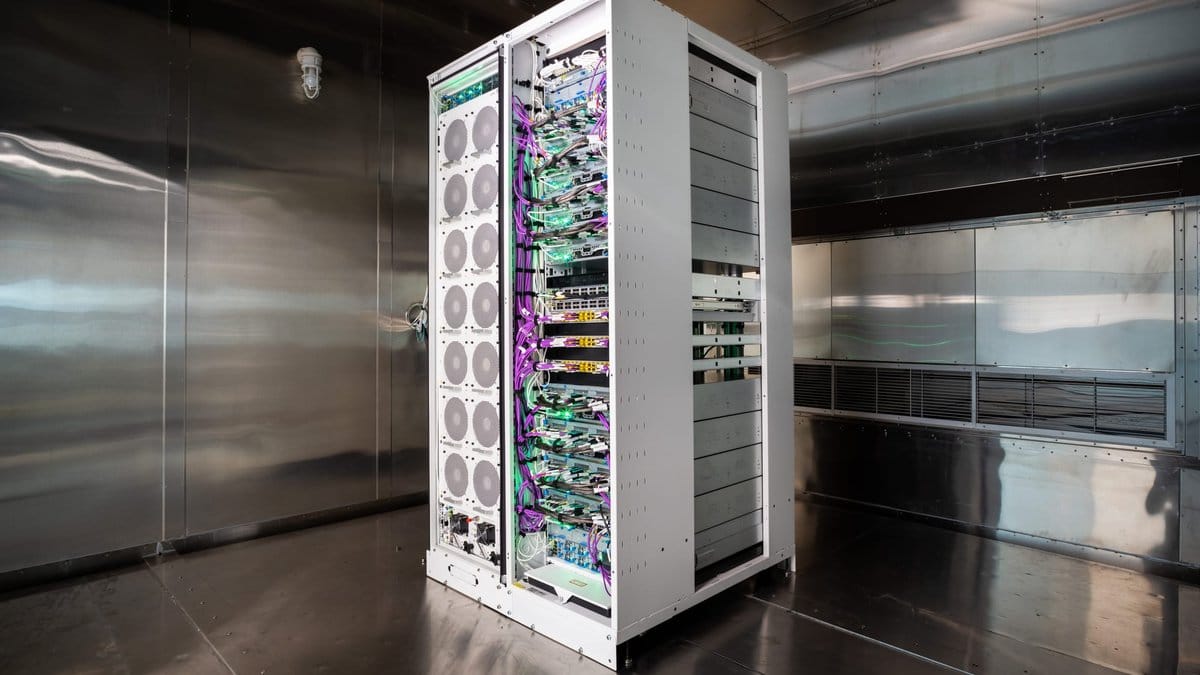
Dell shares surged approximately 33% on Friday, lifting a broad swath of AI-adjacent stocks with it. Hewlett Packard Enterprise jumped 12%, Super Micro Computer climbed sharply, and Palantir Technologies gained as much as 10% after Dell's results validated the company's recently announced partnership to deploy Palantir software on Dell's AI factory infrastructure powered by Nvidia chips. Micron Technology, which had already surged more than 80% in May alone, received further analyst upgrades, with Susquehanna raising its price target to $1,750 from $600.
Investment implications: Dell's blowout results and raised guidance confirm that the AI infrastructure buildout is accelerating rather than plateauing. Investors with exposure to AI hardware, server manufacturers, and semiconductor suppliers — particularly those in the Nvidia ecosystem — are well-positioned. The $60 billion AI server revenue forecast alone represents a structural shift in enterprise technology spending that is likely to benefit the broader technology supply chain for multiple years.
US-Iran Ceasefire Talks Advance, Oil Prices Retreat
Markets received a significant geopolitical tailwind late in the week as reports emerged that US and Iranian negotiators had reached a preliminary 60-day memorandum of understanding to extend the existing ceasefire and reopen the Strait of Hormuz to commercial shipping. President Trump confirmed Friday that he would soon make a “final determination” on the proposed deal, though he reiterated key conditions including unrestricted shipping through the Strait, the destruction of Iran's enriched uranium stockpiles, and a permanent prohibition on Iran developing nuclear weapons.
Brent crude oil fell 1.7% on Friday to settle at $91.12 per barrel, on track for a monthly decline of approximately 22%. US WTI crude fell 1.7% to $87.36 per barrel, losing approximately 18% for the month. While prices remain well above the pre-war level of approximately $70 per barrel from late February, the sharp pullback from recent highs provided meaningful relief for inflation-sensitive markets.
Investment implications: A durable ceasefire and reopening of the Strait of Hormuz would represent a significant deflationary catalyst, potentially allowing the Federal Reserve to shift toward rate cuts earlier than currently anticipated. Energy sector investors should monitor the situation closely, as sustained lower oil prices could compress margins for upstream producers while benefiting refining, transportation, and consumer-facing sectors.
PCE Inflation Accelerates to Three-Year High
The Federal Reserve's preferred inflation gauge delivered a sobering reading on Thursday. The Personal Consumption Expenditures (PCE) Price Index rose 3.8% year-over-year in April, up from 3.5% in March and the highest annual reading in three years. Core PCE, which excludes food and energy, rose 3.3% year-over-year and 0.2% month-over-month, in line with consensus estimates. The data reflects the combined impact of tariffs and the Iran war's effect on energy and goods prices.
Investment implications: The elevated PCE reading reinforces the Federal Reserve's current posture of holding interest rates steady. According to CME's FedWatch tool, markets are pricing in no rate cuts at the June FOMC meeting, with the Fed expected to remain on hold through the remainder of 2026. Fixed income investors should position accordingly, while equity investors should focus on companies with strong pricing power capable of passing through elevated input costs.
SpaceX IPO Announcement Electrifies Space Sector
The week also saw significant activity in the space sector following Nasdaq's announcement that it had won the listing rights for SpaceX's highly anticipated initial public offering — potentially the largest IPO in history. The company is expected to raise approximately $75 billion, which would put its float between 3% and 5% of total market capitalization. The announcement sent space-related stocks surging earlier in the week, though the sector suffered a sharp reversal Friday after Blue Origin's New Glenn rocket exploded during a hot-fire test at Cape Canaveral, with AST SpaceMobile falling as much as 18% and Rocket Lab declining more than 6%.
Investment implications: The SpaceX IPO, when it proceeds, will represent a landmark moment for the commercial space industry and is expected to attract significant institutional capital. Investors interested in the sector should note the high volatility inherent in space-related equities, as demonstrated by Friday's sharp sector-wide selloff following the Blue Origin incident.
Sector Performance Analysis
Technology was the undisputed leader of the week and the month, with the S&P 500 technology sector advancing approximately 7.26% for the week and more than 15% for the month of May. The AI-driven rally in semiconductors was particularly pronounced, with Micron surging over 80% in May, AMD gaining more than 40%, and SanDisk advancing nearly 50% for the month. Large-cap technology names including Microsoft (+3.6% on Friday) and Broadcom (+2.4%) also contributed meaningfully to the index's advance, reflecting the outsized influence of mega-cap technology stocks on overall market direction.
Healthcare also performed well during the week, supported by positive sentiment around pharmaceutical innovation and AI-assisted drug discovery. On Friday, energy, real estate, and utilities were the best-performing sectors on a daily basis, as oil price declines paradoxically boosted energy-adjacent sectors through improved consumer spending expectations. Cybersecurity stocks also attracted significant attention, with CrowdStrike gaining approximately 41% over the past month as investors recognized the growing security demands of AI-scale data infrastructure.
The worst-performing areas of the market included the Russell 2000 small-cap index, which fell 0.68% on Friday and underperformed large-cap benchmarks significantly over the month. Consumer discretionary and consumer staples faced headwinds from declining consumer confidence, as rising gasoline prices and persistent inflation squeezed household budgets. Consumer confidence data released during the week showed continued deterioration, with sentiment at multi-year lows driven by price concerns at the pump and grocery store.
Investment implications: The stark divergence between large-cap technology and the broader market — where most S&P 500 sectors actually declined in May even as the index rose — underscores the concentration risk in current market positioning. Investors should consider whether their portfolios are appropriately diversified beyond the AI-driven technology trade, particularly given stretched valuations in the sector and the potential for a June pullback noted by multiple strategists.
Economic and Fed Developments
Beyond the headline PCE inflation data, the week delivered a mixed bag of economic signals. Weekly jobless claims ticked up modestly to 215,000, remaining historically low but showing a slight uptick that bears monitoring. Consumer confidence continued its downward trend, with survey data reflecting Americans' growing anxiety about gasoline prices and the broader cost of living. Tomato prices, gasoline, and a range of everyday goods have become symbols of the affordability squeeze facing households, with analysts noting that the combined impact of tariffs and war-related energy costs is creating a challenging environment for consumer spending.
Federal Reserve Vice Chair for Supervision Michelle Bowman delivered remarks Friday reiterating the Fed's commitment to its 2% inflation target, while acknowledging the complexity of the current environment. New Fed Chair Kevin Warsh, sworn in earlier in May, has signaled a cautious approach to monetary policy, emphasizing the need to see sustained progress on inflation before considering any adjustment to the current rate stance. The Fed is widely expected to hold rates steady at its June meeting and through the remainder of 2026, with S&P 500 earnings growth and labor market resilience providing some offset to the inflation headwinds.
Looking Ahead
The week ahead will bring several important catalysts that could test the market's remarkable nine-week winning streak. Hewlett Packard Enterprise is scheduled to report earnings Monday after the closing bell, and investors will be watching closely to see whether the company can replicate Dell's AI-driven upside. Additional technology earnings reports and guidance updates will continue to shape sentiment around the AI infrastructure trade.
On the macroeconomic front, markets will be closely monitoring any developments in the US-Iran negotiations, as a confirmed ceasefire deal and Strait of Hormuz reopening could provide a significant additional boost to risk assets while easing inflationary pressures. Conversely, a breakdown in talks could send oil prices sharply higher and reignite concerns about stagflation. The June FOMC meeting is also approaching, and Fed communications in the coming days will be scrutinized for any signals about the path of interest rates.
Strategists at multiple firms have flagged the potential for a technical pullback in early June, driven by stretched positioning and the natural digestion of a 17% rally from the March lows. The 10-year Treasury yield, currently at 4.45%, and its trajectory will remain a key variable for equity valuations, particularly in the richly valued technology sector. Investors should remain attentive to rotation opportunities in sectors that have lagged the AI-driven rally, including healthcare, industrials, and select consumer names that may benefit from any easing of inflationary pressures.
Disclaimer: This analysis is for informational and educational purposes only and should not be considered financial advice. Past performance does not guarantee future results. Always conduct your own research and consult with a qualified financial advisor before making investment decisions.