



The U.S. stock market exhibited a mixed but resilient performance on Wednesday, June 24, 2026, as investors navigated a complex landscape of cooling inflation expectations, sector rotation, and a powerful resurgence in the artificial intelligence trade. While the tech-heavy Nasdaq Composite and the S&P 500 experienced slight declines during regular trading hours, falling 0.43% and 0.10% respectively, the Dow Jones Industrial Average bucked the trend, adding 182 points or 0.35% to close at 51,848.9.
Market breadth expanded significantly, with six of the eleven S&P 500 sectors posting gains. Industrials led the charge with a 1.18% advance, followed closely by utilities and consumer discretionary stocks. This “June swoon” in mega-cap technology names is increasingly viewed by analysts as a healthy rotation rather than a structural breakdown, setting a constructive foundation for the broader equity market heading into the second half of the year. However, volatility remains elevated, with the VIX surging over 11% to 19.27 as traders position themselves defensively ahead of Thursday’s critical Personal Consumption Expenditures (PCE) inflation report.
Top Market Movers
The semiconductor sector dramatically reversed course in extended trading, adding over $400 billion in market capitalization following blowout earnings from key players.
Micron Technology (MU): Shares of the memory chipmaker surged nearly 16% in after-hours trading after reporting fiscal third-quarter adjusted earnings of $25.11 per share on $41.46 billion in revenue, crushing Wall Street estimates. More importantly, the company guided current-quarter revenue to approximately $50 billion and revealed it had secured $22 billion in customer commitments, confirming that AI-driven memory demand remains severely supply-constrained.
Investment implications: Micron’s results validate the durability of the AI infrastructure build-out. Investors should look for opportunities in the broader semiconductor supply chain, as equipment manufacturers and foundries will likely see sustained order flow to meet this insatiable demand for advanced memory components.
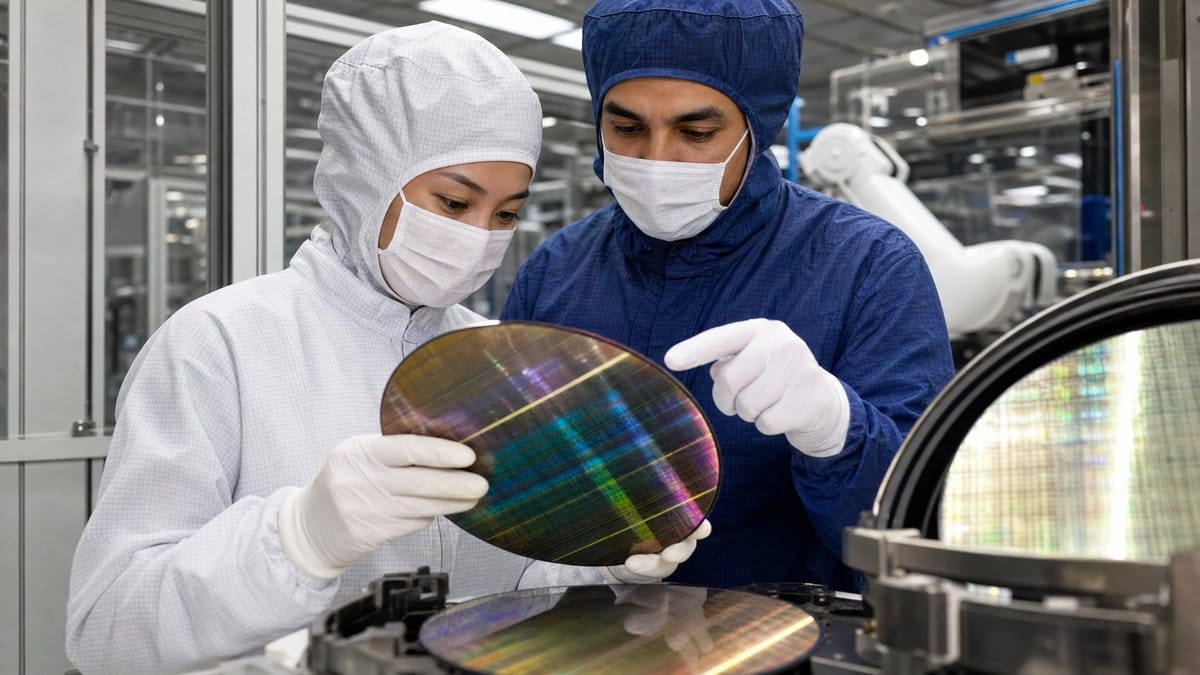
Qualcomm (QCOM): The chip designer jumped 14% after significantly raising its fiscal 2029 non-handset revenue targets to $40 billion, including an ambitious $15 billion target for its data center operations. This strategic pivot demonstrates the company’s successful diversification beyond the mature smartphone market.
Investment implications: Qualcomm’s aggressive push into data centers positions it as a formidable competitor in the high-performance computing space. This expands the investable universe for AI processors beyond the current market leaders, offering alternative vehicles for AI exposure.
Commodity Markets: Crude oil prices extended their decline, with West Texas Intermediate falling over 3% to roughly $70.50 per barrel, effectively erasing the war-related risk premium. The sell-off accelerated following reports that the Strait of Hormuz has reopened and stranded tankers are exiting the waterway.
Investment implications: The sharp drop in energy costs serves as a de facto tax cut for consumers and provides a significant tailwind for transportation, logistics, and energy-intensive industrial sectors. It also bolsters the disinflationary narrative, potentially giving the Federal Reserve more flexibility.
Economic Data & Fed Watch
The macroeconomic backdrop provided a mixed picture of the U.S. economy. New single-family home sales fell 7.3% in May to an annualized rate of 580,000, hitting a four-month low as higher mortgage rates continued to weigh heavily on prospective buyers. Inventory levels have subsequently risen to 10.3 months of supply, the highest since 2009.
In the fixed income markets, U.S. Treasuries staged a powerful rally, particularly at the long end of the curve. The benchmark 10-year yield fell to 4.40%, while the 2-10 year yield curve spread flattened to 25 basis points—its shallowest level since March 2025. This flattening was driven by a combination of plunging crude oil prices lowering inflation expectations and the market digesting the Federal Reserve’s recent hawkish communications.
Investment implications: The bond market is signaling growing confidence that inflation is on a sustainable downward trajectory, but the inverted yield curve continues to flash warning signs about future economic growth. Investors should maintain a balanced portfolio with exposure to high-quality, dividend-paying equities and investment-grade fixed income to navigate this transitional phase.
International Markets
Global equities presented a divergent picture, heavily influenced by the U.S. technology sector’s after-hours resurgence. Asian markets staged a massive rally on Thursday, with Japan’s Nikkei 225 surging 4.4% and South Korea’s KOSPI jumping over 5%. The KOSPI has been the world’s best-performing market this year, up 112% year-to-date, driven largely by heavyweights Samsung Electronics and SK Hynix, the latter of which announced plans for a $29.4 billion secondary listing on the Nasdaq.
European markets were more subdued, with the Stoxx 600 edging up just 0.1%. Germany’s DAX fell 0.74%, weighed down by a nearly 19% plunge in defense contractor Rheinmetall after the German government scrapped a major frigate procurement program.
In currency markets, the U.S. dollar index consolidated near 101.6 after hitting its highest level since May 2025. This sustained dollar strength pushed the Japanese yen to 161.77, dangerously close to a 40-year low, raising the specter of coordinated intervention by the Bank of Japan and other central banks.
Looking Ahead
The primary focus for global markets today is the release of the May Personal Consumption Expenditures (PCE) price index, the Federal Reserve’s preferred inflation gauge. Consensus estimates anticipate the headline index to rise 4.1% year-over-year, with the core reading expected at 3.4%. Any significant deviation from these forecasts will likely trigger substantial volatility across asset classes.
Investors will also parse the final reading of Q1 2026 U.S. Gross Domestic Product, initial jobless claims, and durable goods orders for further clues regarding the health of the economy. On the corporate front, earnings reports from Darden Restaurants and McCormick before the bell will provide crucial insights into consumer spending patterns, while FedEx Freight’s after-hours report will serve as a bellwether for industrial activity and global supply chain health.
Disclaimer: This article is for informational purposes only and should not be considered financial advice. Market conditions can change rapidly, and past performance does not guarantee future results. Always conduct your own research and consider consulting with a qualified financial advisor before making investment decisions.