



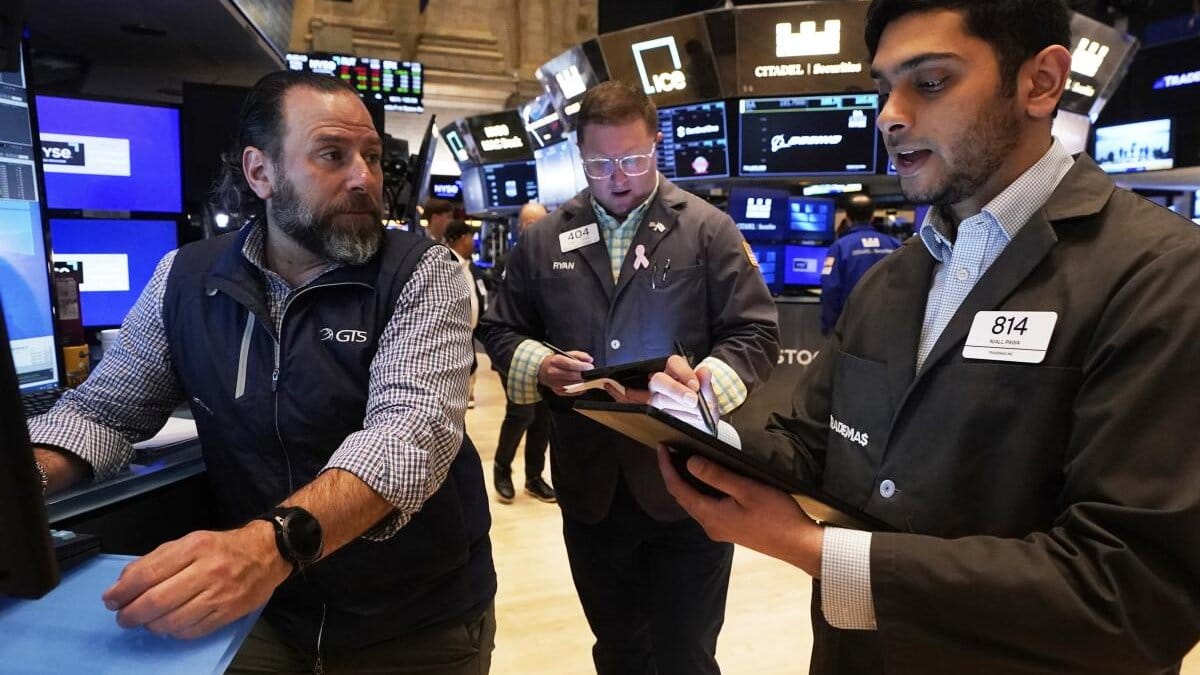
The U.S. stock market opened the second half of the year on a cautious note Wednesday, as investors digested hawkish remarks from Federal Reserve Chair Kevin Warsh. Speaking at the European Central Bank (ECB) Forum on Central Banking in Sintra, Portugal, Warsh signaled a steadfast commitment to taming inflation, pouring cold water on hopes for near-term interest rate cuts.
The major indexes slipped in early trading, pulling back from the record highs that capped off a remarkably strong second quarter. The S&P 500 and Nasdaq Composite had just posted their best quarterly performances since 2020, driven largely by enthusiasm surrounding artificial intelligence and mega-cap tech stocks. However, the shifting narrative on monetary policy has quickly brought inflation concerns back to the forefront.
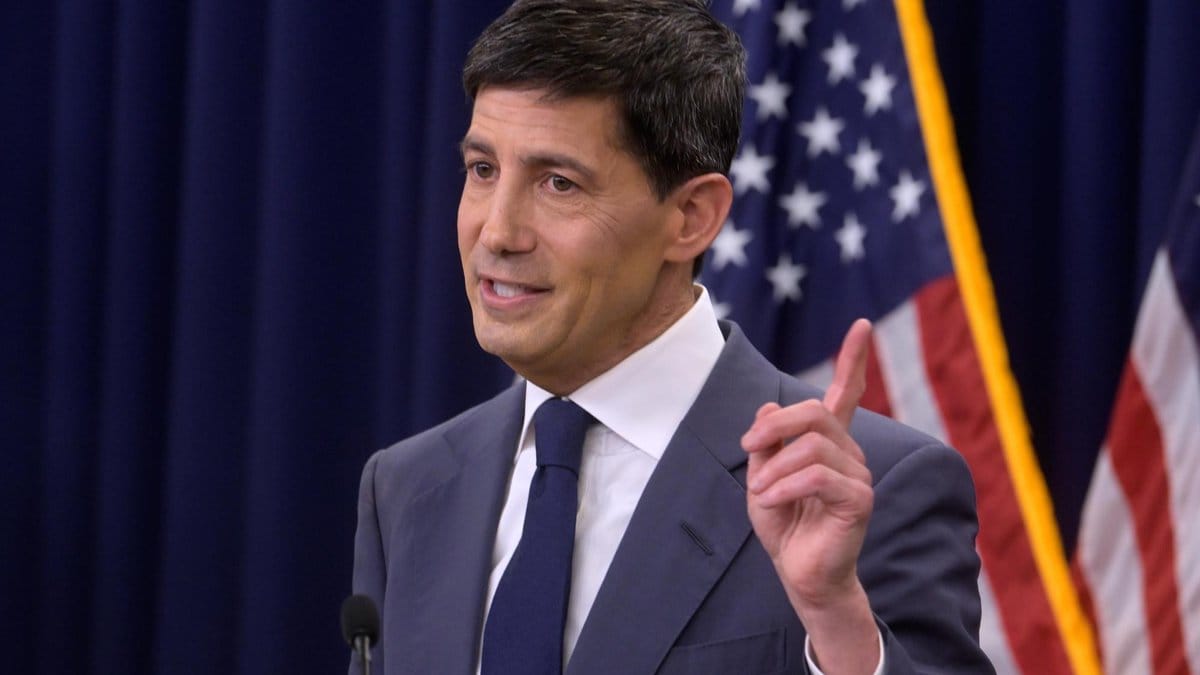
Warsh Draws a Line in the Sand on Inflation
In his first major international appearance since taking the helm at the Federal Reserve in May, Warsh made it clear that the central bank's primary objective remains price stability. Addressing a panel alongside European Central Bank President Christine Lagarde and Bank of England Governor Andrew Bailey, Warsh stated unequivocally that the Fed would not tolerate inflation lingering above its 2% target.
“If there were people in the household or the business sector, in the financial markets, who thought that this central bank was going to be comfortable with an inflation objective above 2%, well, I guess they'd be disappointed,” Warsh remarked. “We're going to deliver price stability in the U.S.”
The latest inflation data underscores the challenge facing the Fed. The preferred gauge, the Personal Consumption Expenditures (PCE) price index, showed core inflation at 3.4% in May, with the headline all-items index even higher at 4.1%. This recent acceleration, driven in part by higher energy prices and geopolitical tensions in the Middle East, has prompted a significant shift in market expectations for the path of interest rates.
Warsh also firmly defended the Federal Reserve's independence from political pressure, pushing back on President Trump's repeated calls for lower borrowing costs. “We've been an independent central bank for a very long time,” he said. “We're going to be an independent central bank at this moment, and you're going to see no changes on that.”
The Rising Probability of a Rate Hike
Earlier this year, markets had priced in multiple rate cuts for 2026. However, the narrative has shifted dramatically. The Fed's latest “dot plot” economic projections, released after the June 16–17 meeting, reveal that 50% of policymakers now anticipate at least one quarter-point rate increase before the end of the year — up from zero in March. About one-third of officials now expect at least two hikes.
Wall Street investors currently expect the Fed could raise its key interest rate as soon as September, from its current level of approximately 3.6% to roughly 3.9%. This hawkish pivot is a crucial development for investors. Historically, the beginning of a new rate-tightening cycle has often coincided with increased market volatility and, in some cases, significant corrections.
| Fed Rate Hike Cycle Start | Max S&P 500 Drop (3 months) | Max Nasdaq Drop (3 months) |
|---|---|---|
| June 1999 | -8% | -7% |
| June 2004 | -7% | -14% |
| December 2015 | -10% | -15% |
| March 2022 | -17% | -22% |
| Average | -10% | -15% |
Source: Federal Reserve, YCharts. Data shows maximum drawdown in the three months following the Fed's first rate increase in a tightening cycle.
What This Means for Your Retirement Portfolio
For investors aged 45 and older who are focused on capital preservation and retirement planning, the current environment demands careful navigation. The combination of historically high stock market valuations — the S&P 500 currently trades at over 20 times forward earnings — and the prospect of higher interest rates creates a scenario where risk management is paramount.
First, it may be prudent to review portfolio allocations. While the AI-driven rally has been lucrative, the concentration of gains in a handful of mega-cap tech stocks has left many portfolios heavily skewed toward growth. Rebalancing towards sectors that traditionally perform better in higher-rate environments — such as value stocks, dividend-paying companies in the financial sector, and certain defensive sectors like utilities and consumer staples — could provide a buffer against volatility.
Second, the rising yield environment makes fixed-income investments more attractive than they have been in years. With the 10-year Treasury yield hovering near 4.50%, bonds and Treasury securities can offer a reliable income stream and act as a stabilizing force in a diversified portfolio. Short-duration bonds, in particular, offer flexibility as the rate environment evolves.
Third, investors should be mindful of the impact of higher rates on their existing debt obligations. Adjustable-rate mortgages and variable-rate loans could become more expensive if the Fed proceeds with rate hikes, affecting household cash flow and, by extension, retirement savings capacity.
Looking Ahead: Data Dependency and the AI Factor
While Warsh maintained a firm stance on inflation, he also acknowledged the potential long-term benefits of the artificial intelligence boom. He noted that the current surge in capital expenditures related to AI could eventually lead to increased productivity and an expansion of the economy's supply side, which would be inherently deflationary. “Right now they're investing in the future because their expectation is the supply side of the economy will expand, and if it does, that has huge implications for monetary policy,” Warsh said.
However, he cautioned that these benefits may take time to materialize. In the near term, the Fed will remain highly data-dependent. The June jobs report, due Thursday, will be closely watched. Economists forecast a solid report showing the unemployment rate remains at a low 4.3%, which would reduce pressure on the Fed to lower borrowing costs and potentially reinforce the case for a rate hike later this year.
As the second half of 2026 unfolds, investors must remain vigilant. The transition from an expectation of rate cuts to the reality of potential rate hikes marks a significant shift in the macroeconomic landscape. By maintaining a diversified portfolio, managing risk, and staying informed about central bank policy, retirement-focused investors can position themselves to weather the potential turbulence ahead. The next FOMC meeting is scheduled for late July — and every data point between now and then will carry added weight.
Disclaimer: This article is for informational purposes only and should not be considered financial advice. Market conditions can change rapidly, and past performance does not guarantee future results. Always conduct your own research and consider consulting with a qualified financial advisor before making investment decisions.