



Precious Metals Overview
Gold and silver enter Monday under renewed pressure as investors weigh inflation against the prospect of higher U.S. interest rates. Platinum and palladium are also trading lower, but their outlook depends more heavily on automotive production and recycling. The immediate challenge is whether financial demand can stabilize before industrial weakness becomes more pronounced.
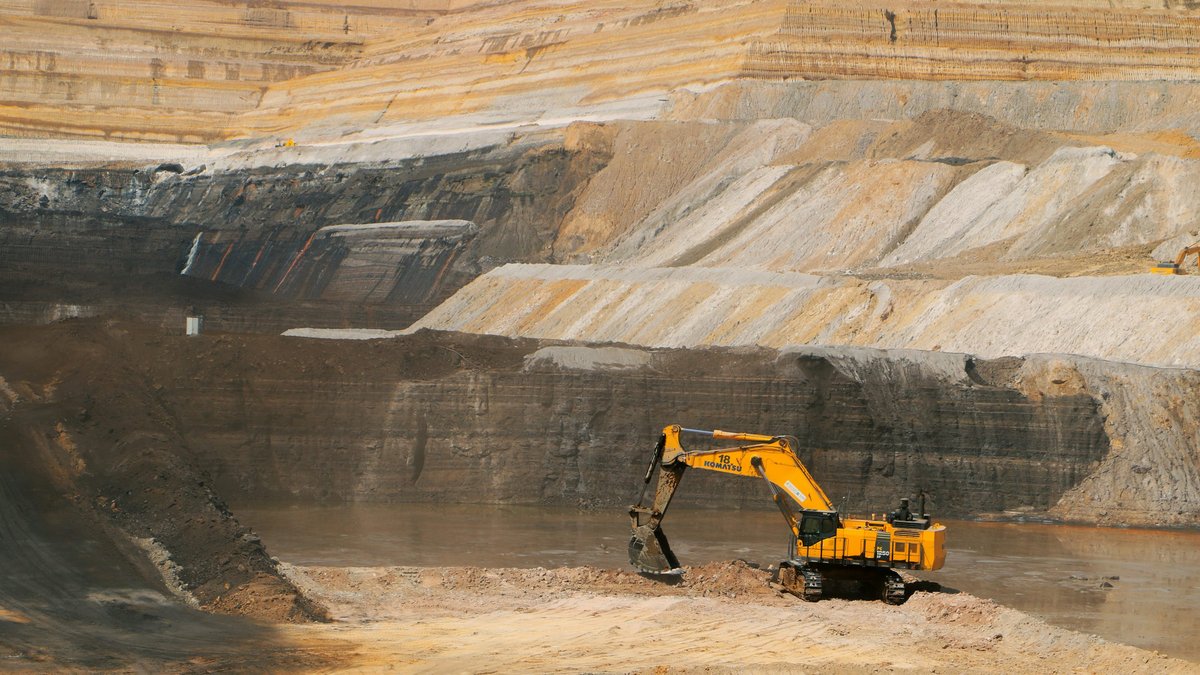
Illustrative mining photograph, not a precious-metals mine identification. Photo: Abdul Basit / Unsplash.
Latest verified snapshot: At 3:05 a.m. EST on November 16, equivalent to 08:05 UTC, Kitco displayed indicative spot bids of $3,856.70 for gold, $47.22 for silver, $1,461.00 for platinum, and $969.00 for palladium, all per troy ounce in U.S. dollars. Its displayed daily changes were respectively -0.69%, -2.90%, -1.75%, and -1.32%. These are provider quotes, not closing prices or retail bullion purchase prices.
Friday’s Reuters report put gold’s weekly decline at approximately 4.5% as of its afternoon observation. An initially encouraging producer-price reading failed to remove tightening concerns. Silver, platinum, and palladium were also heading toward weekly losses.
The distinction matters: rising inflation does not automatically lift precious metals. If investors expect policymakers to respond with higher rates, the opportunity cost of holding non-yielding bullion increases. Bloomberg’s public report summary similarly identified energy-driven inflation and additional Federal Reserve tightening expectations as pressures on gold.
Gold Market Analysis
Gold’s retreat below $3,900 reflects a monetary-policy problem rather than a disappearance of its defensive role. Reuters reported that hotter consumer inflation earlier last week, rising oil prices, and hawkish Federal Reserve signals contributed to Thursday’s approximately 3% selloff. That combination made Friday’s modest rebound vulnerable even before Monday’s renewed weakness.
October producer prices increased 0.3% month over month, versus the 0.4% rise forecast in a Reuters poll. The smaller increase eased some concern about aggressive tightening, but it did not establish a sustained disinflation trend. Gold needs more than one favorable release to overcome persistent bond-market pressure. A stronger dollar would add another headwind by making dollar-priced bullion more expensive for overseas buyers.
Longer-term demand remains more supportive. The World Gold Council estimated third-quarter central-bank and official-institution net purchases at 321 tonnes, up 42% from a year earlier. Only 120 tonnes were officially reported; the rest reflects estimated activity. These quarterly figures demonstrate reserve diversification, not a guarantee of buying at today’s price.
Meanwhile, physically backed gold ETFs attracted $2.7 billion in October, their fourth consecutive month of inflows. Holdings rose to 4,275 tonnes even as falling prices reduced assets under management. Those month-end flows can support the structural case while still coexisting with short-term selling.
Investment implications: Separate a strategic diversification allocation from a tactical rebound bet. Staggered purchases can reduce entry-timing risk, while position limits preserve flexibility if yields rise further. A recovery above $3,900 would improve sentiment, but would not alone confirm a durable reversal. Physical bullion and bullion-backed funds also differ in storage, premiums, fees, and liquidity.
Silver Market Analysis
Silver’s $47.22 indicative bid underscores its dual exposure to monetary conditions and manufacturing. Investment flows can move prices quickly, while industrial use provides a slower demand foundation. Neither side currently supports a simple claim that a supply shortfall must produce an immediate rally.
The Silver Institute’s November 12 update, based on Metals Focus research, forecasts 2026 industrial demand of 640 million ounces, down 3%. Excluding photovoltaics, however, demand is expected to rise 4.5% to 492 million ounces. Automotive electrification, charging infrastructure, and other applications remain supportive. Solar manufacturers’ reduced silver usage and substitution, alongside weaker installations, offset that growth.
Investment demand is less reassuring. Bar-and-coin demand is forecast to fall 2% to 215 million ounces. Silver exchange-traded-product holdings stood at 1.25 billion ounces on November 3, down 4% year to date. The forecast 35-million-ounce physical deficit therefore should not be confused with tightening across every market channel: fund selling can release metal and ease liquidity.
Investment implications: Silver warrants smaller exposure than its bullish industrial narrative might suggest. A recovery would be more convincing alongside renewed fund inflows and improving manufacturing conditions. Kitco’s Metals Focus interview also highlights a potentially improving market balance. Investors should distinguish bullion exposure from mining equities, which add operating and financing risks.
Platinum & Palladium Update

Illustrative automotive production photograph. Photo: Hyundai Motor Group / Pexels.
At $1,461 for platinum and $969 for palladium, investors face distinct supply balances behind a shared automotive exposure. Both metals serve emissions-control systems; battery-electric vehicles reduce that requirement, while hybrids retain catalysts. The mix of vehicle sales matters more than headline unit growth alone.
The latest World Platinum Investment Council quarterly forecast, published September 9, projects a 265,000-ounce platinum surplus for 2026, not the earlier deficit. Automotive demand is forecast to decline 4% to 2.904 million ounces. Nevertheless, projected year-end inventories cover only 3.4 months of demand, leaving limited protection against supply disruption.
WPIC’s separate June palladium outlook forecasts a modest 91,000-ounce deficit this year and a surplus from 2027. That older forecast remains provisional. Recycling of palladium-rich vehicles and substitution between the two metals can change relative pricing. Investors should watch automotive production and WPIC’s November 18 platinum update rather than assume both markets share the same scarcity story.
Mining Stocks & ETFs
Mining equities amplified the downturn. Using Yahoo Finance regular-session closes from November 6 to November 13, Newmont (NEM) fell 6.43%, Barrick Mining (B) lost 7.32%, Agnico Eagle (AEM) declined 6.85%, and Pan American Silver (PAAS) dropped 8.91%. These are weekly share-price returns, excluding dividends, from one data provider.
The VanEck Gold Miners ETF (GDX) fell 6.80%, versus 4.58% for SPDR Gold Shares (GLD). The iShares Silver Trust (SLV) lost 5.85% over the same closing-price window. Comparing identical dates avoids mixing Monday spot indications with Friday equity closes.
Operating fundamentals still matter. Barrick’s third-quarter release reported higher gold sustaining costs, including pressure from fuel, consumables, royalties, and capital spending. Pan American reduced annual gold-output guidance to 660,000–680,000 ounces. Those disclosures illustrate company-specific risks; they do not establish a single cause for last week’s share-price losses.
Investment implications: Bullion-backed vehicles such as GLD and SLV provide metal exposure, less expenses; GDX provides ownership in mining businesses. Falling metal prices and higher costs can compress miners’ margins simultaneously. Diversified funds reduce single-company exposure but cannot eliminate sector drawdowns. Compare balance-sheet strength, production reliability, and capital requirements before treating a sharp decline as a bargain. Avoid leverage when both commodity prices and operating costs are moving against producers.
Disclaimer: This analysis is for informational and educational purposes only and should not be considered financial advice. Precious metals investments carry significant price volatility and market risks. Always conduct your own research and consult with a qualified financial advisor before making investment decisions.