



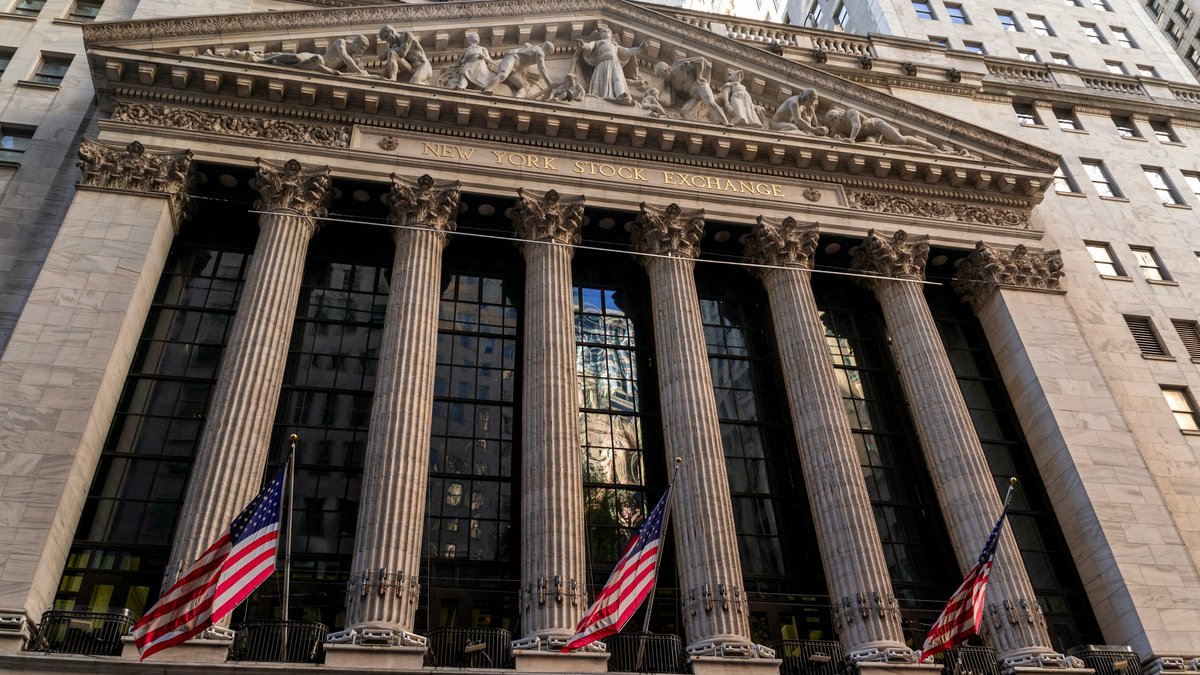
Photo: David Vives / Unsplash
Market Overview
As of about 4:00 a.m. Eastern on Friday, November 20, U.S. stocks are on the defensive after a sharp reversal in the previous session. On Thursday, November 19, the S&P 500 fell 2.02% to 7,175.83, its sixth consecutive decline. The Dow Jones Industrial Average lost 1,101.11 points, or 2.19%, to 49,097.06, closing below 50,000 for the first time since June. The Nasdaq Composite slipped 2.25% to 23,879.20, while the small-cap Russell 2000 dropped 2.18% to 2,655.11. These figures are Thursday’s cash-market closes, not Friday trading results. (Reuters; Yahoo Finance/AP)
Anthropic’s strong opening following its record initial public offering did not sustain the morning rally. The Nasdaq had been up more than 2% before reversing, underscoring how quickly sentiment can change when investors are already questioning artificial-intelligence valuations and spending. The Cboe Volatility Index ended Thursday at 28.44, reflecting elevated demand for protection against swings.
The selling was broad rather than confined to one chipmaker. Reuters reported that the S&P technology sector fell 1.9% and the Philadelphia Semiconductor Index lost 2.4%; declining shares outnumbered gainers by more than four to one on the NYSE. All 11 S&P sectors ended lower, according to The Wall Street Journal. Risk appetite remains fragile as investors weigh corporate spending, inflation and the prospect of tighter monetary policy.
Top Market Movers
Anthropic’s debut
Anthropic closed its first trading day at $97.17, up 17.1% from its $83 offering price, but below its $111.50 opening trade. The record IPO briefly lifted hopes for AI shares before the wider rally faded. (WSJ)
Investment implications: One strong IPO does not guarantee an AI-sector recovery. Watch subsequent trading and funding needs.
AMD faces scrutiny
AMD fell 7.72% to $489.19 after a Hunterbrook report raised China-related concerns. Its affiliated fund disclosed a short position; AMD said the claims misrepresented its practices, and Reuters could not independently verify them. (CNBC; Reuters)
Investment implications: Allegations are not findings of wrongdoing. Evaluate export-control exposure and position concentration as evidence emerges.
Nvidia extends its slide
Nvidia declined 3.30% to $145.98, its sixth straight losing session, despite a strong revenue forecast. Later, California’s attorney general announced an investigative subpoena concerning possible chip or information transfers and investor disclosures. (Reuters; California DOJ)
Investment implications: An investigation is not a finding of liability. Earnings strength and governance uncertainty can simultaneously influence valuation.
Palo Alto Networks bucks the decline
Palo Alto Networks gained 6.42% to $361.73 after the cybersecurity company raised its fiscal 2027 revenue outlook to $14.52 billion–$14.57 billion. (Company results)
Investment implications: Company-specific guidance can matter during a selloff, but stronger forecasts do not eliminate valuation or execution risks.
Walmart’s outlook disappoints
Walmart slipped 1.04% to $126.04 after forecasting annual sales below expectations. (Reuters; Yahoo Finance)
Investment implications: Follow the gap between sales growth and expectations, not revenue growth alone; margins and consumer demand can diverge across retailers.

Photo: Jakub Żerdzicki / Unsplash
Economic Data & Fed Watch
The inflation picture remains central to the policy debate. The Bureau of Labor Statistics reported that October consumer prices rose 0.4% from September, while the measure excluding food and energy rose 0.3%. The agency could not publish most October year-over-year comparisons because the prior-year data were missing during a funding lapse. Those monthly figures should not be mistaken for annual inflation rates.
Labor data suggest limited layoffs but challenges for people already out of work. Initial unemployment claims rose by 1,000 to 203,000 in the week ended November 14. Continuing claims rose to 1.763 million for the earlier week ended November 7. October payrolls increased by 165,000 and unemployment was 4.1%. (Reuters)
At its October meeting, the Federal Reserve held its target range at 3.75%–4.00%. Minutes released Wednesday showed that almost all participants saw further increases as likely under their baseline outlooks; a couple discussed considering more than a quarter-point hike if inflation data warranted it. This was not a decision about December.
In Friday’s Asian session, Reuters put the 10-year Treasury yield near 5.02% and the dollar index near 103.9, close to a 19-month high. Haven demand supported bonds and the dollar despite concerns about further tightening. (Reuters currency report)
Investment implications: Higher policy expectations can pressure borrowing costs and growth-stock valuations, while risk aversion can temporarily lower Treasury yields. Distinguishing those forces matters when assessing both bonds and equities.
International Markets
The U.S. selloff spread through Asian technology markets on Friday. Japan’s Nikkei 225 closed down 5.0%, and South Korea’s Kospi lost 5.2%, according to Reuters. Japan’s October core inflation accelerated to 2.2% year over year, strengthening expectations of a Bank of Japan rate increase. Japan’s core measure excludes fresh food, unlike the U.S. core CPI measure.
In early European trading, the STOXX 600 was down 1.0% at 08:05 UTC, with semiconductor shares under pressure; that was an intraday snapshot, not the day’s close. Britain’s October retail sales volumes rose 0.7% from September, beating expectations for no change. (Reuters Europe; Reuters U.K.)
Currency moves add another layer of risk for global portfolios. Reuters reported the yen around 159.13 per dollar during Asian trading, while South Africa’s rand was near a one-year low against the dollar. Emerging-market outcomes differ: India’s rupee benefited from equity inflows, illustrating why a broad regional label can obscure local drivers. (Reuters rand; Reuters rupee)
Looking Ahead
Friday’s immediate calendar includes the final November University of Michigan consumer sentiment reading at 10:00 a.m. Eastern and a speech by Fed Governor Christopher Waller. BJ’s Wholesale Club is scheduled to report quarterly results before the U.S. open. None of those results was available at this report’s early-morning cutoff. (MarketWatch calendar; BJ’s announcement)
On Wednesday, November 25, the Bureau of Economic Analysis is scheduled to publish the second estimate of third-quarter GDP and October personal income and outlays, including the Fed’s preferred personal-consumption-expenditures inflation gauge. Investors will compare the new figures with the existing data; neither release should be treated as known in advance.
Best Buy and Dell have earnings calls scheduled for November 24, adding consumer and technology-spending context. The next Fed meeting is December 8–9. U.S. stock markets are closed for Thanksgiving on November 26 and close early the following day, a schedule that can affect liquidity. (Fed calendar; NYSE schedule)
In the nearer term, watch whether Friday’s market breadth improves alongside any rebound. A higher index led by only a few large shares would tell a different story from broad participation across sectors and smaller companies.
Disclaimer: This analysis is for informational and educational purposes only and should not be considered financial advice. Market conditions can change rapidly, and past performance does not guarantee future results. Always conduct your own research and consult with a qualified financial advisor before making investment decisions.