



Stock Introduction & Thesis
NVIDIA Corporation (NASDAQ: NVDA) is growing as the world builds AI infrastructure. Yet the investment case is more complicated than its headline earnings suggest. Customer concentration, large financing commitments and governance questions mean that investors must assess not only how fast NVIDIA sells its systems, but also how reliably that demand converts into cash.
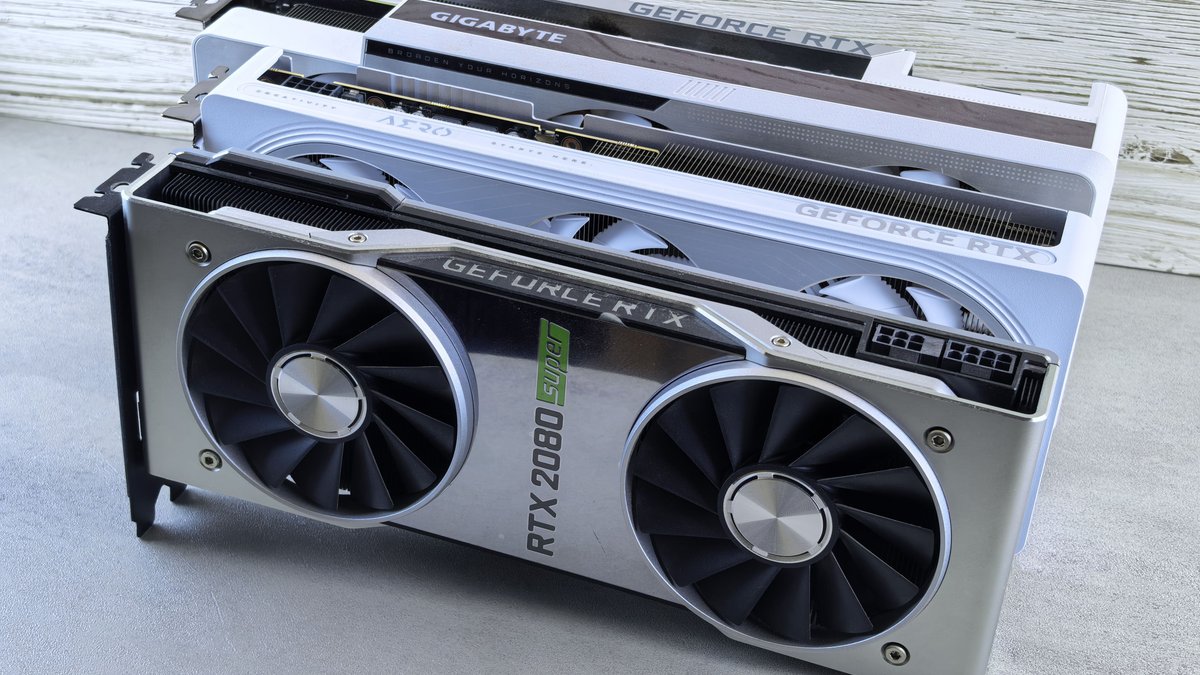
Photo: Andrey Matveev / Pexels. These are GeForce graphics cards, not the data-center systems discussed below.
NVIDIA designs graphics processors, high-speed networking equipment and complete computing systems. Its CUDA software ecosystem helps developers run demanding workloads on those products. Customers include cloud providers, AI developers and enterprises that buy hardware and related platforms to train and deploy models. This combination of hardware, software and established developer tools can make switching to another supplier difficult.
The stock closed at $165.05 on November 23, up 31.48% for the session after the company reinstated co-founder Jensen Huang as chief executive, according to Reuters and Stock Analysis. That rebound followed a period of intense uncertainty around his departure.
The thesis rests on whether the newest generation of AI systems can sustain demand and high margins while customers finance their expansions. A strong franchise can still disappoint shareholders if collections slow, competition improves or growth assumptions prove too optimistic. Financial and valuation figures below are in U.S. dollars and reflect information available on November 24.
Recent Developments & Catalysts
In its November 17 earnings release, NVIDIA reported fiscal 2027 third-quarter revenue of $115.8 billion, up 103% from a year earlier. GAAP net income reached $65.3 billion, or $2.70 per diluted share; adjusted, non-GAAP earnings were $2.68 per share. The quarter ended October 25, 2026.
Data Center revenue was $107.6 billion, up 110% year over year and roughly 93% of total sales. NVIDIA says its Vera Rubin systems are ramping rapidly, with systems available or being deployed through major cloud partners. The scale of this business offers a direct measure of infrastructure demand, but also leaves the company exposed if a small group of large buyers slows spending.
For fiscal fourth-quarter 2027, management forecasts revenue of $130 billion, plus or minus 3%, or approximately $126.1 billion to $133.9 billion. That forecast assumes no Data Center compute revenue from China. The quarter includes an additional week, so investors should be cautious about interpreting sequential growth as a pure demand acceleration.
The company also expects a 71%–72% gross margin, compared with 74.8% GAAP in the third quarter. Investors should watch whether the initial rollout of Rubin and future product mix keep pressure on margins even as revenue expands. Guidance is management’s forecast, not a guarantee of results.
Investment implications: Near-term evidence will come from Rubin deployments, repeat orders and the next earnings update. Strong sales would support the thesis, but a longer quarter and lower forecast margins mean revenue growth alone will not tell the whole story for investors over the next several reporting periods.
Financial Analysis
For the first nine months of fiscal 2027, revenue increased to $293.7 billion from $147.8 billion a year earlier. GAAP net income rose to $183.3 billion from $77.1 billion. For context, fiscal 2026 revenue totaled $215.9 billion and diluted GAAP earnings were $4.90 per share. These figures show how quickly the business has expanded, though past growth is not a forecast.
Profit quality deserves attention. The first nine months included $25.5 billion in pretax net gains on equity securities. Those gains lifted reported results but are not the same as recurring profit from selling chips. Quarterly operating cash flow was $48.3 billion, versus $65.3 billion in GAAP net income. NVIDIA-defined free cash flow was $43.8 billion after eligible equipment and intangible purchases and related principal payments.
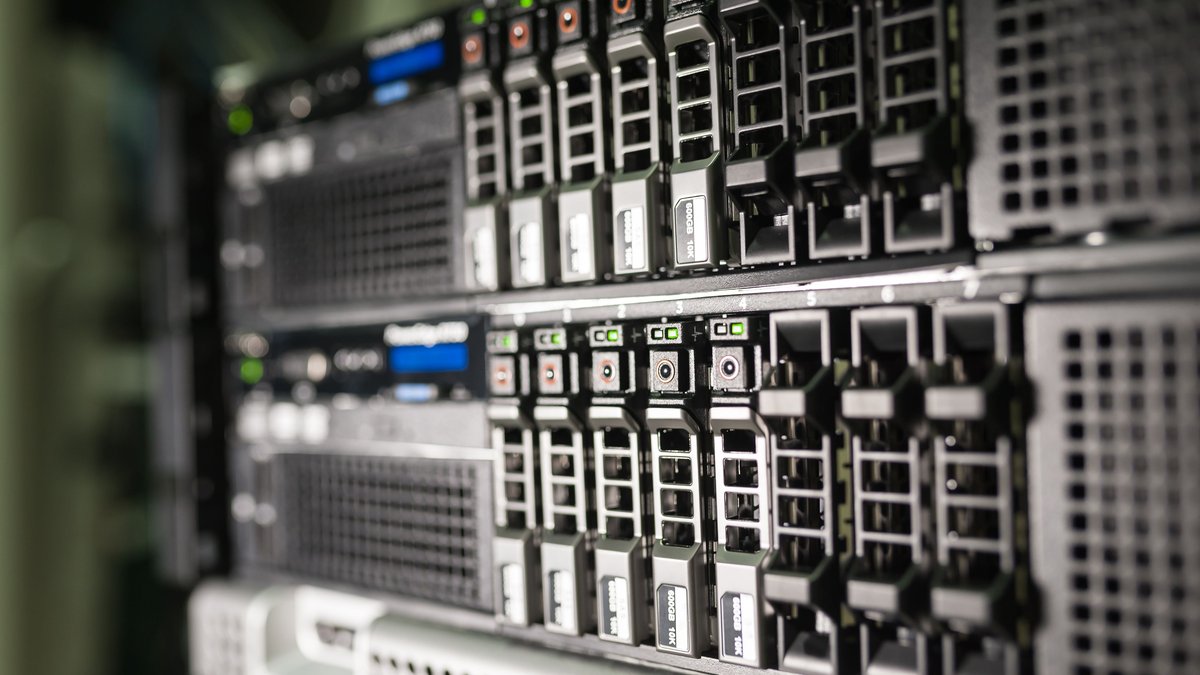
Photo: panumas nikhomkhai / Pexels. The photograph illustrates general data-center infrastructure.
Receivables reached $81.0 billion at quarter-end, with days sales outstanding rising to 64 from 60 in the preceding quarter. In its CFO commentary, NVIDIA attributed the increase partly to shipment timing and extended terms for certain large, investment-grade customers. Inventories rose to $39.7 billion from $31.6 billion as the company prepared for the Rubin ramp.
At October 25, cash and cash equivalents were $29.1 billion, marketable debt securities were $24.4 billion and long-term debt was $32.4 billion. Excluding equity investments and leases, cash plus those securities exceeded debt by approximately $21.1 billion.
Investment implications: Cash generation and liquidity are substantial, but investors should follow collections, inventory and investment gains separately from reported earnings. Faster revenue growth is more valuable when it translates into durable operating cash flow without a disproportionate buildup of working capital.
Valuation & Competitive Position
At the November 23 closing price of $165.05, NVIDIA traded at approximately 17.73 times trailing diluted GAAP earnings of $9.31 per share, as shown by Stock Analysis. That multiple incorporates investment gains and should not be mistaken for a pure operating-earnings multiple. The same provider displayed a PEG ratio of 0.23 on November 24; its growth period and calculation were not independently verified, so the figure is a rough vendor estimate rather than proof the stock is cheap.
For context, MarketBeat reported a $263.11 average 12-month analyst target, with a $170 to $515 range, based on targets available through November 23. Some estimates may predate recent events, and targets can change without warning.
Illustrative fiscal 2028 adjusted earnings of $12, $15 and $18 per share, multiplied by 10, 14 and 18 respectively, produce hypothetical values of $120, $210 and $324. These are sensitivity examples, not forecasts or independently derived price targets; actual earnings and market multiples could fall outside the range.
NVIDIA’s software and installed base strengthen its position, but the advantage can narrow. Reuters reported that Amazon is making it easier to run popular AI code on its Trainium chips. AMD and other custom accelerators also compete for workloads.
Investment implications: The valuation is sensitive to both sustainable earnings and the price investors pay for them. A low-looking PEG or a bullish analyst target cannot remove execution and competition risk.
Risks & Outlook
NVIDIA disclosed $518 billion of future commitments across supply, infrastructure and investments, alongside a separate $118 billion of maximum gross guarantees. These are multiyear commitments and contingent exposures, not immediate cash losses or amounts that should simply be added to debt. Still, they increase exposure to suppliers, customer financing and data-center utilization. The company said no guarantee payments had been made as of the latest disclosure.
Governance and regulation are additional risks. The board said its independent investigation would continue after Huang’s return. Reuters reported that SEC staff were examining possible accounting issues; an inquiry does not establish wrongdoing. Export restrictions and customer concentration may also limit future growth.
The bullish case is that Rubin deployments produce profitable repeat business and strong collections. The bearish case is that customers slow investment, alternatives gain traction or guarantees and working capital consume more cash than expected. Watch gross margin, receivables, cash conversion and the details of future filings rather than relying on a single quarter’s headline growth.
Disclaimer: This analysis is for informational and educational purposes only and should not be considered financial advice. Individual stock investments carry significant risks including company-specific and market risks. Always conduct your own research and consult with a qualified financial advisor before making investment decisions.