




Tech Week in Review
The technology sector experienced significant volatility this week, with the Nasdaq Composite and S&P 500 ending lower amid renewed concerns over artificial intelligence growth and broader market jitters. The tech-heavy Nasdaq dropped 0.90%, while the S&P 500 fell 0.49%, reflecting a cautious stance from investors ahead of a massive week for big tech earnings. A major catalyst for the slide was a report indicating that OpenAI, a central figure in the AI boom, missed key revenue and user targets for 2025. This news sent ripples through the market, causing shares of OpenAI-linked companies and partners, including SoftBank, Oracle, and Microsoft, to slump. Despite these short-term fluctuations, the longer-term bullish trend for the tech sector remains largely intact, supported by ongoing investments in AI infrastructure and semiconductor advancements.
While the broader tech indices faced headwinds, the semiconductor industry continued to show remarkable strength. Nvidia, the poster child of the AI hardware revolution, saw its stock close at a record high, pushing its market capitalization past the staggering $5 trillion mark. This surge underscores the relentless demand for AI chips and the market’s belief in the foundational role of hardware in the AI ecosystem. However, the contrast between the soaring semiconductor stocks and the faltering software and AI-service companies highlights a growing divergence in the tech sector. Investors are increasingly scrutinizing the monetization and actual revenue generation of AI applications, demanding tangible results to justify the massive capital expenditures seen across the industry.
Big Tech & AI Developments
This week is poised to be a make-or-break moment for the tech rally, with five of the “Magnificent Seven” companies—Microsoft, Alphabet, Amazon, Meta, and Apple—scheduled to report their quarterly earnings. The stakes are incredibly high, as these tech giants collectively drive a significant portion of the U.S. economy and market performance. Microsoft, Alphabet, Amazon, and Meta will release their results on Wednesday, April 29, followed by Apple on Thursday, April 30. Analysts are keenly focused on cloud computing growth, particularly the performance of Amazon Web Services (AWS), Google Cloud, and Microsoft Azure, as these platforms are the primary engines for AI deployment and monetization.
A central theme across these earnings reports will be the balance between massive AI investments and profitability. Meta and Microsoft have already signaled workforce reductions to help offset the impact of their escalating AI spending, a move that initially sent their stocks lower. Investors will be looking for clear evidence that these multi-billion-dollar capital expenditures are translating into sustainable revenue streams. Furthermore, the tech world is closely watching Apple as it navigates a significant leadership transition. With Tim Cook set to step down as CEO in September 2026, hardware engineering chief John Ternus will take the helm. Ternus faces the challenge of steering Apple through the age of AI, revitalizing growth in key markets like China, and maintaining the company’s impressive profit margins amidst rising component costs.
Investment implications: The upcoming earnings reports from mega-cap tech companies will likely set the tone for the broader market in the near term. Investors should brace for potential volatility and closely monitor commentary regarding AI capital expenditures and cloud revenue growth. A strong showing in AI monetization could reignite the tech rally, while disappointing results or cautious guidance might lead to a broader market pullback. The leadership change at Apple also introduces a new variable for long-term investors to consider.
Emerging Tech Trends
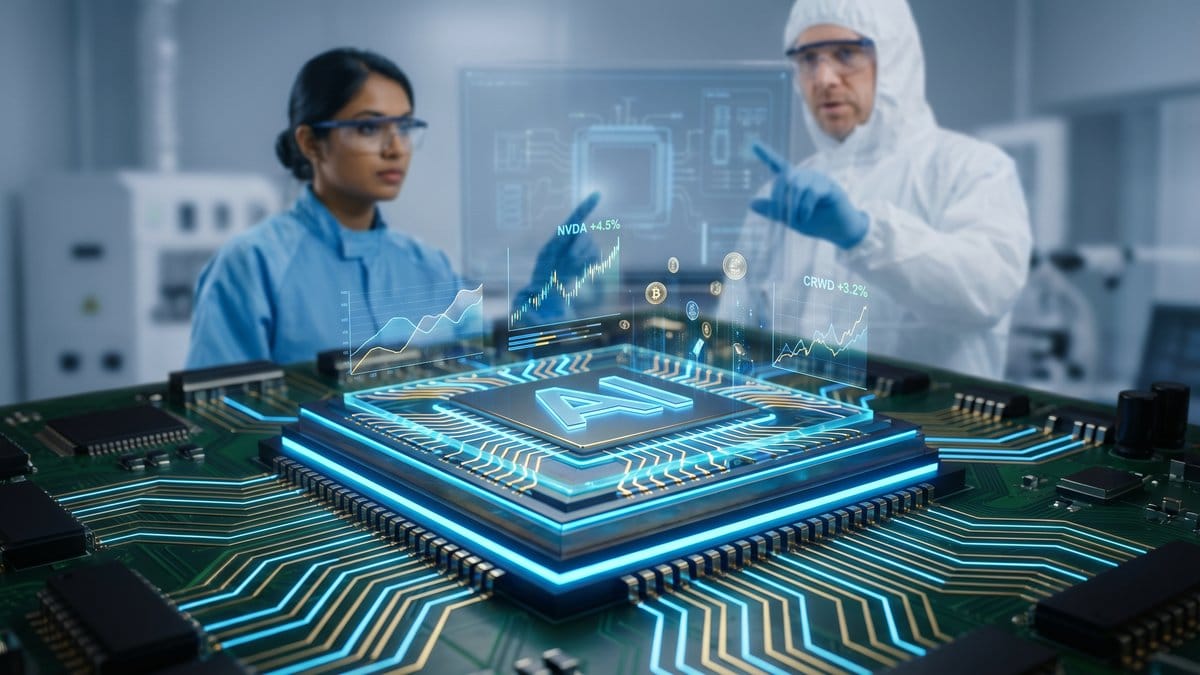
Beyond the headline-grabbing AI developments, several emerging technology sectors are demonstrating robust growth and innovation. The cybersecurity landscape continues to expand rapidly, driven by the increasing complexity of digital threats and the integration of AI into security protocols. Companies like CrowdStrike are reporting significant returns on investment for their cloud security platforms, with global spending on security products projected to exceed $520 billion in 2026. This sector remains a critical area of focus for enterprises seeking to protect their expanding digital footprints and AI-driven operations.
In the realm of connectivity and infrastructure, the rollout of 5G and the proliferation of the Internet of Things (IoT) are accelerating. Telecommunications giants like Verizon are preparing for a “big AI summer,” unveiling new AI tech stacks to optimize network performance and drive enterprise solutions. Furthermore, the semiconductor industry is witnessing advancements beyond just GPUs. Companies like Cadence are collaborating with foundries like TSMC to leverage agentic AI in chip design, aiming to boost productivity and overcome the complexities of next-generation silicon and 3D-IC development. These foundational technologies are essential for supporting the massive data processing requirements of the AI era.
Investment implications: While AI remains the dominant narrative, investors should not overlook the critical supporting sectors such as cybersecurity, 5G infrastructure, and advanced semiconductor design tools. These areas offer compelling growth opportunities as they provide the necessary foundation for the broader digital transformation. Diversifying tech portfolios to include leaders in these emerging trends can help mitigate risks associated with the highly concentrated mega-cap tech stocks.
Tech Stock Spotlight
Nvidia (NVDA): Nvidia continues to defy gravity, recently crossing the $5 trillion market capitalization threshold. The company’s GPUs remain the undisputed gold standard for training and running complex AI models. The recent surge in its stock price was fueled by continued momentum in AI infrastructure buildouts and strong demand across cloud service providers and enterprises. While concerns about valuation and potential competition persist, Nvidia’s near-monopoly in the high-end AI chip market and its aggressive product roadmap make it a formidable force. Investors must weigh the company’s exceptional growth prospects against the inherent risks of its lofty valuation and the cyclical nature of the semiconductor industry.
CrowdStrike (CRWD): In the rapidly expanding cybersecurity sector, CrowdStrike stands out as a premier player. The company’s AI-native Falcon platform has become essential for organizations seeking comprehensive endpoint and cloud security. Recent studies highlighting the significant return on investment and productivity gains delivered by CrowdStrike’s solutions underscore its strong value proposition. With an estimated total addressable market of roughly $149 billion in 2026, CrowdStrike is well-positioned to capture further market share. The company’s ability to consistently innovate and expand its product offerings makes it a compelling long-term investment in the critical cybersecurity space.
Investment implications: Nvidia represents a high-reward, high-risk play on the AI hardware boom, suitable for investors with a strong stomach for volatility and a belief in the sustained growth of AI infrastructure. CrowdStrike offers a more defensive, yet still high-growth, opportunity in the essential cybersecurity market, appealing to those looking to capitalize on the increasing need for digital protection in an AI-driven world.
Week Ahead for Tech
The upcoming week is arguably the most critical period for the technology sector this quarter. The earnings calendar is dominated by the “Magnificent Seven,” with Microsoft, Alphabet, Amazon, and Meta reporting on Wednesday, April 29, followed by Apple on Thursday, April 30. These reports will provide crucial insights into the health of the digital economy, the pace of cloud computing adoption, and the tangible financial impact of the AI revolution. Analysts will be scrutinizing every metric, from AWS and Azure growth rates to Meta’s advertising revenue and Apple’s iPhone sales in China.
Beyond earnings, the tech industry is also gearing up for a series of significant conferences and events in May. These gatherings, such as the Annual Brooklyn Tech Expo on May 12 and TechCon SoCal on May 22–23 in San Diego, will serve as platforms for showcasing the latest innovations in AI, cybersecurity, and enterprise software. The announcements and product reveals at these events will likely shape the technological narrative and influence investor sentiment in the months to come. As the tech sector navigates this pivotal week, market participants must remain agile and responsive to the influx of new data and strategic insights.
Disclaimer: This analysis is for informational and educational purposes only and should not be considered financial advice. Technology sector investments carry significant risks including rapid technological change, intense competition, and regulatory uncertainty. Always conduct your own research and consult with a qualified financial advisor before making investment decisions.
