



U.S. equity markets delivered a mixed but broadly positive session on Tuesday, May 26, 2026, as Wall Street returned from the Memorial Day holiday to find a powerful semiconductor-led rally driving the S&P 500 and Nasdaq Composite to fresh all-time highs. The session was dominated by an extraordinary surge in Micron Technology, which crossed the $1 trillion market capitalization threshold for the first time, while ongoing diplomatic developments surrounding the U.S.-Iran conflict continued to shape investor sentiment across asset classes.
Market Overview
The S&P 500 gained 0.61% to close at a record 7,519.12, notching its latest all-time high as technology and semiconductor stocks drove broad-based gains. The Nasdaq Composite surged 1.19% to a record close of 26,656.18, led by explosive moves in chip-related names. The Dow Jones Industrial Average, however, dipped 118.02 points (0.23%) to 50,461.68, weighed down by energy sector weakness and rotation away from value names. The Russell 2000 small-cap index also reached an intraday all-time high, reflecting broad market participation beyond large-cap technology.
The session's defining theme was the intersection of artificial intelligence-driven demand for memory chips and cautious optimism around a potential U.S.-Iran diplomatic resolution. President Trump stated that negotiations were “moving along well,” though U.S. military forces conducted what the Pentagon described as “self-defense” strikes in southern Iran, targeting missile launch sites and boats placing mines in the Strait of Hormuz. Despite this continued military activity, equity markets largely shrugged off the geopolitical risk, focusing instead on the prospect of lower oil prices and easing inflationary pressures should a deal materialize.
Sector performance was led decisively by Technology (XLK), which hit a record high alongside the PHLX Semiconductor Index (SOX). Energy stocks lagged as crude oil prices fell sharply. Consumer Discretionary names tied to travel and leisure, including airlines and cruise lines, rallied on Iran deal optimism.
Top Market Movers
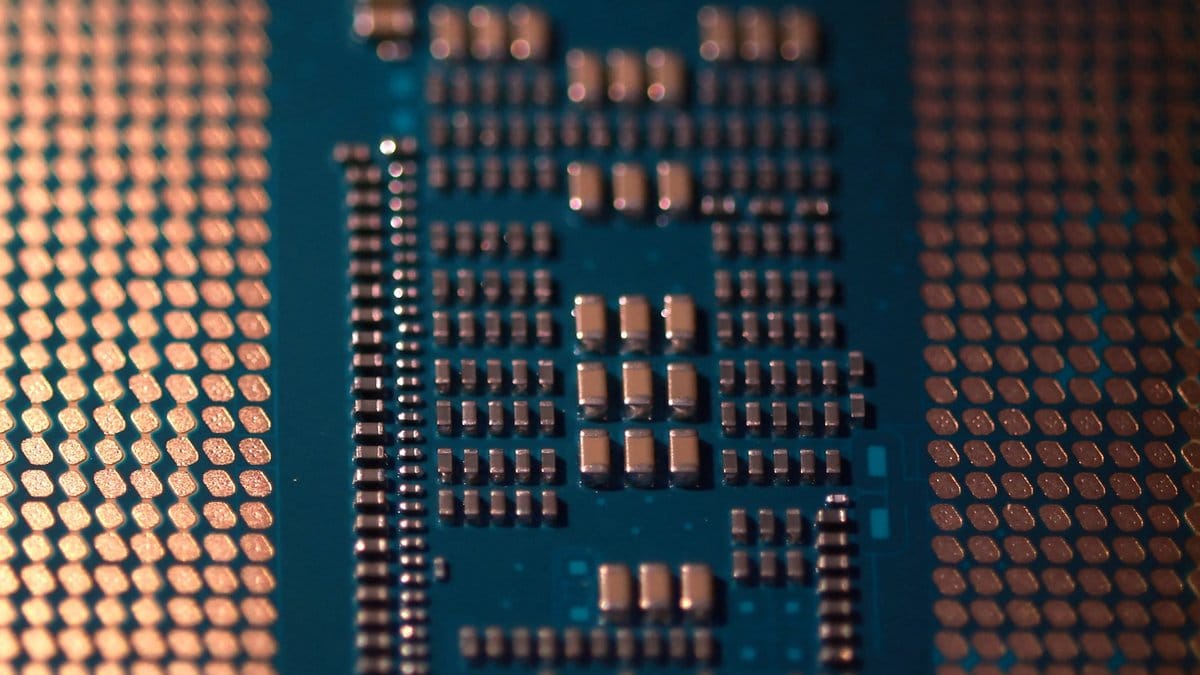
Micron Technology (MU) — +19.3% to $895.88: Micron delivered the session's most dramatic move, surging nearly 20% after UBS analyst Timothy Arcuri raised his 12-month price target to a Street-high $1,625 from $535, arguing that AI has fundamentally transformed the memory chip market. The rally pushed Micron's market capitalization above $1 trillion for the first time, making it the 11th-largest U.S. public company and the latest entrant into the exclusive trillion-dollar club alongside Nvidia, Apple, and Microsoft. Micron has now tripled in value year-to-date, adding approximately $650 billion in market capitalization since its March lows — a gain that rivals Amazon's appreciation over the same period despite starting from a much smaller base.
Investment implications: The Micron milestone underscores the market's conviction that AI-driven demand for high-bandwidth memory (HBM) represents a multi-year secular growth cycle. Investors with exposure to the semiconductor supply chain — including equipment makers, foundries, and memory suppliers — may benefit from continued AI infrastructure buildout. However, the stock's rapid appreciation also warrants attention to valuation risk should AI spending growth decelerate.
Space and Aerospace Stocks — Redwire (RDW) +26%, Rocket Lab (RKLB) +double digits: Space-related equities extended their rally as the anticipated SpaceX IPO, filed the prior week, continued to generate sector enthusiasm. Redwire surged on news it had delivered its MANUS robotic arm prototype to the European Space Agency and secured a $15 million U.S. Army contract for drone systems. Redwire shares have now gained more than 90% in May alone.
Investment implications: The SpaceX IPO pipeline is catalyzing a re-rating of the entire commercial space sector. Investors should evaluate exposure to launch services, satellite infrastructure, and defense-adjacent aerospace companies, while remaining mindful that many names in this sector carry elevated valuations relative to near-term revenue.
Airlines and Cruise Lines — United Airlines +6%, Norwegian Cruise Line +4.9%: Travel and leisure stocks rallied sharply on hopes that a U.S.-Iran deal could reopen the Strait of Hormuz and normalize global oil supply, which would translate directly into lower jet fuel and bunker fuel costs. The sector has been one of the most sensitive to the Iran conflict given its direct exposure to energy input costs.
Investment implications: A sustained decline in oil prices would provide meaningful margin relief for airlines and cruise operators. However, analysts caution that even if a deal is reached, the “Hormuz Hangover” — the process of clearing approximately 1,500 ships from the Persian Gulf and rebuilding global energy inventories — could stretch well into 2027, meaning fuel cost relief may be gradual rather than immediate.
Oil Prices — WTI -2.8% to $93.89, Brent +3.5% to $96.67: Oil markets remained volatile amid conflicting signals on the Iran conflict. WTI crude settled lower as peace deal optimism outweighed the day's military activity, while Brent recovered some of its prior session's sharp losses. Oil has been the central variable in financial markets since the U.S. and Israel attacked Iran in late February, with the closure of the Strait of Hormuz disrupting global energy flows and driving persistent inflationary pressure.
Investment implications: Energy sector investors face a complex environment where geopolitical risk premiums remain elevated but deal-driven downside scenarios are increasingly priced in. Diversified energy exposure and hedging strategies may be prudent given the binary nature of the Iran situation.
Economic Data & Fed Watch
The Conference Board's Consumer Confidence Index for May edged down 0.7 points to 93.1, slightly better than the 92.5 consensus estimate but below April's 93.8 reading. The decline was attributed primarily to inflation concerns stemming from the Iran war's impact on energy prices. Consumers' assessments of current business and labor market conditions fell 3.2 points to 121.2, while the short-term outlook component improved modestly by 1 point to 74.4. Notably, the share of consumers viewing jobs as “not plentiful” reached its highest level since 2021, signaling some softening in labor market confidence.
On the Federal Reserve front, markets are now pricing in an 8.5% probability of a rate hike at the July FOMC meeting, up sharply from just 0.9% one month ago, according to CME Group's FedWatch tool. This shift reflects the market's growing concern that elevated energy prices — driven by the Strait of Hormuz closure — could reignite inflation and force the Fed to maintain or even tighten its policy stance. The probability of a June rate cut has risen to approximately 61.7%, but this remains contingent on the May CPI data, which is expected to show a year-over-year reading of approximately 2.4% and is due for release on Thursday.
Treasury yields moved lower as oil prices fell and risk appetite improved. The 10-year Treasury yield declined to 4.49% from 4.56% late Friday, touching a two-week low in Asian trading on Wednesday. The 30-year yield tested the psychologically important 5.00% level. The U.S. dollar strengthened modestly against the yen, with USD/JPY at 159.34, while the euro rose to $1.1644. The 30-year fixed mortgage rate fell approximately 5 basis points to 6.507%.
Investment implications: The combination of moderating Treasury yields and a potential Fed rate cut in June creates a constructive backdrop for rate-sensitive assets including REITs, utilities, and long-duration bonds. However, the sharp rise in July rate hike odds serves as a reminder that the inflation outlook remains highly uncertain and dependent on geopolitical developments.
International Markets
Asian markets delivered broadly positive sessions on Wednesday, tracking Wall Street's record-setting performance. South Korea's Kospi surged 2.3% to 8,228.70, with Samsung Electronics gaining 2.3% as the AI memory chip boom continued to drive heavy buying of Korean semiconductor names. SK Hynix's market capitalization approached $988 billion, putting it on the cusp of its own trillion-dollar milestone. Taiwan's Taiex surged 1.7% as TSMC and related chip names rallied. Japan's Nikkei 225 initially touched 66,000 before closing nearly unchanged at 64,999.41, with Tokyo Electron rising 2.1% and Advantest gaining 4.1%.
Not all Asian markets participated in the rally. Hong Kong's Hang Seng fell 1.0% to 25,350.20 and China's Shanghai Composite shed 1.0% to 4,104.34, as concerns about domestic economic momentum and geopolitical tensions weighed on mainland and Hong Kong-listed equities. Australia's S&P/ASX 200 gained 0.7% to 8,717.70.
European markets were broadly positive heading into Wednesday's session, supported by the global tech rally and easing oil prices. The euro's rise to $1.1644 against the dollar reflected improved risk appetite in the eurozone. Currency markets also saw the yen hold relatively stable at 159.34 per dollar, as the Bank of Japan governor's speech provided no major policy surprises.
Looking Ahead
Wednesday, May 27 brings a full slate of market-moving events. The ADP Employment Change report, due at 8:15 AM ET, will provide the first read on private sector job creation ahead of Friday's official nonfarm payrolls data. The Richmond Fed Manufacturing Index for May follows at 10:00 AM ET and will offer a regional gauge of industrial activity. Later in the session, API crude oil inventory data will provide a preliminary signal for Thursday's official EIA report — a critical data point given the ongoing Strait of Hormuz disruption.
On the earnings front, Wednesday features a high-profile technology reporting slate. Salesforce (CRM), Snowflake (SNOW), Marvell Technology (MRVL), Synopsys (SNPS), and HP Inc. (HPQ) are all scheduled to report after the close. Given the market's current AI-driven momentum, any guidance commentary on AI infrastructure spending, cloud data demand, or semiconductor supply chains will be closely scrutinized. Strong results from this cohort could extend the Nasdaq's record-setting run, while any disappointments could trigger profit-taking in a sector that has rallied sharply.
Looking further ahead, the May CPI inflation report on Thursday represents the week's most significant macro catalyst. Consensus expectations call for a year-over-year reading of approximately 2.4%, and any upside surprise could rapidly shift Fed rate expectations and pressure equity valuations. Friday's nonfarm payrolls report will round out the week's data, with the labor market's resilience — or lack thereof — providing critical context for the Fed's June policy decision. Investors should also monitor any developments in U.S.-Iran diplomatic talks, which remain the single largest exogenous variable for oil prices, inflation expectations, and overall market sentiment.
Disclaimer: This analysis is for informational and educational purposes only and should not be considered financial advice. Market conditions can change rapidly, and past performance does not guarantee future results. Always conduct your own research and consult with a qualified financial advisor before making investment decisions.