



Energy Market Overview
Global energy markets remain in a period of heightened volatility and uncertainty as geopolitical tensions continue to disrupt supply chains. As of early June 2026, the Brent crude oil spot price is hovering around $101 to $105 per barrel, with West Texas Intermediate (WTI) trading in the mid-$90s. The sustained closure of the Strait of Hormuz has led to a significant drawdown in global oil inventories, prompting forecasts that stockpiles could fall to their lowest levels since 2003. Meanwhile, natural gas prices have seen a slight uptick, with the Henry Hub spot price edging above $3.00 per million British thermal units (MMBtu) as summer cooling demand begins to materialize. The Energy Information Administration's June 2026 Short-Term Energy Outlook projects that Brent crude will average approximately $105 per barrel in June and July before gradually declining as the geopolitical situation stabilizes.
Oil Market Analysis
The oil market is currently defined by a severe supply deficit resulting from the ongoing Iran-US conflict and related disruptions in the Middle East. The de facto closure of the Strait of Hormuz — a critical global oil transit chokepoint — has now surpassed three months, with shipping traffic remaining extremely limited since military action began in late February 2026. The EIA assesses that production shut-ins averaged 11.3 million barrels per day in May, and these disruptions are expected to continue rising through the second quarter as storage levels in the region approach maximum capacity.
Furthermore, the United Arab Emirates' recent withdrawal from OPEC has reduced the cartel's spare capacity by 3.8 million barrels per day, eliminating a crucial buffer against supply shocks. Consequently, the EIA forecasts that global oil inventories will decrease by an average of 6.3 million barrels per day in the second quarter of 2026. ExxonMobil executives have warned that if inventories hit historic lows, Brent crude prices could surge to between $150 and $160 per barrel. Despite these bullish supply-side factors, high fuel prices and government-led demand reduction initiatives have somewhat tempered global consumption, particularly in Asia, which receives the most crude oil from the Middle East. The EIA now forecasts that global oil demand will decrease by an average of 1.1 million barrels per day in 2026, a significant downward revision from earlier projections.
Investment implications: Investors should prioritize upstream producers with low production costs and strong balance sheets, such as Occidental Petroleum and ConocoPhillips, which are well-positioned to capitalize on elevated prices. Integrated majors like ExxonMobil and Chevron also offer stability and significant free cash flow generation, enabling them to maintain robust dividend payouts even amidst market volatility.
Natural Gas & LNG
Unlike the oil market, the natural gas sector is experiencing relatively stable pricing dynamics. The Henry Hub spot price averaged $2.94 per MMBtu in May 2026 and has recently climbed slightly above $3.00 per MMBtu as the season shifted into summer. This stability is largely attributed to robust U.S. natural gas production, which is expected to grow by 3.3% in 2026, adding approximately 3.9 billion cubic feet per day. A significant portion of this growth is associated natural gas from the Permian Basin, driven by increased oil drilling activity in response to high crude prices. While domestic demand is rising due to summer electricity generation needs for cooling, the abundant supply has kept inventories above the five-year average, limiting upward price pressure.
However, the global liquefied natural gas (LNG) market remains tight, with heightened European and Asian demand resulting from Middle Eastern supply disruptions. U.S. LNG exports are forecast to reach 17.2 billion cubic feet per day in 2026, up from 15.1 billion cubic feet per day in 2025, as global buyers increasingly turn to American suppliers. The EIA projects the Henry Hub spot price will average approximately $3.34 per MMBtu in the second half of 2026.
Investment implications: The current environment favors midstream companies and LNG exporters. Firms like Enbridge offer high dividend yields supported by fee-based pipeline revenues, while Cheniere Energy stands to benefit significantly from the sustained global demand for U.S. LNG exports. Investors seeking income and lower commodity price exposure may find midstream infrastructure particularly attractive.
Renewable Energy & Transition
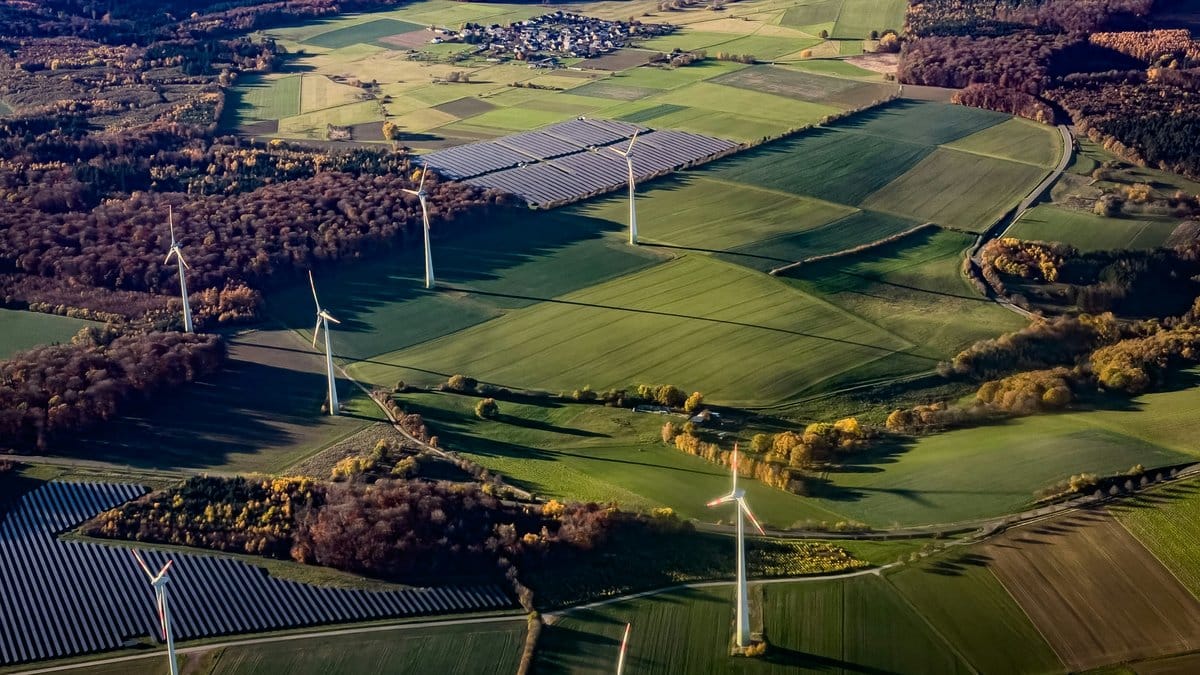
The transition toward clean energy continues to accelerate rapidly in the United States, even as fossil fuel prices remain elevated. According to recent data from the EIA, renewable energy generation rose by 11.1% in the first quarter of 2026 compared to the same period the previous year. Utility-scale solar led this growth with a remarkable 23.9% increase, followed by hydropower at 21.9%, small-scale solar at 11.9%, and wind energy at 2.1%. Combined wind and solar generation now account for over 20% of total domestic electricity production, surpassing both nuclear and coal generation. Battery energy storage capacity also expanded by 8.5% during the quarter, while coal-fired generation declined by 11.4%.
Globally, the IEA's 2026 Global Energy Review confirms that solar PV capacity additions surpassed 600 gigawatts for the first time in 2025, bringing cumulative global solar capacity to approximately 2,800 gigawatts. The EIA projects that utility-scale solar, wind, and battery storage will add over 80.6 gigawatts of new clean energy capacity in the United States alone by early 2027. Renewable energy now accounts for 33.6% of total U.S. utility-scale generating capacity, with forecasts indicating this share will rise to 36.6% by March 2027.
Investment implications: The sustained growth in renewable capacity presents long-term opportunities in solar and wind developers, as well as companies involved in battery storage technology and grid infrastructure modernization. Investors should look for firms with strong project pipelines and the ability to navigate supply chain constraints and evolving policy environments effectively.
Energy Stocks & Outlook
Energy stocks have been among the strongest performers in 2026, driven by the surge in commodity prices. The Energy Select Sector SPDR ETF (XLE) is up approximately 30% year-to-date, with shares trading around $58 to $59 in mid-June. Major constituents like ExxonMobil (XOM), Chevron (CVX), and ConocoPhillips (COP) have all seen their share prices rise by roughly 30% this year. These companies have spent the past several years optimizing their portfolios to lower their breakeven costs, allowing them to generate substantial free cash flow at current price levels. ExxonMobil is currently trading around $146 to $152 per share, while ConocoPhillips trades near $115. While the market anticipates that oil prices may eventually cool off once geopolitical tensions ease, the structural improvements in these companies ensure they remain highly profitable even if crude prices retreat to the $70 to $80 range. Analysts continue to view integrated majors and well-capitalized upstream producers as compelling long-term investments given their ability to generate significant free cash flow across the commodity price cycle.
Disclaimer: This analysis is for informational and educational purposes only and should not be considered financial advice. Energy sector investments carry significant commodity price volatility and geopolitical risks. Always conduct your own research and consult with a qualified financial advisor before making investment decisions.