



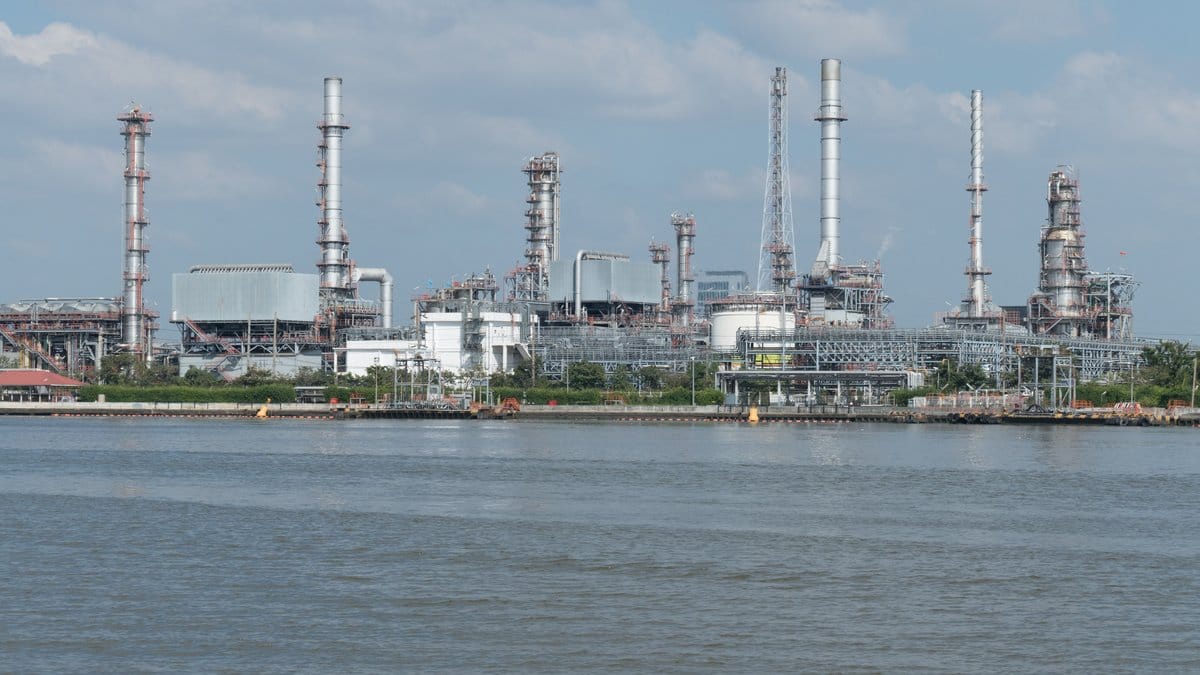
Photo: Pexels
Energy Market Overview
Energy markets are split: oil is pricing a substantial geopolitical premium, while North American natural gas remains relatively well supplied even as global liquefied natural gas trade faces shipping and infrastructure risk. At 06:54 UTC on October 9, front-month Brent crude traded near $103.54 a barrel, West Texas Intermediate near $90.95, and Henry Hub natural-gas futures near $3.14 per million British thermal units.
The immediate oil question is whether improved exports and emergency stocks can offset risks around the Strait of Hormuz, a route that carried roughly one-fifth of global oil and fuel shipments before the conflict. Reuters reported that easing rhetoric around U.S.-Iran talks pulled crude lower early Friday, but Hurricane Isaias had also shut in about 1.3 million barrels per day of Gulf of Mexico production. The International Energy Agency supports accelerated oil-stock releases, while OPEC+ participants maintained September production requirements for November.
That creates dispersion rather than a single sector call. Integrated producers and refiners have different sensitivities to crude, distillate and margins; gas producers face a domestic-storage and LNG-export equation; and renewable developers remain tied to power demand, financing and grid build-out. The opportunity is higher realized pricing in selected businesses. The risk is that a rapid improvement in transit and supply conditions could unwind the premium just as quickly.
Oil Market Analysis
Oil is no longer responding primarily to a routine supply-and-demand cycle. The market is balancing partial recovery in Middle East export flows against the possibility of fresh interruptions to pipelines, tankers and regional infrastructure. EIA says Brent futures moved above $100 again in September after attacks on energy infrastructure, and its October outlook expects Brent to average about $105 per barrel in the fourth quarter.
Supply-side developments are pulling in opposite directions. The IEA says approximately 325 million barrels have already been released under its March collective action and that completing the remaining pledged volumes would add about 100 million more barrels. OPEC+’s October 4 decision removes one potential source of immediate incremental supply. EIA expects Middle East shut-in production to fall from 4.5 million barrels per day in the fourth quarter to 2.7 million in early 2027 as exporters improve transit and alternative routing.
Demand and refining matter as much as headline crude exports. EIA reported that U.S. distillate inventories were 13% below their five-year average in late September, and tight diesel and jet-fuel markets have supported refinery economics. China’s returning refined-product exports may relieve some product tightness, but the timing and scale of improved shipping matter. U.S. production provides a counterweight: EIA forecasts a record 13.9 million barrels per day in 2026 and 14.3 million in 2027. That response supports the agency’s view that Brent could average about $84 in 2027 if inventories rebuild and transit improves.
Investment implications: The constructive case for integrated producers and refiners rests on elevated crude realizations, resilient downstream margins and disciplined capital spending. It is not a blanket call to chase spot-price strength. Investors should distinguish companies with diversified production, strong balance sheets and refining or marketing exposure from firms that rely on a single basin or a short-lived price spike. A faster stock release or return of curtailed barrels would pressure upstream multiples, while a prolonged disruption would keep refining and diesel-sensitive earnings in focus.
Natural Gas & LNG
Natural gas presents a different mix of softness and strategic upside. Henry Hub futures near $3.14 per million British thermal units remain far below oil on an energy-equivalent basis. Reuters reported that EIA expects inventories to begin the heating season about 2% above the previous five-year average, limiting the chance that a normal start to winter alone produces a sustained domestic price spike. EIA expects lower natural-gas expenditures for many U.S. households.
Export markets are more sensitive. QatarEnergy’s first North Field East expansion train should be ready in November. Bloomberg notes that U.S. LNG accounted for roughly one-third of global exports last month, supporting exporters and infrastructure but linking domestic balances to overseas demand, shipping and outages.
Power demand is the bridge between domestic and export narratives. EIA forecasts U.S. gas use for power generation at 37.0 billion cubic feet per day in 2026, while gas retains a 40% share of U.S. generation before easing modestly in 2027. Weather, storage withdrawals, LNG feedgas and power burn remain the principal short-term price drivers.
Investment implications: Gas-focused producers need more than a higher Henry Hub print; durable returns depend on cost structure, hedging, transport access and exposure to growing LNG demand. Midstream operators with contracted capacity offer a different risk profile from unhedged producers. Monitor winter weather, weekly storage, LNG utilization and the pace of new export capacity rather than treating a single futures move as a complete signal.
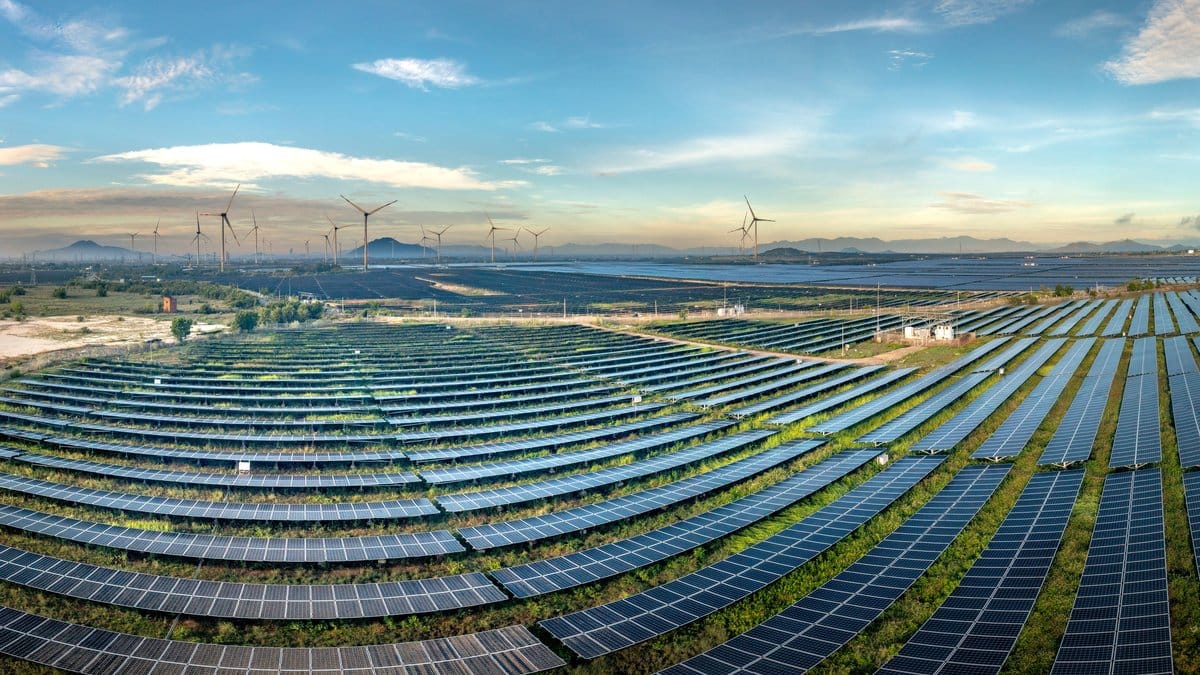
Photo: Pexels
Renewable Energy & Transition
More electricity is being consumed, and new low-carbon generation is increasingly part of the supply response. EIA projects U.S. power demand will rise from a record 4,195 billion kilowatt-hours in 2025 to 4,288 billion in 2026 and 4,356 billion in 2027, with data centers and electrification among the drivers. Renewable generation is expected to rise from about 24% of the mix in 2025 to 25% in 2026 and 27% in 2027, while coal’s share declines and gas remains broadly stable near term.
That forecast does not make the path smooth for solar and wind equities. Project economics still depend on interest rates, equipment costs, tax and policy frameworks, interconnection queues, transmission availability and offtaker credit. The operational lesson from the U.S. summer is nevertheless notable: Reuters reported that record renewable output carried much of the incremental load during periods of elevated data-center and air-conditioning demand. Storage, flexible generation and grid upgrades remain essential.
Investment implications: The durable theme is electrification rather than a simple commodity trade. Investors may find cleaner exposure in companies with contracted utility-scale pipelines, transmission and grid-equipment franchises, or balanced utility portfolios. Pure-play developers can be more sensitive to financing conditions and execution. Focus on backlog quality, project returns after financing, curtailment risk and the contractual structure behind expected growth; headline capacity additions alone do not determine shareholder value.
Energy Stocks & Outlook
Energy equities reflected the split market through the October 8 close. Exxon Mobil rose about 2.7% from October 2 to $168.50, while Chevron gained roughly 2.4% to $211.55. EQT climbed about 5.5% to $52.94 as gas and LNG themes drew attention. In the transition group, NextEra Energy added about 0.7% to $77.37 and First Solar rose about 2.4% to $178.85. These are short windows, not performance forecasts, but they show investors rewarding both hydrocarbons with near-term cash-flow leverage and selected clean-power names with credible demand exposure.
The next catalyst set is unusually clear: Hormuz transit and Gulf production updates, the pace of IEA stock releases, U.S. winter weather and storage, LNG facility operations, and quarterly earnings commentary on capital discipline. The most balanced outlook is one of elevated volatility rather than a one-way sector advance. Companies with visible cash generation, conservative leverage and assets positioned for multiple price scenarios appear better equipped than businesses that depend on one commodity price remaining unusually high.
Sources: EIA; IEA; OPEC; Reuters; Bloomberg; Yahoo Finance market data. Data and reporting accessed October 9, 2026.
Disclaimer: This analysis is for informational and educational purposes only and should not be considered financial advice. Energy sector investments carry significant commodity price volatility and geopolitical risks. Always conduct your own research and consult with a qualified financial advisor before making investment decisions.