



Energy Market Overview
The global energy markets are in a state of flux as we move into February 2026. Crude oil prices are experiencing significant volatility, driven by a complex interplay of geopolitical tensions and concerns over a potential supply glut. West Texas Intermediate (WTI) crude is currently trading around $64 per barrel, while Brent crude, the international benchmark, is hovering near $68 per barrel. Both benchmarks have seen daily gains but are on track for their first weekly decline in six weeks. This price action reflects the market's uncertainty as traders weigh the possibility of supply disruptions against a backdrop of rising inventories and a forecasted surplus. In the natural gas market, prices have plummeted to around $3.47 per MMBtu, with the March contract experiencing a dramatic 21.6% drop due to forecasts of warmer weather. This sharp decline puts US natural gas on a path for its most significant loss in nearly three decades, highlighting the market's sensitivity to weather patterns and storage levels. The recent record withdrawal from natural gas storage due to Winter Storm Fern has done little to support prices in the face of a milder outlook.

Oil Market Analysis
The oil market is currently being pulled in two directions. On one hand, the ongoing high-stakes negotiations between the United States and Iran are creating significant uncertainty. The US is pushing for a broad discussion that includes Iran's ballistic missile program and regional activities, while Iran insists on focusing solely on nuclear issues and sanctions relief. The situation is further complicated by the US Virtual Embassy's advisory for American citizens to leave Iran, raising concerns about potential supply disruptions from the OPEC producer. On the other hand, there are clear signals of a well-supplied market. Saudi Arabia recently cut prices for its main crude grade sold to Asia to their lowest level since late 2020, a move that suggests an oversupply. However, the smaller-than-expected price reduction indicates that the Kingdom remains confident in the strength of demand. The International Energy Agency (IEA) has also warned of a significant surplus in the first quarter of 2026, with physical supply expected to exceed demand by 3.7 million barrels per day. This potential “superglut” scenario is a major headwind for oil prices. OPEC+ has responded to the market dynamics by pausing production increments for March 2026, with key members like Saudi Arabia and Russia maintaining their production targets.
Investment implications: The current oil market environment presents both opportunities and risks for investors. The heightened geopolitical risk premium, driven by the US-Iran tensions, could lead to short-term price spikes. However, the underlying fundamentals of a well-supplied market and a potential surplus in the coming months suggest that any price rallies may be short-lived. Investors should be cautious and closely monitor the developments in the US-Iran negotiations and the upcoming OPEC+ meetings. Companies with strong balance sheets and low production costs are better positioned to weather the potential price volatility. A diversified energy portfolio that includes exposure to both traditional and renewable energy sources could help mitigate risks.
Natural Gas & LNG
The US natural gas market is currently grappling with a significant downturn in prices, primarily driven by warmer-than-average weather forecasts for February. The March contract has seen a dramatic plunge, putting natural gas on track for its worst performance in nearly three decades. While a recent cold snap, dubbed Winter Storm Fern, led to a record withdrawal of 360 billion cubic feet from storage for the week ending January 30, it has not been enough to offset the bearish sentiment from the milder weather outlook. The 52-week range for natural gas prices, from $2.604 to $4.260, highlights the inherent volatility of this commodity. In the global market, the demand for liquefied natural gas (LNG) continues to grow. LNG contracting and final investment decisions (FIDs) for new export terminals reached multi-year highs in 2025, with contracting activity being the strongest in a decade. The International Energy Agency (IEA) forecasts a 2% growth in global natural gas demand in 2026, driven primarily by China and other emerging Asian markets. The US is a key player in the global LNG market, and the expansion of export capacity is expected to continue. However, this could lead to a divergence between domestic and international gas prices, with US consumers potentially facing higher prices as more gas is exported.
Investment implications: The current low price environment for natural gas may present a buying opportunity for long-term investors who are bullish on the prospects of LNG. Companies involved in the LNG value chain, from production and liquefaction to transportation and regasification, could see significant growth in the coming years. However, investors should be aware of the risks associated with the volatility of natural gas prices and the potential for regulatory changes. The growing demand for LNG in Asia and Europe provides a strong long-term tailwind for the sector, but the market is likely to remain volatile in the short term.
Renewable Energy & Transition
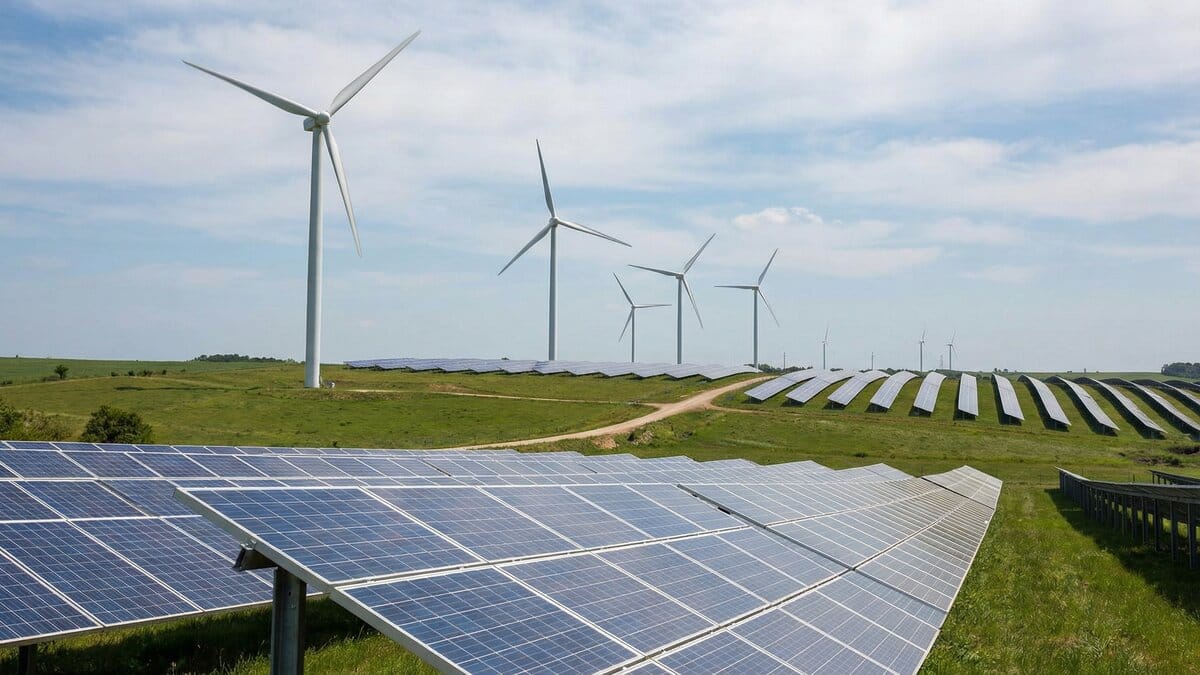
The renewable energy sector is facing a mixed bag of news. On the positive side, the European Union reached a major milestone in 2025, with wind and solar generating more power than fossil fuels for the first time. This is a clear indication of the ongoing energy transition in Europe. In the United States, Xcel Energy has been cleared to build a massive series of solar, wind, and battery projects in Colorado, which will significantly increase the state's renewable energy capacity. However, the sector is also facing significant headwinds. The Trump Administration has been delaying hundreds of wind and solar projects on both federal and private land, creating uncertainty for developers. This is happening at a time when electricity demand is on the rise, which could lead to a supply crunch if new renewable energy projects are not brought online in a timely manner. The wind energy sector, in particular, is facing staunch local opposition and federal roadblocks in some parts of the country, such as Iowa. Despite these challenges, there is still political support for renewable energy, as evidenced by the recent bill signed by President Trump that increases the Department of Energy's spending on wind and solar by $250 million.
Investment implications: The renewable energy sector offers significant long-term growth potential, but investors need to be aware of the policy risks and the challenges of project development. Companies with a strong track record of project execution and a diversified portfolio of projects are better positioned to succeed. The increasing demand for clean energy, driven by climate change concerns and falling costs, provides a strong tailwind for the sector. However, the delays in project approvals and the political uncertainty in the US could create short-term volatility. Investors should focus on companies with strong fundamentals and a clear path to profitability.
Energy Stocks & Outlook
The energy sector has been a top performer in the stock market recently, with the Energy Select Sector SPDR ETF (XLE) rising 14.4% in a recent period. This strong performance has been driven by the rally in oil prices and the positive outlook for the global economy. Major energy stocks like Exxon Mobil and Chevron have seen their share prices rise, and the oil and gas integrated sub-sector has delivered a year-to-date return of 11.34% and a one-year return of 38.35%. The outlook for the energy sector remains positive, with many analysts expecting a continued recovery in energy demand as the global economy emerges from the pandemic. However, the sector is also facing a number of challenges, including the transition to a low-carbon economy and the increasing volatility of commodity prices. Investors should be selective when investing in energy stocks and focus on companies that are well-positioned to navigate the energy transition. Companies that are investing in renewable energy and other low-carbon technologies are likely to be the long-term winners in the sector.
Disclaimer: This analysis is for informational and educational purposes only and should not be considered financial advice. Energy sector investments carry significant commodity price volatility and geopolitical risks. Always conduct your own research and consult with a qualified financial advisor before making investment decisions.