



Market Overview
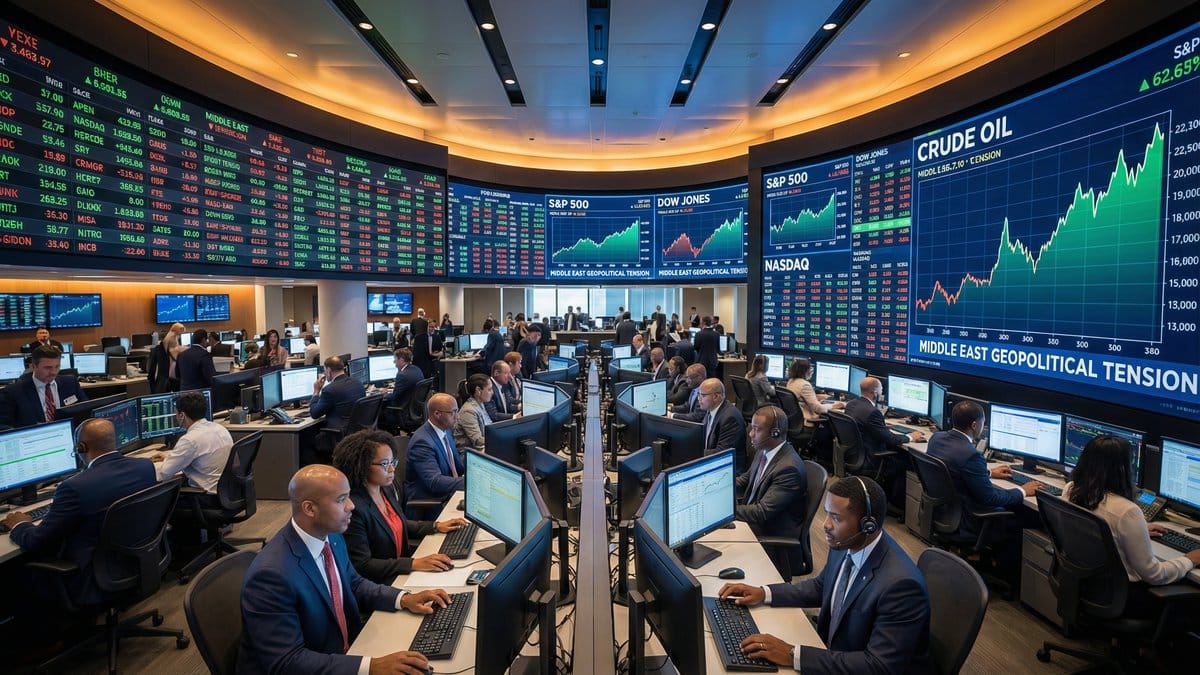
U.S. equity markets experienced a volatile session on Tuesday, March 24, 2026, as investors weighed escalating geopolitical tensions against hopes for a diplomatic resolution in the Middle East. The major indices resumed their slide, driven primarily by a sell-off in the technology sector and concerns over the ongoing conflict between Iran and the U.S.-Israeli alliance. The Dow Jones Industrial Average dipped 0.18% to close at 46,124.06, while the S&P 500 fell 0.37% to 6,556.37. The tech-heavy Nasdaq Composite led the decline, dropping 0.84% to 21,761.89. Conversely, the small-cap Russell 2000 managed to escape the broader market weakness, posting a gain of 0.45% to close at 2,505.44.
Market sentiment was heavily influenced by conflicting reports regarding the situation in the Strait of Hormuz. While President Trump suggested that negotiations with Iran were progressing and that they “want to make a deal so badly,” Iranian media denied these claims. Furthermore, reports surfaced that the Pentagon plans to deploy 3,000 troops from the elite 82nd Airborne Division to the region to secure the critical oil passageway. This uncertainty led to a rebound in oil prices, with West Texas Intermediate (WTI) crude rising 4% back above $91 a barrel, and Brent crude jumping toward $104. The energy sector was the sole bright spot in the market, gaining 2% as investors sought refuge in oil-related assets.
However, by Wednesday morning, March 25, the narrative shifted again. Reports emerged that Washington had sent a 15-point ceasefire proposal to Tehran, seeking a one-month pause in hostilities. This diplomatic push sparked a strong rally in Asian markets and lifted U.S. equity futures, while simultaneously causing oil prices to retreat by approximately 4-5%. The rapid shifts in sentiment underscore the market's high sensitivity to geopolitical developments and the fragile nature of the current global economic environment.
Top Market Movers
Circle Internet Financial (CRCL): Shares of the stablecoin issuer plummeted by a record 20% on Tuesday, marking a sharp reversal from its recent 110% rally. The massive sell-off was triggered by overnight reports concerning the Clarity Act, a proposed bill that aims to regulate the cryptocurrency market. According to sources, the legislation may include provisions that prohibit platforms from offering yield “directly or indirectly” on stablecoin balances. This development poses a significant threat to Circle's business model, as the company generates substantial revenue from interest earned on the reserves backing its USDC stablecoin. Other crypto-related stocks, including Coinbase (COIN), which fell 8%, also suffered heavy losses amid the regulatory uncertainty.
Investment implications: The sharp decline in crypto stocks highlights the ongoing regulatory risks facing the digital asset industry. Investors should remain cautious and closely monitor the progress of the Clarity Act and other legislative efforts, as they could have profound implications for the profitability and viability of crypto platforms. Diversification and a thorough understanding of the regulatory landscape are crucial for navigating this volatile sector.
Software and AI Sector: The software sector experienced a broad sell-off, with the iShares Expanded Tech-Software Sector ETF (IGV) declining 3.5%. The catalyst for this drop was the announcement of new capabilities for Anthropic's Claude AI models, which revived fears that advanced artificial intelligence could disrupt the business models of traditional software-as-a-service (SaaS) companies. Notable losers included Palantir (PLTR), down 5%, and Salesforce (CRM), which slid 6% after missing revenue estimates for the first time since 2006. Other major players like Snowflake (SNOW), Zscaler (ZS), and Arm Holdings (ARM) also faced significant downward pressure.
Investment implications: The rapid advancement of AI technology presents both opportunities and challenges for the software industry. While AI can enhance productivity and create new revenue streams, it also threatens to commoditize certain software functions. Investors should carefully evaluate the AI strategies of SaaS companies and focus on those that can successfully integrate AI into their offerings to maintain a competitive edge, rather than those vulnerable to disruption.
Energy Sector (XLE): In stark contrast to the broader market, the energy sector was the only positive performer on Tuesday, gaining 2%. The sector's strength was directly tied to the escalating conflict in the Middle East and the effective closure of the Strait of Hormuz, which chokes off roughly 15 to 16 million barrels per day of oil from the global market. BP's chief economist noted that the current disruption is “incomparable” to past oil shocks in its scale and potential impact. Since the war began, Brent crude futures have surged approximately 40%, while WTI has gained over 30%.
Investment implications: The energy sector remains a key hedge against geopolitical instability in the Middle East. As long as the conflict persists and the Strait of Hormuz remains compromised, oil prices are likely to remain elevated, supporting the profitability of energy companies. However, investors must also be prepared for sudden reversals, as evidenced by the sharp drop in oil prices on Wednesday morning following reports of a potential ceasefire. Active management and a close eye on diplomatic developments are essential.
Economic Data & Fed Watch
Recent economic data points to a potential slowdown in the U.S. economy, exacerbated by the ongoing oil shock. The U.S. Composite PMI fell to 51.4 in March 2026, its lowest level since April 2025. This decline was driven primarily by a slowdown in the services sector, which offset unexpected resilience in manufacturing. The Manufacturing PMI actually increased to 52.4, surpassing expectations, supported by stabilizing export demand and optimism over domestic consumption. However, the broader composite index suggests that business activity is cooling, with confidence weakening and employment dropping for the first time in over a year due to surging input costs.
On the monetary policy front, the Federal Reserve held interest rates steady at its March 2026 FOMC meeting, maintaining the reserve balance rate at 3.65%. The unanimous decision reflects the central bank's cautious approach amid conflicting economic signals and heightened geopolitical risks. Meanwhile, Treasury yields have been on the rise, with the 2-year note yield jumping to 3.926% following a weak auction, marking its highest level since July. The benchmark 10-year Treasury yield also climbed to 4.39%, reflecting investor concerns about inflation and the potential for a prolonged period of elevated interest rates.
Investment implications: The combination of slowing economic growth, rising input costs, and elevated interest rates presents a challenging environment for equities. Investors should prioritize high-quality companies with strong pricing power and robust balance sheets that can weather a potential economic downturn. Additionally, the rising yield environment suggests that fixed-income assets may offer increasingly attractive risk-adjusted returns compared to equities, particularly for income-focused investors.

International Markets
International markets exhibited mixed performance on Tuesday, followed by a strong rally in Asia on Wednesday morning. In Europe, the STOXX 50 added 0.13% to close at 5,581, while the UK FTSE 100 rose 0.72% to 9,965. The European markets were supported by gains in the chemicals sector, as natural gas prices eased, benefiting companies like Air Liquide and BASF. However, softer March PMI data signaled that energy-driven pressures are beginning to weigh on economic activity in the region.
In Asia, markets rebounded strongly on Tuesday after President Trump postponed attacks on Iranian energy infrastructure. The Hang Seng Index surged 2.8%, and South Korea's Kospi jumped 2.7%. This positive momentum carried over into Wednesday morning, fueled by optimism regarding U.S. efforts to negotiate a ceasefire in the Middle East. The Nikkei 225 advanced 2.9%, the Topix increased 2.3%, and the Kospi gained another 3.1%. The prospect of a diplomatic resolution and the subsequent drop in oil prices provided a significant boost to risk sentiment across the region.
Looking Ahead
As the week progresses, market participants will be closely monitoring several key developments. The primary catalyst remains the geopolitical situation in the Middle East. Any confirmation of a ceasefire agreement or further escalation of the conflict will have immediate and profound impacts on oil prices and global equity markets. Investors will be watching for Tehran's response to the U.S. 15-point proposal and any signs of progress in diplomatic negotiations.
On the economic front, the upcoming release of the final revision for U.S. Q4 GDP and the Personal Consumption Expenditures (PCE) inflation data—the Federal Reserve's preferred inflation gauge—will be critical. These reports will provide further insights into the health of the U.S. economy and the trajectory of inflation, potentially influencing the Fed's future monetary policy decisions. Additionally, weekly jobless claims will offer a real-time look at the labor market, which has shown signs of softening in recent PMI data. Finally, as the end of the first quarter approaches, investors will begin positioning themselves for the upcoming earnings season, which will reveal how companies are navigating the complex macroeconomic landscape.
Disclaimer: This analysis is for informational and educational purposes only and should not be considered financial advice. Market conditions can change rapidly, and past performance does not guarantee future results. Always conduct your own research and consult with a qualified financial advisor before making investment decisions.