




Energy Market Overview
The global energy landscape is currently navigating a complex intersection of geopolitical tensions, shifting supply dynamics, and a rapidly accelerating transition toward cleaner power sources. As we move through late March 2026, the markets are characterized by a delicate balance between immediate supply concerns and long-term structural changes. Crude oil prices have experienced significant volatility, recently cooling off from near-term highs as diplomatic efforts in the Middle East offer a glimmer of hope for stabilization. Brent crude futures have adjusted to around $98 per barrel, while West Texas Intermediate (WTI) sits near $87 per barrel.
Simultaneously, the natural gas sector is grappling with its own set of challenges and opportunities. With Henry Hub spot prices fluctuating and the global liquefied natural gas (LNG) market facing disruptions from key suppliers like Qatar, the outlook remains uncertain. Meanwhile, the renewable energy sector continues its relentless expansion, with solar, wind, and battery storage capacity additions vastly outpacing fossil fuels. This divergence highlights a broader market theme: traditional energy sources remain critical for immediate global needs, while renewable energy represents the undeniable trajectory of future infrastructure investment.
Oil Market Analysis
The oil market has been the focal point of global economic attention, primarily driven by the ongoing crisis in the Middle East. Now in its fourth week, the conflict has kept a significant risk premium priced into crude benchmarks. However, recent developments have introduced a cooling effect. Reports of a proposed 15-point peace plan and potential negotiations between the United States and Iran have led to a sharp pullback in prices, with fuel prices dropping over 5% in a single session.
Despite this recent cooling, underlying supply concerns remain deeply entrenched. The Strait of Hormuz, a critical maritime chokepoint responsible for nearly one-fifth of global oil and LNG shipments, continues to be a major source of anxiety. Disruptions in this region have the potential to severely constrain global supply, and market analysts warn that even if immediate tensions ease, prices are likely to find a strong floor in the $85 to $90 range. Should the conflict escalate, forecasts suggest Brent crude could surge back toward $110 or even test the $150 per barrel mark.
On the demand side, the global economic picture presents a mixed outlook. The International Energy Agency (IEA) anticipates that global supply may exceed demand by over 3.7 million barrels per day in 2026, suggesting that absent geopolitical shocks, the market could face downward pressure. However, the immediate reality is dictated by supply-side risks and the strategic maneuvers of OPEC+ nations, who continue to manage production quotas to support price stability.
Investment implications: The current environment favors a defensive yet opportunistic approach to oil equities. Investors should focus on companies with robust balance sheets, low break-even costs, and strong dividend yields. Integrated majors offer a buffer against pure upstream volatility, while selective exposure to exploration and production companies could provide significant upside if geopolitical tensions reignite.
Natural Gas & LNG
The natural gas market is currently characterized by a complex interplay of ample domestic supplies and constrained global export dynamics. In the United States, Henry Hub natural gas futures have experienced downward pressure, recently hovering around the $2.95 per million British thermal units (MMBtu) mark. This subdued pricing environment is largely attributed to unsupportive weather patterns, specifically a milder-than-expected winter that has limited heating demand, coupled with robust storage levels.
However, the global liquefied natural gas (LNG) picture tells a different story. The ongoing conflict in the Middle East has not only impacted oil but has also severely disrupted the LNG market. Damage to export infrastructure in Qatar, a major global supplier, has upended the outlook for Asian demand growth and sent ripples through international pricing benchmarks. These disruptions highlight the fragility of global energy supply chains and underscore the growing importance of reliable LNG exports from North America.
For U.S. producers, the domestic oversupply presents near-term pricing challenges, but the long-term thesis remains tied to export capacity. As global demand for LNG continues to rise, driven by both energy security concerns and the transition away from coal in developing economies, U.S. export terminals are positioned to play a pivotal role.
Investment implications: Investors should look toward companies with significant exposure to LNG export infrastructure and long-term supply contracts. While pure-play domestic natural gas producers may face near-term headwinds due to pricing pressure, midstream operators and companies facilitating the global LNG trade offer more insulated and potentially lucrative opportunities.
Renewable Energy & Transition
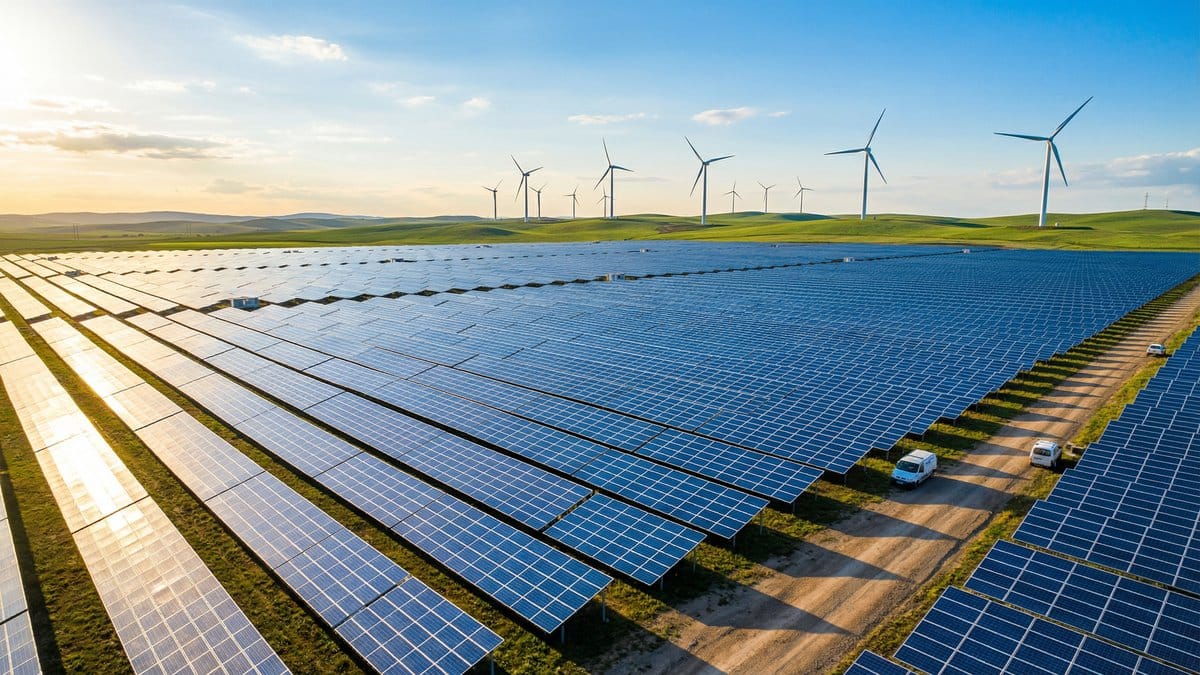
The transition toward renewable energy has reached an inflection point, with 2026 shaping up to be a landmark year for clean power deployment. According to recent data from the U.S. Energy Information Administration (EIA), renewable energy sources provided over a quarter of U.S. electrical generation early in the year. More strikingly, the capacity additions for solar, wind, and battery storage are vastly outpacing those of traditional fossil fuels. In the past year alone, these clean technologies added over 55 gigawatts of new capacity, while net additions from fossil fuels and nuclear power were negligible.
Solar power continues to lead this charge, accounting for a rapidly growing share of installed generating capacity. Both utility-scale and small-scale solar installations are expanding at double-digit rates. Wind energy also maintains a strong growth trajectory, with significant planned additions for both onshore and offshore projects. Crucially, the explosive growth of utility-scale battery storage is addressing one of the primary historical limitations of renewable energy: intermittency.
This structural shift is not merely a domestic phenomenon but a global imperative, accelerated by the very geopolitical tensions currently disrupting fossil fuel markets. The vulnerabilities exposed by the Middle East conflict are prompting nations to reevaluate their energy security strategies, increasingly viewing domestic renewable generation as a critical component of national defense.
Investment implications: The renewable sector offers compelling long-term growth potential, but requires careful stock selection. Investors should prioritize companies with proven execution capabilities, strong project pipelines, and exposure to the rapidly growing battery storage market.
Energy Stocks & Outlook
The outlook for energy stocks in 2026 is defined by a delicate balance between the immediate cash-flow generation of traditional oil and gas and the long-term growth trajectory of renewables. Despite the inherent volatility of commodity prices, the oil and gas sector has undergone a significant transformation in recent years. Years of disciplined capital spending, focused balance-sheet repair, and a commitment to shareholder returns have reshaped the investment thesis. Today, many oil majors are less focused on aggressive production growth and more oriented toward generating free cash flow, supporting durable dividends, and executing share repurchases.
Top-tier integrated energy companies remain attractive for income-oriented investors, offering a hedge against inflation and geopolitical shocks. Analysts at major financial institutions continue to highlight select buy-rated energy stocks that demonstrate resilience in the face of market disruptions. However, the broader energy portfolio must also account for the undeniable momentum of the clean energy transition.
Disclaimer: This analysis is for informational and educational purposes only and should not be considered financial advice. Energy sector investments carry significant commodity price volatility and geopolitical risks. Always conduct your own research and consult with a qualified financial advisor before making investment decisions.
