



Market Overview
The U.S. stock market experienced a powerful relief rally on April 9, 2026, as investors welcomed news of a temporary two-week ceasefire agreement between the United States and Iran. The major indices surged across the board, recovering significant ground lost during the recent geopolitical tensions. The S&P 500 jumped 2.5% to close at 6,783.48, marking its second-best day of the year and adding approximately $1.4 trillion in market capitalization. The tech-heavy Nasdaq Composite led the major averages, vaulting 2.8% to 22,637.90, while the Dow Jones Industrial Average soared by an impressive 2.85%, or over 1,300 points, to finish at 47,914.02. The small-cap Russell 2000 also participated in the broad-based advance, reflecting renewed risk appetite among investors.
Market sentiment shifted dramatically from defensive posturing to aggressive buying as the ceasefire announcement alleviated immediate concerns over a broader conflict in the Middle East and the potential for a prolonged closure of the Strait of Hormuz. The most notable sector performance was seen in travel, leisure, and transportation stocks, which surged on the prospect of lower fuel costs. Conversely, the energy sector, which had been the top performer in recent weeks, faced significant selling pressure as crude oil prices plummeted from their recent highs. Despite the euphoric market reaction, trading remained volatile as conflicting reports emerged regarding the durability of the ceasefire, with Iran later claiming that certain clauses of the agreement had already been violated.

Top Market Movers
The dramatic shift in geopolitical headlines triggered massive rotations across various sectors and asset classes, creating distinct winners and losers in Thursday's trading session.
Crude Oil Plunge
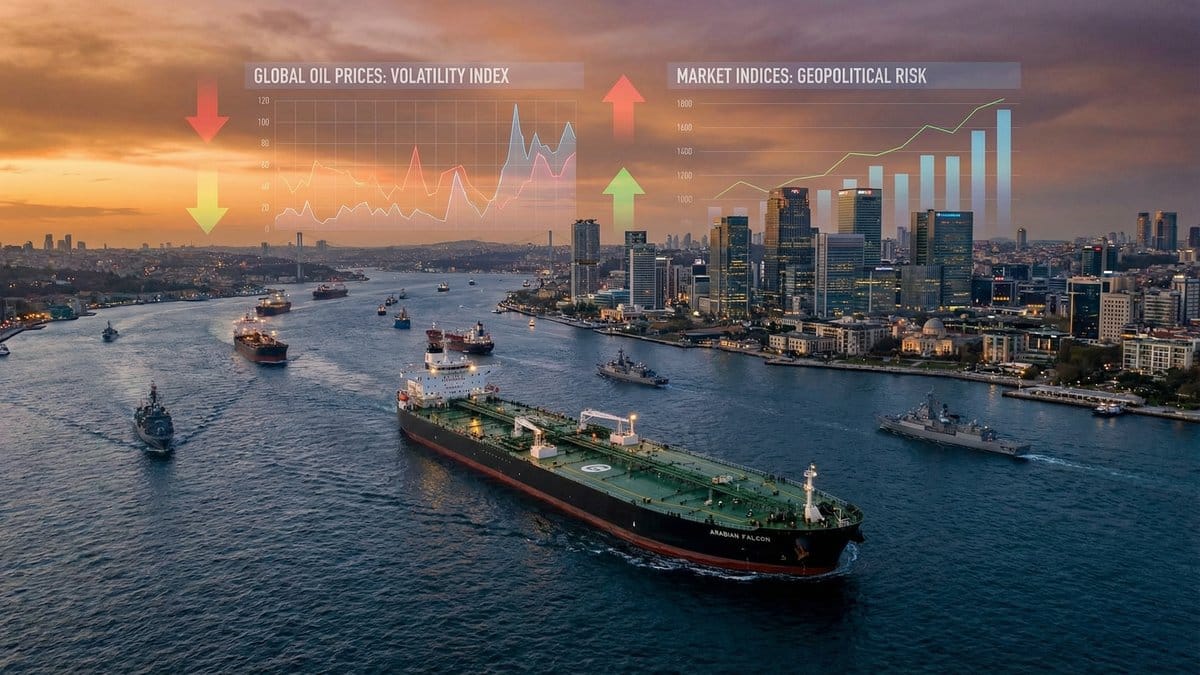
Oil prices experienced their sharpest single-day drop since April 2020 before paring some losses. Brent crude initially tumbled by as much as 15% as the ceasefire reduced the immediate threat to Middle Eastern oil supplies. However, prices rebounded sharply toward the $100 per barrel mark after reports indicated that the Strait of Hormuz remains effectively closed to normal commercial traffic, with Iran strictly limiting transits to approximately 12 ships per day — a dramatic reduction from the 100+ daily transits before the conflict began. Dated Brent, reflecting prompt physical cargoes, settled at $124.50 on Wednesday, underscoring the rapidly tightening near-term supply backdrop.
Investment implications: The extreme divergence between the ceasefire-driven spot price drop and the still-elevated physical market prices highlights the deeply uncertain supply outlook. Energy stocks may face continued near-term pressure, but investors should not completely abandon the sector given the fragility of the truce. A selective approach favoring diversified energy majors with strong balance sheets over pure-play upstream producers is advisable.
Airlines and Travel Sector Surge
The sudden drop in oil prices provided a massive tailwind for transportation and leisure stocks. United Airlines soared 9.6%, American Airlines rose 7.4%, and Delta Air Lines gained 5.4%. European travel operators like EasyJet and TUI also jumped more than 10%, reflecting investor optimism that lower jet fuel costs will significantly boost profit margins in the upcoming travel season. The rally in airlines was among the most dramatic sector moves of the day, as these companies had been among the hardest hit by the surge in energy prices over recent weeks.
Investment implications: While the airline rally is compelling, investors should exercise caution given the ceasefire's fragility. Fuel costs remain the single largest variable expense for airlines, and any breakdown in the peace agreement could quickly reverse these gains. For investors with a longer time horizon, the sector may offer value if the geopolitical situation stabilizes, but near-term volatility is likely to remain elevated.
Energy Sector Pullback
Energy companies, which had benefited immensely from the recent geopolitical premium in oil prices, bore the brunt of the selling. Major U.S. producers like Exxon Mobil fell 6.4%, while Occidental Petroleum dropped 6.6%. European energy giant Equinor plunged as much as 13% alongside the sharp fall in oil. The energy sector, which had been the top-performing sector in the S&P 500 with gains of over 38% year-to-date heading into the week, saw its outperformance narrow significantly in a single session.
Investment implications: The sharp pullback in energy stocks may present a buying opportunity for long-term investors who believe the ceasefire is temporary or that structural supply constraints will keep oil prices elevated. However, given the high uncertainty surrounding the Middle East situation, position sizing should be conservative, and stop-loss levels should be considered to manage downside risk.
Semiconductor and Technology Rebound
The technology sector, particularly semiconductors, showed robust strength as investors rotated back into growth names. The rally was global, with Asian chipmakers like SK Hynix surging 13% and Samsung Electronics gaining 7.1%, driven by continued optimism surrounding artificial intelligence demand and a return to risk-on sentiment. In the U.S., the Nasdaq Composite outperformed the broader market, while software names, which had been under pressure due to concerns about AI disrupting traditional software business models, also participated in the broad-based recovery.
Investment implications: The semiconductor sector's strong performance reflects the market's continued conviction in the long-term AI investment cycle. While near-term volatility tied to geopolitical headlines will persist, the structural demand for AI chips and data center infrastructure remains intact. Investors may consider using pullbacks in high-quality semiconductor names as opportunities to build or add to positions.
Economic Data & Fed Watch
While geopolitical events dominated the headlines, underlying economic data and Federal Reserve policy expectations continued to shape the broader market narrative. The recent minutes from the Fed's March meeting revealed that central bank officials remain concerned about the inflationary impact of the Iran conflict, particularly the spike in energy prices. However, the minutes also indicated that the Fed still anticipates interest rate cuts later this year if inflation resumes its downward trajectory toward the 2% target. The Fed held its benchmark rate steady at a range of 3.5% to 3.75% at its last two meetings, following three rate cuts in the second half of 2025.
On the economic data front, the U.S. economy added 178,000 jobs in March, significantly higher than consensus expectations, suggesting that the labor market remains resilient despite the geopolitical headwinds. The OECD has revised its U.S. inflation forecast upward to 4.2% for 2026, compared to a pre-conflict estimate of 3.0%, reflecting the impact of elevated energy costs. Real GDP growth is projected to slow to approximately 1.7% on a fourth-quarter-to-fourth-quarter basis in 2026, slightly below the economy's potential growth rate.
The bond market reacted violently to the shifting geopolitical landscape. The benchmark 10-year Treasury yield, which had surged to nearly 4.45% in recent days due to inflation fears, experienced significant intraday volatility. Yields initially gapped higher before retreating as the ceasefire news broke, ultimately closing near 4.29%. The 2-year Treasury yield settled around 3.79%, while the 30-year mortgage rate for conforming loans dipped to 6.51% in the week ending April 3, its first decline in over a month. The U.S. dollar, which had been acting as a safe-haven asset, saw a sharp sell-off against major peers, with the euro trading near $1.1670, the pound posting notable gains, and the Japanese yen strengthening to around 158.67 per dollar.
Investment implications: The Federal Reserve is likely to look through temporary, energy-driven spikes in headline inflation and focus on core metrics. However, if the conflict is prolonged and energy prices remain structurally higher, it could weigh on economic growth and complicate the Fed's rate-cutting timeline. Fixed-income investors may find current yield levels attractive, but they should be prepared for continued volatility as the market rapidly reprices the probability of rate cuts based on incoming inflation data and geopolitical developments.
International Markets
Global equity markets mirrored the euphoric reaction seen on Wall Street, with international indices posting some of their strongest gains in years. In Europe, the STOXX 600 surged 3.9%, marking its biggest rally since March 2022. Germany's DAX led the regional advance, climbing 5.1% to 24,080.63, while France's CAC 40 rose 5.0% to 8,304.55 and the UK's FTSE 100 gained 2.5% to 10,608.88. The European rally was heavily driven by industrial, consumer discretionary, and travel sectors, which are highly sensitive to energy input costs and global economic growth prospects. Energy stocks in Europe lagged significantly, with Equinor dropping as much as 13% alongside the sharp fall in crude prices.
Asian markets also experienced a powerful risk-on move. Japan's Nikkei 225 jumped 5.4% to 56,308.42, South Korea's Kospi surged 6.9% to 5,872.34, and Hong Kong's Hang Seng index climbed 3.1% to 25,893.02. The Asian rally was characterized by a strong rotation back into cyclical and technology names, with major Chinese tech giants Meituan rising 10.3% and Alibaba gaining 6.8%. However, the mood in Asian markets became more sober in early Thursday trading as cracks began to appear in the fragile Gulf truce, with oil prices rebounding above $97 per barrel and Asian stocks retreating from their highs. The stronger U.S. dollar, which had erased its 2026 gains during the ceasefire euphoria, began to recover as investors reassessed the durability of the peace agreement.
Looking Ahead
As the market digests the implications of the tenuous ceasefire, attention will quickly pivot back to fundamental economic indicators and corporate earnings. Investors are closely watching the upcoming release of the U.S. Personal Consumption Expenditures (PCE) price index for February, the Federal Reserve's preferred inflation gauge. This data point will be critical in determining whether the recent drop in oil prices is translating into a broader easing of inflationary pressures, and it could have significant implications for the Fed's rate-cut timeline. Weekly Initial Jobless Claims data will also be released, providing a timely read on the health of the labor market. The U.S. Treasury is also scheduled to auction 30-year bonds, which will test investor appetite for long-duration government debt.
The first-quarter earnings season is set to kick into high gear in the coming days, with major U.S. banks including Goldman Sachs and JPMorgan Chase scheduled to report their results. Corporate earnings expectations remain robust, with S&P 500 earnings projected to grow by over 13% in 2026 according to FactSet. However, forward guidance will be heavily scrutinized for any signs that higher energy costs or geopolitical uncertainty are impacting profit margins or consumer demand. Additionally, China's March Producer Price Index (PPI) and Consumer Price Index (CPI) data are due for release, which will provide important insights into global inflationary trends and the health of the world's second-largest economy. Market participants will also continue to monitor any developments in the Middle East ceasefire negotiations, which remain the primary driver of near-term market sentiment.
Disclaimer: This analysis is for informational and educational purposes only and should not be considered financial advice. Market conditions can change rapidly, and past performance does not guarantee future results. Always conduct your own research and consult with a qualified financial advisor before making investment decisions.