



Energy Market Overview
The global energy sector continues to navigate a complex landscape characterized by shifting supply dynamics and accelerated transitions toward renewable sources. Currently, crude oil markets are experiencing significant volatility. West Texas Intermediate (WTI) crude is trading near $76 per barrel, while Brent crude hovers around $79 per barrel. These figures represent a notable decline from the elevated levels seen earlier in the year, particularly the $107 per barrel average observed in May, as geopolitical tensions surrounding the Strait of Hormuz begin to show signs of easing amid ceasefire negotiations.
Simultaneously, the natural gas market is adjusting to robust production levels and shifting seasonal demand. The Henry Hub spot price is currently averaging approximately $3.22 per million British thermal units (MMBtu). Despite the onset of summer cooling demand, prices have remained relatively constrained compared to earlier forecasts, largely due to strong associated natural gas production in regions like the Permian Basin, which has kept storage inventories above the five-year average.
Oil Market Analysis
The global oil market is currently balancing the prospect of easing supply constraints against a backdrop of softening demand. The recent de facto closure of the Strait of Hormuz severely restricted shipping traffic, leading to substantial production shut-ins that peaked at an estimated 11.3 million barrels per day in May. This disruption forced a significant drawdown of global commercial inventories, which are projected to reach their lowest levels since 2003 by the end of 2026. However, reports indicating progress in negotiations to reopen the strait have provided downward pressure on prices, as markets anticipate a gradual resumption of trade flows starting in the third quarter of 2026.
On the demand side, high fuel prices and government initiatives aimed at reducing consumption have led to downward revisions in global oil demand forecasts. The U.S. Energy Information Administration (EIA) now expects global oil demand to decrease by an average of 1.1 million barrels per day in 2026. This contraction in demand has partially mitigated the impact of supply disruptions, helping to stabilize prices in the near term. As the market looks ahead, the pace at which shut-in production is restored and the trajectory of global economic growth will be critical determinants of crude oil pricing through the remainder of the year.
Investment implications: The anticipated easing of supply constraints combined with downward revisions in global demand suggests that crude oil prices may face continued headwinds in the near term. Investors in the oil sector should remain vigilant regarding geopolitical developments, particularly the reopening of the Strait of Hormuz, as any delays could quickly reverse recent price declines. While major integrated oil companies remain fundamentally strong, the current environment may favor a cautious approach, focusing on firms with robust balance sheets and low breakeven costs.
Natural Gas & LNG
The U.S. natural gas market is currently characterized by strong production growth that is outpacing domestic consumption, leading to elevated storage levels and subdued pricing. The Henry Hub spot price, while seeing a slight seasonal uptick due to summer electricity generation demand for cooling, remains lower than initial 2026 forecasts. This is primarily driven by robust associated natural gas production from the Permian Basin, where increased oil drilling activity yields significant volumes of natural gas as a byproduct.
The EIA forecasts that U.S. marketed natural gas production will grow by 3.3% in 2026, reaching approximately 111 billion cubic feet per day. This surge in supply is sufficient to keep domestic inventories comfortably above historical averages, limiting upward price pressure. However, the expanding Liquefied Natural Gas (LNG) export market continues to provide a crucial outlet for this surplus production. As global LNG demand grows, particularly in Asia and Europe, U.S. export facilities are operating at high utilization rates, structurally linking domestic prices to international markets.
Investment implications: The persistent oversupply in the domestic natural gas market suggests limited upside for Henry Hub prices in the short term. However, the structural growth in LNG exports presents compelling opportunities. Investors may find value in midstream companies and infrastructure providers that facilitate the transportation and liquefaction of natural gas for international markets, as these entities benefit from volume growth rather than direct commodity price exposure.
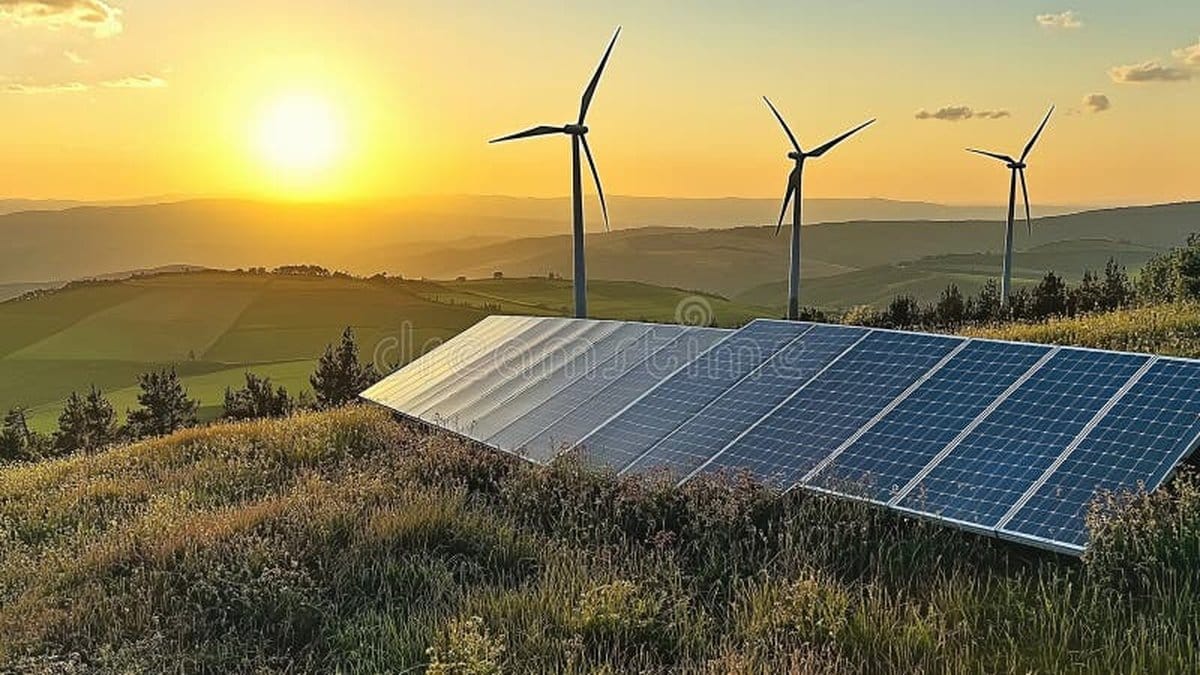
Renewable Energy & Transition
The global transition toward clean energy achieved a historic milestone recently, underscoring the rapid acceleration of renewable energy deployment. According to data from energy think tank Ember, wind and solar generated more electricity than gas globally for the first month ever in April 2026, accounting for 22% of global electricity generation compared to 20% from gas. This shift highlights how the rapid expansion of renewable capacity is fundamentally reshaping the global power mix, driven by a combination of favorable economics, energy security concerns, and robust policy support.
Investment in the renewable sector continues to surge, with global funding for new renewable energy development reaching record levels. The solar sector, in particular, is experiencing unprecedented growth, with capacity additions expected to surpass previous records. This momentum is supported by declining technology costs and strong government initiatives aimed at accelerating the deployment of clean energy infrastructure. The current environment has strengthened the economic case for renewables, making them increasingly competitive with traditional fossil fuels, especially in regions heavily reliant on imported energy.
Investment implications: The structural shift toward renewable energy presents a compelling long-term growth narrative. The recent milestone of wind and solar surpassing gas generation globally validates the sector's expanding market share. Investors should consider exposure to utility-scale renewable developers, solar technology manufacturers, and companies involved in grid modernization and energy storage, as these segments are critical to supporting the continued integration of intermittent renewable sources into the global energy infrastructure.
Energy Stocks & Outlook
Despite the recent pullback in crude oil prices, the broader energy sector has demonstrated resilience in 2026. The Energy Select Sector SPDR ETF (XLE), a benchmark for large-cap U.S. energy stocks, has posted strong year-to-date returns, up approximately 28%. This performance reflects the sector's disciplined approach to capital allocation, focus on shareholder returns through dividends and share repurchases, and robust cash flow generation even in a moderating price environment.
Major integrated oil companies, such as ExxonMobil (XOM) and Chevron (CVX), have experienced some recent share price volatility tied to crude oil fluctuations but remain well-positioned fundamentally. These industry leaders benefit from diversified operations, encompassing both upstream production and downstream refining, which provides a natural hedge against commodity price swings. Looking ahead, the sector's outlook will be shaped by the interplay between OPEC+ production decisions, global macroeconomic trends, and the ongoing pace of the energy transition.
Disclaimer: This analysis is for informational and educational purposes only and should not be considered financial advice. Energy sector investments carry significant commodity price volatility and geopolitical risks. Always conduct your own research and consult with a qualified financial advisor before making investment decisions.