



The global cryptocurrency market experienced a modest uptick on July 29, 2026, reaching a total capitalization of $2.28 trillion — a 0.4% gain over the prior 24 hours. Bitcoin (BTC) and Ethereum (ETH) both posted gains, while overall market sentiment remains cautious, with the Crypto Fear and Greed Index sitting at 29, firmly in “Fear” territory. Investors are closely monitoring the Federal Reserve's two-day FOMC meeting, which concludes today, as macroeconomic uncertainty continues to weigh on the broader digital asset landscape. The CME Group's FedWatch Tool currently assigns a 35.8% probability to a rate hike, up from 25.7% the prior week, making this one of the most unpredictable Fed meetings in recent memory.
Bitcoin Analysis
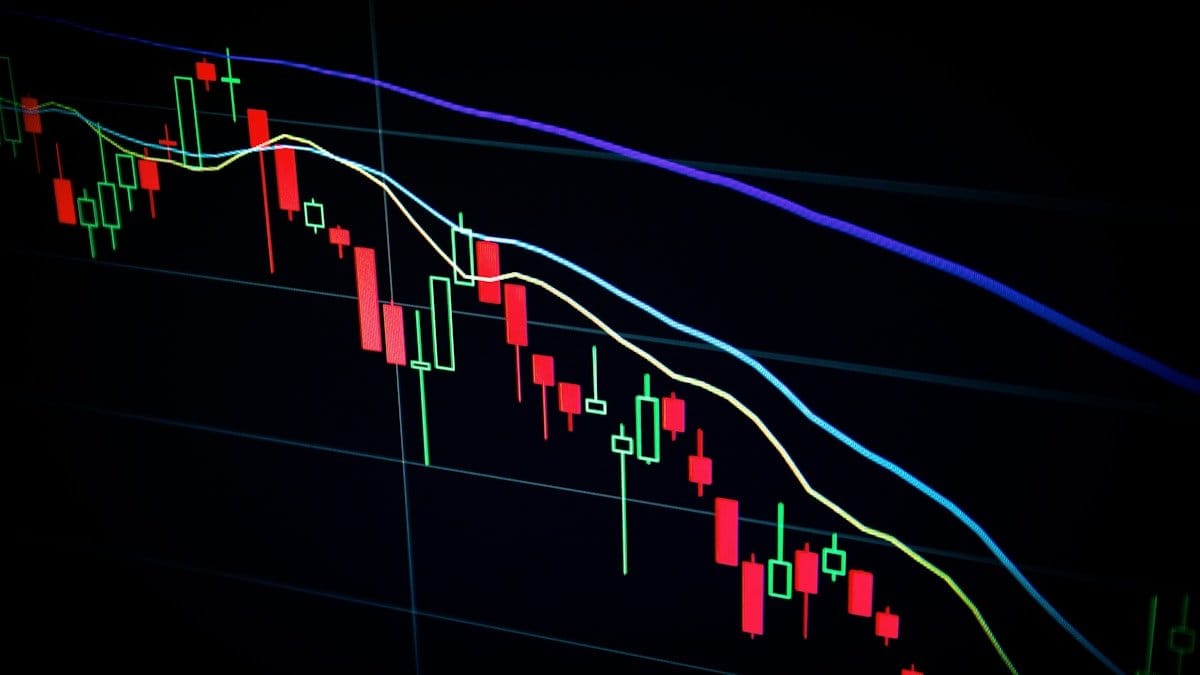
Bitcoin (BTC) is trading near $63,818 as of July 29, 2026, representing a gain of approximately 1.04% over the prior 24 hours. The leading cryptocurrency opened the week at $64,689 before retreating on geopolitical uncertainty stemming from Middle East tensions, reaching a weekly high of $66,921 on July 21. BTC dominance currently stands at 56.3% of the total crypto market capitalization, reflecting its continued status as the market's anchor asset.
From a technical perspective, Bitcoin is trading below all four major Exponential Moving Averages (EMAs) and sits approximately 22.9% beneath its recent swing high. The $60,000 level remains a critical psychological support zone, while resistance is established near $65,000 and $67,000. Bitcoin ETF products saw inflows of $33.9 million over the past week, though the 30-day trend remains negative at -$2.17 billion, suggesting that institutional flows have not yet fully reversed. Notably, the Bitcoin Security Consortium — a new initiative backed by BlackRock, Coinbase, and MicroStrategy — pledged $15 million over three years to fund quantum-resistant cryptography research, underscoring the industry's long-term commitment to network security.
Investment implications: The current consolidation phase around the $63,000 to $65,000 range presents a potential accumulation zone for long-term investors, particularly if institutional ETF inflows resume their upward trajectory. However, short-term traders should remain cautious ahead of the Federal Reserve rate decision. A dovish tone from the Fed could provide the catalyst needed for Bitcoin to break through near-term resistance levels, while a hawkish surprise could accelerate selling pressure toward the $60,000 support zone.
Ethereum & Altcoins
Ethereum (ETH) has outperformed Bitcoin in recent trading sessions, rising approximately 2.38% to trade near $1,912 on July 29, after touching $1,968 earlier in the week. This relative strength is accompanied by a record-high staking ratio: 33.9% of all ETH — approximately 40.7 million tokens — is now locked in validators. Despite annual staking yields declining to 1.74%, the milestone reflects strong long-term conviction among holders. Ethereum-focused investment funds recorded inflows of $103.8 million over the past week, a notable reversal from recent outflow trends. BitMine also added 9,946 ETH ($19.4 million) to its treasury, bringing its total holdings to approximately 5.8 million ETH.
The broader altcoin market showed mixed performance. The altcoin season index stands at 51, leaning toward altcoin season without yet signaling a broad-based rally. DeFi protocols led the charge, with AAVE surging 9.6% and Uniswap (UNI) rising 6.26%, reflecting renewed appetite for on-chain yield and lending exposure. Hyperliquid saw a significant milestone as tokenized real-world assets (RWAs), including equities and commodities, accounted for more than half of its weekly trading volume for the first time — a development ARK Invest described as signaling a new era for decentralized finance.

Investment implications: The record Ethereum staking ratio reduces circulating supply and may support price appreciation over the medium term. The resurgence of DeFi activity suggests that market participants are actively seeking yield beyond base-layer assets. Investors considering diversification into the altcoin sector should focus on established protocols with proven liquidity and governance frameworks, while maintaining strict position sizing given the elevated volatility inherent in smaller-cap digital assets.
Regulatory & Institutional Developments
The U.S. Senate has temporarily shelved the Digital Asset Market Clarity Act as Majority Leader John Thune prioritizes a Russia sanctions bill and federal nominations ahead of the August 8 recess. The delay is significant: with limited floor time remaining before the recess, the bill's passage in 2026 is increasingly uncertain, with Polymarket odds dropping to 38% from a peak above 80% earlier this year. The central sticking point remains an ethics provision targeting senior government officials — including President Trump — from sponsoring or issuing cryptocurrency.
Despite the legislative setback, institutional support for the Clarity Act continues to grow. BlackRock, Fidelity, and Goldman Sachs CEO David Solomon have all publicly backed the legislation, with Solomon calling himself “very supportive of moving the Clarity Act forward.” SEC Chair Paul Atkins also pledged the agency's support, stating that clear regulation is essential to preserving America's leadership in digital finance. On the international front, ten European banks — including ABN AMRO and Natixis — launched RL1, a Luxembourg-registered cooperative blockchain for tokenized bonds and institutional settlements, signaling that global adoption of blockchain infrastructure continues regardless of U.S. legislative timelines.
Week Ahead & Key Levels
The primary catalyst for crypto markets this week is the Federal Reserve's FOMC rate decision. A hold on rates is the base case, but any hawkish commentary regarding future hikes could trigger renewed selling pressure across risk assets. The Bank of England and Bank of Japan also meet this week, adding to the macro complexity. Additionally, Q2 earnings from Apple, Microsoft, and Meta Platforms will provide insight into the health of the technology sector, which has historically correlated with crypto market sentiment.
For Bitcoin, key support levels are established at $62,000 and $60,000, with resistance at $65,000 and $67,000. Ethereum faces immediate resistance at the psychologically significant $2,000 level, with support near $1,850. A sustained break above $2,000 for ETH could signal a broader altcoin rally. Traders should be prepared for elevated volatility and are advised to employ disciplined risk management strategies, including stop-loss orders and position sizing appropriate to their individual risk tolerance.
Disclaimer: This analysis is for informational and educational purposes only and should not be considered financial advice. Cryptocurrency investments are highly speculative and carry extreme volatility and regulatory risks. Always conduct your own research and consult with a qualified financial advisor before making investment decisions.