




Energy investors spent the first week of November trading three stories at once. Crude swung through a roughly $20 range in five sessions as Gulf tanker attacks collided with peace-talk headlines. U.S. natural gas stayed below $3 per MMBtu. And a Democratic sweep of Congress sent solar and wind shares surging.
Energy Market Overview
Brent crude futures settled at $98.29 a barrel on Thursday, up $3.67 or 3.88%, while West Texas Intermediate closed at $90.52, up 2.72%. The rebound followed a session in which both benchmarks fell more than 8% to their lowest settlements since August 31. Five sessions earlier, Brent had touched almost $118, its highest level since April. That round trip is the clearest measure of how much geopolitical risk is currently embedded in a barrel.
Natural gas tells a different story. Front-month NYMEX gas has hovered near $2.90 per MMBtu, with NGI’s Henry Hub index near $2.72. The Energy Information Administration expects Henry Hub to average $3.48 per MMBtu in 2026 before easing to $3.16 in 2027, a range that caps upside without a genuine cold snap.
Downstream, the strain is concentrated in distillates. Regular gasoline averaged $4.153 a gallon in early November, down 11.6 cents week over week and $1.13 below year-earlier levels, while diesel remains close to record territory after peaking above $6.50 a gallon in September. European and Asian gas benchmarks traded near $28 per MMBtu in October, among the highest levels since 2022.
Oil Market Analysis
Supply risk is being priced by the shipping lane, not the reservoir. The UK Maritime Trade Operations agency reported at least five vessel incidents in the Gulf since Sunday, similar to October’s pace of 35 ships hit, the most in any month of the war. Iran’s Revolutionary Guard said two oil tankers and a tugboat caught fire after using unauthorized routes through the Strait of Hormuz. Saudi Arabia issued danger alerts around Yanbu, its Red Sea export hub, as Houthi attacks continued, and Ukrainian drones struck Russia’s Ryazan refinery, the second Russian plant hit in a week.
OPEC+ chose continuity, keeping December targets unchanged at its November 1 meeting and leaving roughly 2 million barrels per day of cuts in place through year-end. The consequential decision arrives November 29, when the full 21-country group is expected to set its 2027 framework, based on a capacity review now due by mid-November. Rystad’s Jorge Leon called the latest outcome “the easy one.”
The International Energy Agency’s balances explain the stubborn price floor. Global supply is projected to average 100.7 million barrels per day in 2026, down 5.8 million, while demand falls 2.6 million to 102.4 million. That leaves supply about 1.78 million barrels per day below demand, a swing from the 410,000 barrel per day surplus forecast a month earlier. Observed inventories are 509 million barrels below late-February levels, with on-land stocks at their lowest since at least 2016.
Product markets carry the tightest squeeze. Global diesel exports ran roughly 700,000 barrels per day below year-earlier levels in September, and the IEA expects distillate shortages to persist well into 2027. U.S. refiners are earning record margins on discounted feedstock while European and Asian operators absorb record freight costs.
Investment implications: With Brent near $98 but escalation risk capable of pushing it into a $110 to $125 range, according to Eurasia Group, balance beats direction. Integrated majors and low-cost producers offer cash-flow leverage with dividend support, while refiners with access to discounted crude retain an earnings edge. Size positions for a market where an 8% daily move is routine, and treat peace-talk rallies as rebalancing opportunities rather than reasons to drop hedges.
Natural Gas & LNG
The gap between domestic and international gas prices remains the sector’s most durable profit engine. With Henry Hub near $2.90 and European TTF and Asian JKM both averaging about $28 in October, every incremental cargo moved offshore captures an extraordinary spread. U.S. LNG exports hit their second-highest monthly level on record in October, LSEG data showed, with shipments to Europe jumping to 6.89 million metric tons from 5.91 million in September. Golden Pass in Texas doubled to four cargoes as the QatarEnergy and Exxon Mobil venture ramped up.
Winter is the near-term swing factor. German storage entered the heating season behind its neighbors, leaving Europe more dependent on seaborne supply, while U.S. inventories sit modestly above the five-year average. That combination caps domestic spikes but supports export volumes.
Investment implications: LNG export capacity and the pipelines feeding those terminals remain the cleanest way to monetize the global price gap, because contracted volumes are largely insulated from spot Henry Hub weakness. Midstream operators with take-or-pay agreements offer bond-like cash flows and inflation escalators. For gas-weighted producers, the case rests on disciplined spending and balance-sheet strength rather than the EIA’s modest $3.16 outlook for 2027.
Renewable Energy & Transition
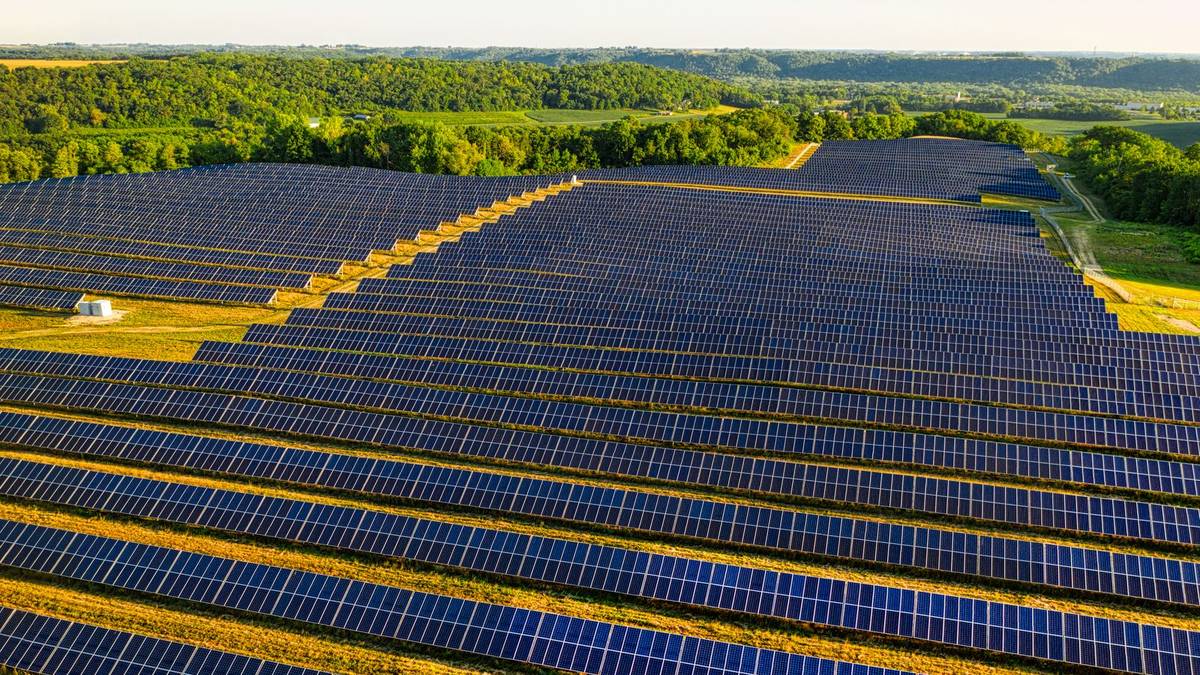
Politics moved clean energy prices faster than fundamentals could. After Democrats won both chambers on November 3, First Solar jumped as much as 11% overnight before closing roughly 9% higher, Sunrun added 8%, and Enphase and SolarEdge climbed as much as 12%. The Invesco Solar ETF rose about 3%, Hanwha Solutions gained as much as 10%, and SMA Solar added 8% to 11.6%. Yet Sunrun is still down about 49% this year and Orsted has lost more than 70% of its value since early 2025.
The rally bets on future legislation, not current law. The 2025 budget law ended wind and solar subsidies early, requiring projects starting construction after July 4, 2026 to be in service by the end of 2027 to claim credits. Interior has canceled approvals including Lava Ridge and moved against US Wind off Maryland, while Commerce opened a probe into imported turbine components. A Democratic Congress does not convene until January and cannot restore credits against a veto.
Fundamentals are improving independently. Data-center electricity demand is stretching grid capacity, and TotalEnergies argues the Iran war could accelerate the transition, raising U.S. renewable spending while rivals retreat.
Investment implications: Treat the post-election pop as a policy option, not an outcome. Manufacturers with domestic content and contracted backlogs carry less legislative risk than residential installers reliant on consumer credits. Favor developers with investment-grade balance sheets and data-center-linked power agreements over names whose valuations rest entirely on restored subsidies.
Energy Stocks & Outlook
Energy has been 2026’s best-performing sector, with the Energy Select Sector SPDR Fund up more than 53% year to date in early November. Third-quarter results validated the run. ConocoPhillips beat estimates on higher realizations and raised its dividend, Saudi Aramco reported a 34.5% jump in quarterly profit despite attacks on its infrastructure, and TC Energy lifted its 2026 outlook while announcing C$3 billion of new pipeline projects.
The rotation since the election is the more revealing signal. Oil and AI-linked shares slid while green names rallied, suggesting investors are pricing a policy regime change rather than a commodity cycle. That argues for a barbell: cash-generative hydrocarbons for geopolitical protection, paired with selectively sized transition exposure. Watch the November 29 OPEC+ meeting, Hormuz transit volumes, and early winter weather as the catalysts most likely to break the range.
Sources
EIA Short-Term Energy Outlook; IEA Oil Market Report, October 2026; OPEC statement, November 1, 2026; Reuters; Bloomberg.
Disclaimer: This analysis is for informational and educational purposes only and should not be considered financial advice. Energy sector investments carry significant commodity price volatility and geopolitical risks. Always conduct your own research and consult with a qualified financial advisor before making investment decisions.