



1. S&P 500 Closes at New All-Time Record

The S&P 500 index notched another fresh closing record, extending its winning streak to four straight sessions in a move largely led by technology stocks. This late-year rally is being fueled by strong economic data, particularly the robust third-quarter GDP report, and optimism surrounding the Federal Reserve's future policy path. The market is now positioning itself for a potential “Santa Claus rally” to close out the year.
Why it matters for investors: The broad market strength, especially in the S&P 500, signals strong underlying corporate health and investor confidence. However, the narrow, tech-led nature of the advance suggests that investors should review their portfolio diversification and consider whether the current valuations are sustainable without broader market participation.
2. Federal Reserve Officials Offer Divergent Rate Cut Outlooks
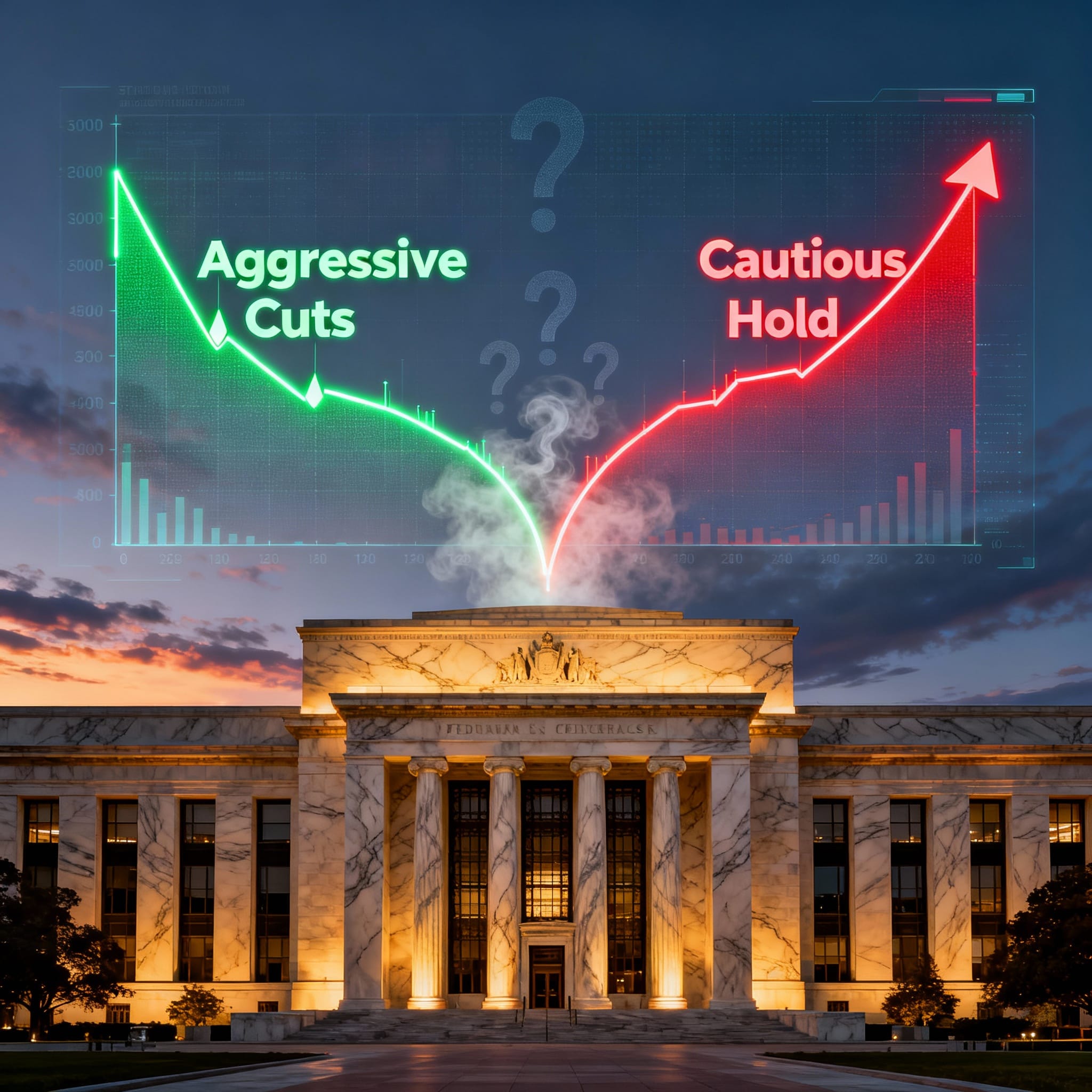
Federal Reserve officials have presented mixed signals regarding the trajectory of interest rates for the coming year, creating uncertainty in the market. While Governor Chris Waller indicated he favors further rate cuts in 2026 as inflation cools, Atlanta Fed President Raphael Bostic stated he does not foresee any cuts next year unless economic conditions deteriorate significantly. This division highlights the ongoing debate within the central bank about the appropriate timing and pace of monetary easing.
Why it matters for investors: The conflicting commentary from key Fed members introduces volatility and complicates interest rate forecasting. Investors should anticipate continued market sensitivity to economic data releases, as the Fed's “data-dependent” approach means the path of rates remains highly fluid and subject to change based on incoming inflation and employment figures.
3. Gold, Silver, and Platinum Surge to Historic Highs
Precious metals markets are experiencing a frenzy, with gold topping $4,500 an ounce and both silver and platinum hitting new all-time records. This surge is driven by a combination of factors, including safe-haven demand amid geopolitical tensions, a weakening U.S. dollar, and heightened expectations for further U.S. interest rate cuts in the near future. Silver, in particular, has outperformed gold, with a year-to-date gain of over 150%.
Why it matters for investors: The record highs in precious metals suggest a growing flight to safety and a hedge against inflation and currency devaluation. Investors may look to increase their exposure to hard assets, and the outperformance of silver and platinum indicates strong industrial and investment demand beyond traditional gold-based safe-haven plays.
4. Goodman Group and CPPIB Announce $9.3 Billion European Data Center Deal
Australian property giant Goodman Group and the Canada Pension Plan Investment Board (CPPIB) have struck a A$14 billion (US$9.3 billion) deal to develop large-scale data center campuses across Europe. The 50/50 joint venture will focus on key digital infrastructure markets like Frankfurt, Amsterdam, and Paris, capitalizing on the massive demand for compute power driven by the artificial intelligence (AI) boom.
Why it matters for investors: This significant capital commitment underscores the long-term confidence in the digital infrastructure sector, particularly data centers, as a high-growth asset class. It signals that the AI-driven demand for computing power is translating into massive real estate and infrastructure investment, offering opportunities for investors in related property and technology stocks.
5. U.S. Economy Posts Robust 4.3% GDP Growth in Q3
The U.S. economy expanded at an unexpectedly strong 4.3% annual rate in the third quarter, marking the fastest pace of growth in two years. The delayed report from the Commerce Department showed that the acceleration was primarily driven by resilient consumer spending, which grew at a strong annual rate, alongside increased government and business investment.
Why it matters for investors: The robust GDP figure confirms the underlying strength and resilience of the U.S. economy, reducing immediate recession fears and supporting corporate earnings forecasts. However, such strong growth could also complicate the Federal Reserve's efforts to bring inflation down, potentially leading to a more cautious approach to future interest rate cuts.
