



Here are the top 5 market-moving developments from the last 24 hours:
1. Trump Administration Threatens Federal Reserve Chair with Criminal Indictment
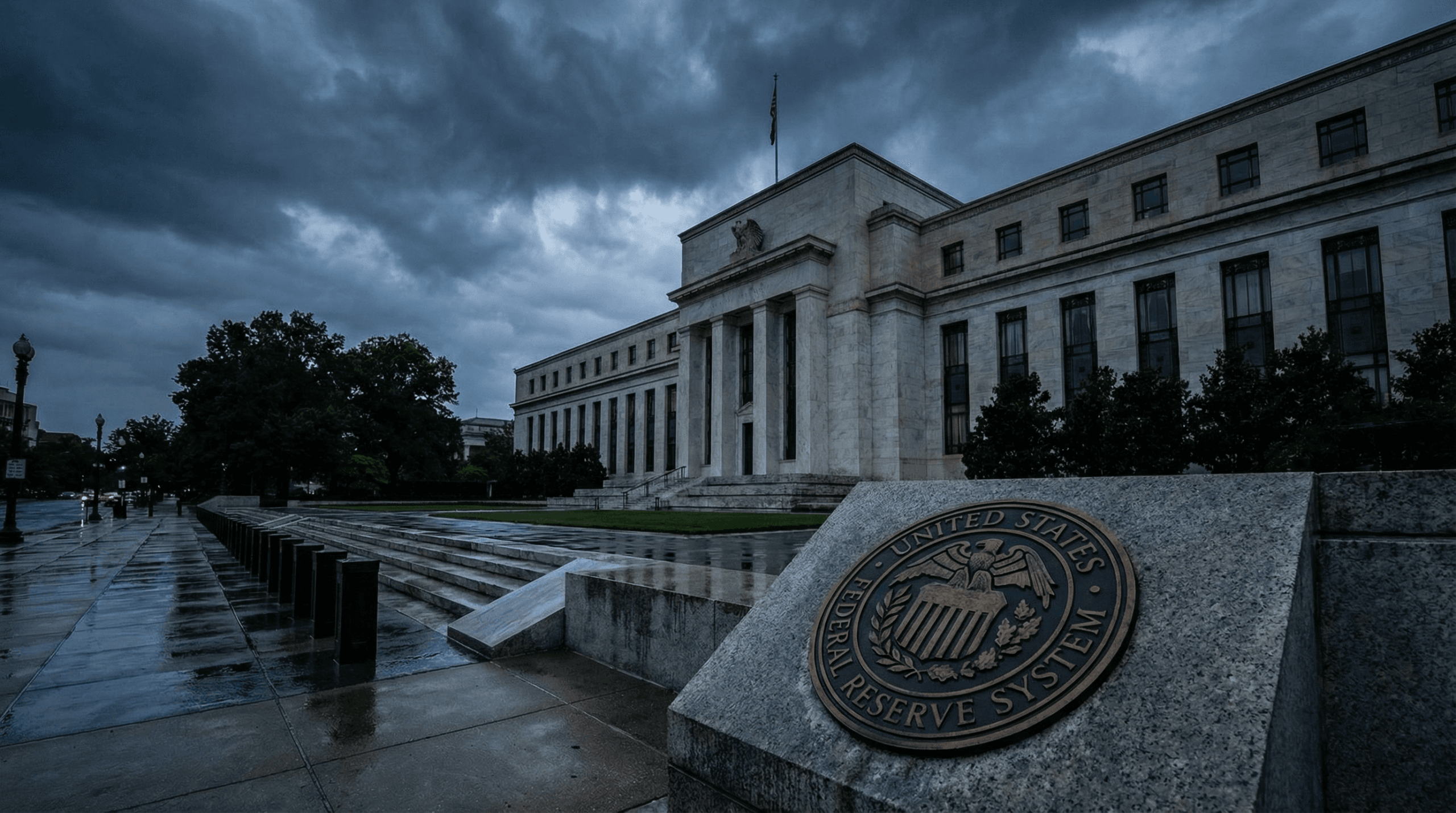
Federal Reserve Chair Jerome Powell revealed Sunday that the Department of Justice has served the central bank with grand jury subpoenas, threatening a criminal indictment related to his past testimony. Powell condemned the move as a direct assault on the Federal Reserve's independence, stating that interest rate decisions are made to serve the public, not presidential preferences. The news sent shockwaves through global markets, with US stock futures tumbling and safe-haven assets like gold surging to record highs.
Why it matters for investors: This unprecedented challenge to the Federal Reserve's autonomy injects a significant dose of political risk into financial markets. The heightened uncertainty surrounding future monetary policy could lead to increased volatility and a flight to safety, as investors question the predictability and data-driven nature of Fed decisions. While the market currently prices a 95% chance of rates remaining on hold, the long-term credibility of the central bank is now a key concern.
2. Q4 Earnings Season Kicks Off with Major Banks in Focus

Fourth-quarter 2025 earnings season begins this week, with major financial institutions like JPMorgan Chase, Bank of America, and Goldman Sachs set to release their results. Analysts are anticipating a strong season for the banks, with a projected 42% surge in merger and acquisition activity expected to be a primary profit driver. While net interest income growth may moderate, robust performance in trading and wealth management is anticipated to bolster the sector's performance.
Why it matters for investors: As the first major catalyst of 2026, the banking sector's earnings will provide a crucial barometer for the health of the broader economy. Strong results would signal corporate confidence and a resilient economic backdrop, potentially boosting investor sentiment. Conversely, any signs of weakness could amplify concerns about a potential slowdown, making these reports a key focus for market direction in the coming weeks.
3. Key Inflation Data Looms with December CPI Report on Tuesday
The December Consumer Price Index (CPI) report, scheduled for release on Tuesday, is a critical upcoming data point for markets. Economists are forecasting a 2.8% year-over-year increase in headline inflation and a 2.7% rise in the core CPI. This report, along with producer price and retail sales data due later in the week, will be heavily scrutinized for its potential influence on the Federal Reserve's next policy move.
Why it matters for investors: The inflation trajectory is the single most important factor guiding the Federal Reserve's interest rate decisions. A cooler-than-expected reading would reinforce expectations for potential rate cuts later in the year, likely fueling market rallies. However, a surprisingly hot report could dash those hopes and force a hawkish repricing, highlighting the significant event risk surrounding this release.
4. Escalating Iran Protests Spark Oil Supply Fears, Driving Prices Higher
Intensifying anti-government protests across Iran are raising concerns about potential disruptions to global oil supplies, pushing crude prices higher. With reports of security force defections and strikes at major energy facilities, the stability of the OPEC nation's 3-4 million barrels of daily production is in question. The geopolitical risk premium in oil markets is rising as the United States weighs military options, and the critical Strait of Hormuz shipping lane is once again a focal point of tension.
Why it matters for investors: The prospect of a significant oil supply disruption from Iran introduces a major wildcard for the global economy and financial markets. A sustained spike in oil prices could fuel inflationary pressures, complicate central bank policy, and act as a headwind for global growth. The situation remains highly fluid, and any further escalation could have far-reaching consequences for energy markets and geopolitical stability.
5. US Stock Market Hits Record Highs Despite Weakest Jobs Growth Since 2003
In a seemingly paradoxical turn of events, the Dow Jones Industrial Average and S&P 500 surged to new record highs on Friday, even as the December jobs report revealed the weakest year for job creation since 2003. The US economy added a meager 584,000 jobs in all of 2025, a stark slowdown from the 2 million created in the prior year. The market's enthusiastic response suggests investors are interpreting the cooling labor market as a sign that the Federal Reserve will be less inclined to raise interest rates.
Why it matters for investors: The market's positive reaction to weak employment data underscores the delicate balancing act facing investors and policymakers. While a cooling labor market reduces inflationary pressure and supports the case for rate cuts, it also raises concerns about economic momentum. The fact that markets are rallying on this news suggests that investors are betting on a “soft landing” scenario where inflation moderates without triggering a recession, though this optimism could be tested if labor market weakness accelerates.
Disclaimer: This market report is for informational purposes only and should not be considered as investment advice. Market conditions can change rapidly, and past performance does not guarantee future results. Always conduct your own research and consult with a qualified financial advisor before making investment decisions.