



Geopolitical Tensions Send Oil Prices to Six-Month High
The global energy markets are on edge as escalating geopolitical tensions between the United States and Iran have sent oil prices surging to their highest levels in six months. Brent crude, the international benchmark, soared above $72 per barrel, while West Texas Intermediate (WTI) climbed to over $67. This sharp increase reflects growing fears of a potential military conflict that could disrupt critical oil supplies from the Persian Gulf. The market is closely watching the Strait of Hormuz, a vital chokepoint for global oil shipments. The recent price rally marks the first weekly gain for crude oil in three weeks, breaking a period of relative stability. Meanwhile, natural gas prices remain subdued, hovering around the $3.00 per million BTU mark at the Henry Hub, as ample production and storage levels in the United States have kept a lid on prices despite some seasonal heating demand. The contrast between the bullish sentiment in the oil market and the bearish fundamentals in the natural gas sector highlights the complex and often divergent forces shaping today’s energy landscape.

Oil Market Analysis
The primary driver behind the recent surge in oil prices is the heightened geopolitical risk premium associated with the U.S.-Iran standoff. Traders are pricing in the possibility of a significant supply disruption, which has overshadowed concerns about a projected global surplus. The Brent futures curve has tightened, indicating a firmer physical market than many analysts had anticipated. This is partly because many buyers are shunning sanctioned barrels, effectively tightening the available supply. Adding to the bullish sentiment, recent data from the U.S. Energy Information Administration (EIA) showed a surprise plunge in crude oil inventories, suggesting stronger-than-expected demand. However, the longer-term outlook remains uncertain. The International Energy Agency (IEA) has warned of a potential oversupply in 2026, and a significant escalation in the U.S.-China trade war could dampen global economic growth and, consequently, oil demand. The situation remains highly volatile, with market direction hinging on geopolitical developments in the Middle East.
Investment implications: The current environment of heightened volatility presents both opportunities and risks for energy investors. A further escalation of the U.S.-Iran conflict could lead to a significant spike in oil prices, benefiting producers and oilfield service companies. However, a sudden de-escalation could see prices retreat just as quickly. For long-term investors, focusing on companies with strong balance sheets, low production costs, and disciplined capital allocation strategies is crucial. Diversification across the energy value chain, including midstream and downstream assets, can also help mitigate the risks associated with commodity price fluctuations.
Natural Gas & LNG
In stark contrast to the oil market, natural gas prices have remained under pressure, with Henry Hub futures struggling to break above the $3.00/MMBtu level. The U.S. is awash in natural gas, with production expected to reach record highs in 2026 and 2027. This abundant supply, coupled with a mild winter in many parts of the country, has led to a significant build in storage inventories. The EIA recently reported a smaller-than-expected withdrawal from storage, further weighing on prices. The liquefied natural gas (LNG) market, however, offers a brighter outlook. Europe's ongoing efforts to reduce its reliance on Russian gas are expected to keep demand for U.S. LNG strong. A robust restocking season in Europe is anticipated, which should help absorb some of the excess U.S. production. Nevertheless, the global LNG market is also becoming increasingly competitive, with new projects coming online in other parts of the world. The near-term outlook for U.S. natural gas prices remains bearish, with any significant price recovery likely dependent on a sustained increase in LNG exports or a hotter-than-average summer driving strong power generation demand.
Investment implications: The current low-price environment for natural gas presents a challenging backdrop for producers. Companies with high debt levels and high production costs may struggle to remain profitable. However, for investors with a long-term perspective, the growing global demand for LNG presents a compelling investment thesis. Companies with exposure to the LNG export value chain, from liquefaction and shipping to regasification, are well-positioned to benefit from this trend. Additionally, companies that can efficiently produce natural gas at a low cost will be the ultimate winners in this oversupplied market.
Renewable Energy & Transition
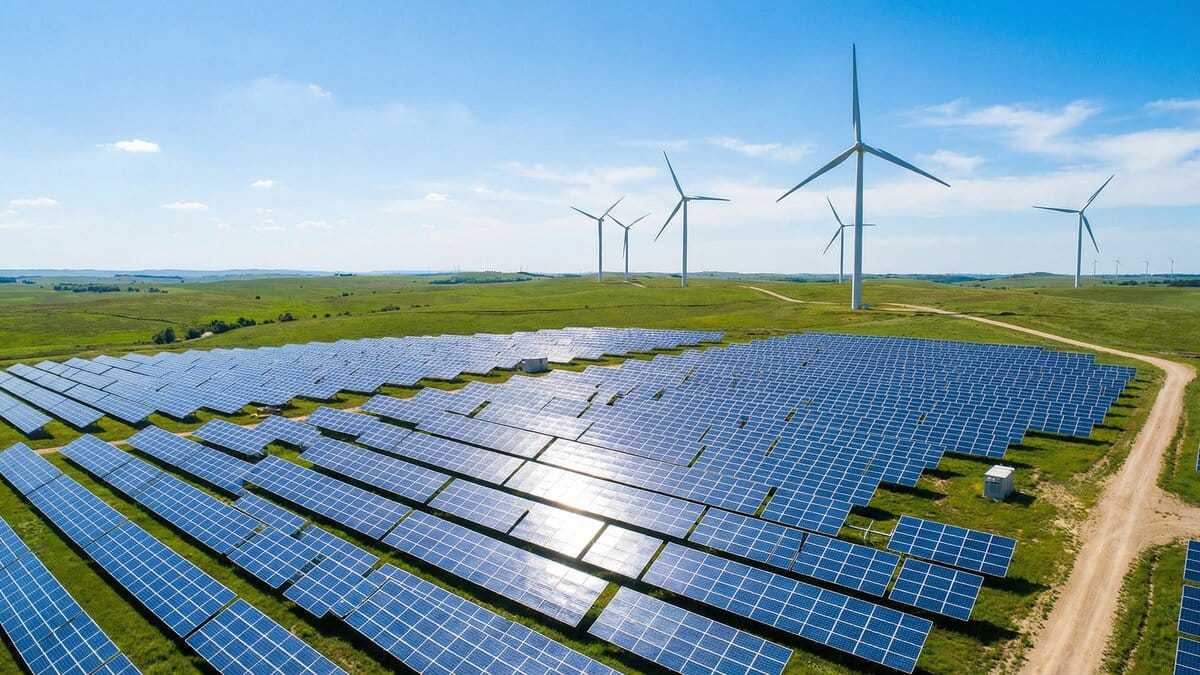
The global transition to a cleaner energy system continues to gain momentum, with the renewable energy market projected to reach $2.5 trillion by 2033. The sector is experiencing rapid growth, driven by falling costs, supportive government policies, and increasing corporate demand for clean power. Solar and wind energy are leading the charge, with new installations continuing at a record pace. The energy storage market is also expanding rapidly, as batteries become increasingly critical for integrating intermittent renewables into the grid. However, the path to a fully decarbonized energy system is not without its challenges. The renewable energy supply chain is facing constraints, and the development of new transmission infrastructure is lagging behind the pace of new generation. Corporate clean energy procurement, a key driver of renewable energy growth in recent years, saw a slight dip in 2025 after nearly a decade of uninterrupted growth. This highlights the need for continued policy support and market innovation to maintain the momentum of the energy transition.
Investment implications: The long-term growth prospects for the renewable energy sector remain incredibly strong. Investors have a wide range of opportunities to participate in this transition, from pure-play renewable energy developers and equipment manufacturers to utilities with growing renewable energy portfolios. Companies involved in the energy storage value chain, including battery manufacturers and software providers, are also poised for significant growth. As the energy transition accelerates, companies that can provide innovative solutions to the challenges of grid integration and intermittency will be highly sought after.
Energy Stocks & Outlook
The energy sector has been a standout performer in the stock market so far in 2026, with the Energy Select Sector SPDR Fund (XLE) surging over 23% year-to-date. This impressive rally has been driven by the sharp rise in oil prices and a renewed sense of optimism about the sector's prospects. Major oil and gas producers like ExxonMobil and Chevron have seen their stock prices climb, as have oilfield service companies. Analysts have become increasingly bullish on the sector, with many raising their price targets and earnings estimates. The strong performance of energy stocks is a welcome change for investors after a challenging 2025. Looking ahead, the outlook for the sector will largely depend on the direction of oil prices. If geopolitical tensions remain elevated and oil prices stay firm, energy stocks could continue to outperform. However, a significant drop in oil prices could quickly reverse the sector's recent gains. Investors should also keep a close eye on the financial health of energy companies, paying particular attention to their debt levels and cash flow generation. Companies that can demonstrate financial discipline and return cash to shareholders through dividends and buybacks are likely to be rewarded by the market.
Disclaimer: This analysis is for informational and educational purposes only and should not be considered financial advice. Energy sector investments carry significant commodity price volatility and geopolitical risks. Always conduct your own research and consult with a qualified financial advisor before making investment decisions.