



Tech Week in Review
The technology sector experienced a volatile start to the week as investors weighed the implications of massive artificial intelligence capital expenditures against broader market rotations. Following a robust run that saw tech stocks significantly outperform the S&P 500, the sector saw a slight pullback. The Nasdaq Composite ended lower on Tuesday, slipping 1%, while the S&P 500 Information Technology sector also faced headwinds, dropping 2.4% early in the week. This rotation reflects a classic market consolidation phase, as investors lock in profits from the recent semiconductor-led rally and reallocate capital into more defensive sectors.
Despite this short-term pressure, the underlying fundamentals of the tech sector remain robust. First-quarter earnings for the tech sector have shown an impressive 56.8% growth rate, significantly outpacing broader market averages. The divergence between the temporary pullback and the strong earnings growth highlights a critical juncture for tech investors: determining whether current valuations accurately reflect the long-term potential of the ongoing AI infrastructure buildout or if a more sustained correction is on the horizon.
Big Tech & AI Developments
The artificial intelligence landscape continues to evolve at a breakneck pace, marked by monumental shifts in corporate strategy and public market anticipation. The most significant development is OpenAI's confidential filing for a U.S. IPO, reportedly seeking a valuation in the $852 billion range. This move, coupled with SpaceX's highly anticipated and oversubscribed $1.78 trillion IPO pitch—which leans heavily on orbital AI data centers—signals a new era where AI infrastructure companies are dominating Wall Street's attention. The traditional “FAANG” acronym is increasingly being replaced by “MANGO” (Meta, Anthropic, Nvidia, Google, OpenAI), reflecting a pivot from consumer internet giants to AI model builders and compute providers.
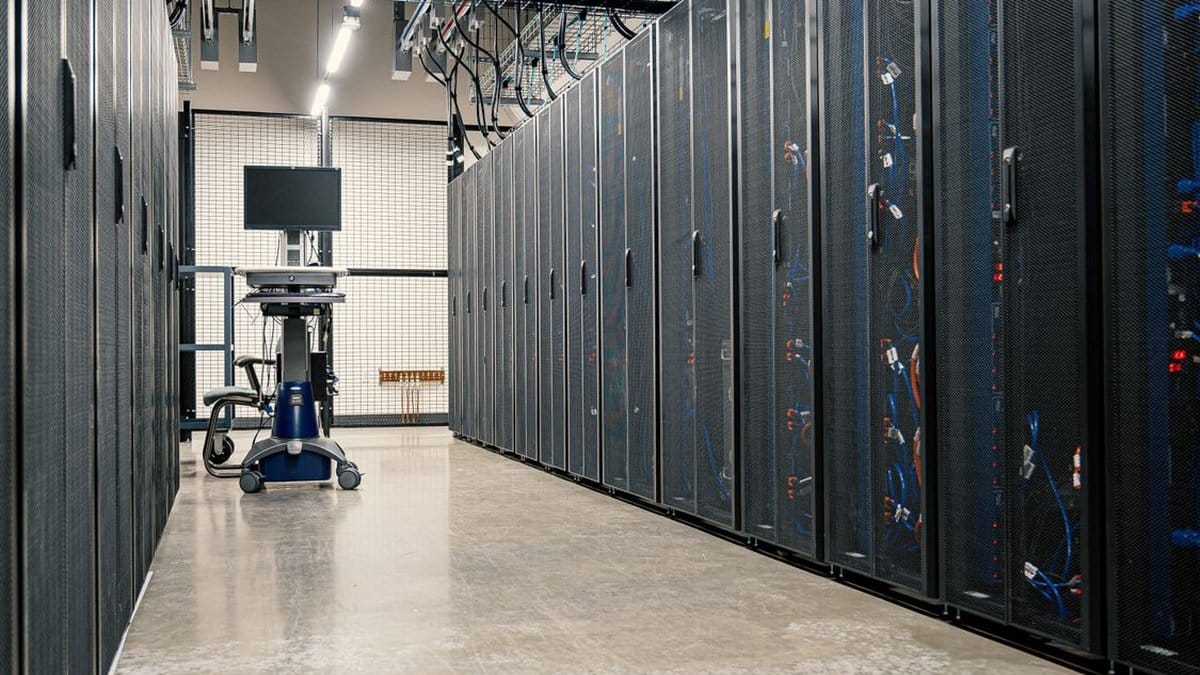
In corporate developments, Apple used its WWDC 2026 keynote to introduce a deeply integrated Siri AI, powered by Apple Intelligence and a strategic partnership with Google Cloud. This approach allows Apple to enhance its ecosystem without bearing the full brunt of massive data center capital expenditures. Meanwhile, the sheer scale of AI spending was underscored by Applied Digital's recent $5.2 billion, 15-year lease for a 210-megawatt AI data center campus, proving that the physical infrastructure required for the AI revolution is rapidly turning into long-term, contracted assets.
Investment implications: The transition from software-focused tech dominance to hardware and infrastructure-heavy AI leadership requires a strategic portfolio adjustment. Investors should look beyond consumer-facing applications and focus on the companies building the physical and computational backbone of the AI economy, while carefully monitoring the capital expenditure-to-revenue timelines of major players.
Emerging Tech Trends
Beyond the headline-grabbing generative AI models, the enterprise IT and cybersecurity sectors are experiencing a quiet revolution driven by the need to manage AI-induced complexity. As companies deploy more autonomous AI agents and manage increasingly sprawling remote workforces, endpoint security and IT operations are becoming critical bottlenecks. This trend was highlighted by NinjaOne, an IT operations platform, recently raising over $400 million at a $12.3 billion valuation. The funding round underscores the growing market for platforms that simplify and secure the enterprise environments where AI tools are deployed.
Furthermore, the global nature of the AI race is intensifying. China is reportedly preparing a $295 billion nationwide AI data center buildout, aiming to reduce reliance on U.S. technology and establish a self-sufficient compute layer. This geopolitical fracturing of the technology supply chain is likely to spur further investments in domestic semiconductor manufacturing and secure cloud infrastructure across both the U.S. and its allies.
Investment implications: The secondary beneficiaries of the AI boom—specifically cybersecurity firms, IT management platforms, and domestic infrastructure providers—offer compelling growth opportunities. These sectors provide essential “picks and shovels” services that are necessary regardless of which specific AI model ultimately dominates the market.
Tech Stock Spotlight
Nvidia (NVDA): Nvidia continues to be the bellwether for the entire artificial intelligence sector. The company recently reported record first-quarter fiscal 2027 revenue of $81.6 billion, an 85% year-over-year increase, driven primarily by a 92% surge in its data center segment. Following the announcement of an $80 billion share repurchase program, CEO Jensen Huang has characterized the recent tech sector selloff as a buying opportunity. With the upcoming rollout of the Blackwell architecture and the newly announced RTX Spark processor targeting the AI PC market, Nvidia is aggressively expanding its total addressable market beyond traditional data centers.
Marvell Technology (MRVL): As the demand for high-speed data transfer within AI data centers explodes, Marvell Technology remains a critical player in the networking and custom silicon space. While the stock experienced volatility this week—jumping nearly 10% before pulling back 8%—its underlying business is deeply tied to the same secular tailwinds propelling Nvidia. Marvell's custom computing solutions are increasingly vital for hyperscalers looking to optimize their massive AI workloads.
Investment implications: While Nvidia remains the foundational holding for AI exposure, the current valuation demands a long-term perspective to weather short-term volatility. Diversifying into networking and custom silicon providers like Marvell can capture the broader infrastructure spend while potentially mitigating some of the concentrated risk associated with pure-play GPU manufacturers.
Week Ahead for Tech
Looking ahead, the technology sector faces several key catalysts that could dictate near-term market direction. Investors will be closely monitoring the fallout from Apple's WWDC announcements, specifically how the market digests the company's reliance on third-party cloud providers for its most advanced AI features. Additionally, the broader market will be watching for any further regulatory developments, particularly in Europe, where Apple has already paused the rollout of its new Siri AI due to compliance concerns with the bloc's strict digital rules.
On the earnings front, while the major tech giants have largely reported, the focus will shift to enterprise software and hardware vendors. Oracle (ORCL) is slated to report fiscal fourth-quarter earnings, providing crucial insights into enterprise cloud migration and database demand. Later in the week, Adobe (ADBE) will release its fiscal second-quarter results, offering a critical look at how legacy software companies are monetizing generative AI tools amidst intensifying competition in the creative professional market.
Disclaimer: This analysis is for informational and educational purposes only and should not be considered financial advice. Technology sector investments carry significant risks including rapid technological change, intense competition, and regulatory uncertainty. Always conduct your own research and consult with a qualified financial advisor before making investment decisions.