



Energy Market Overview
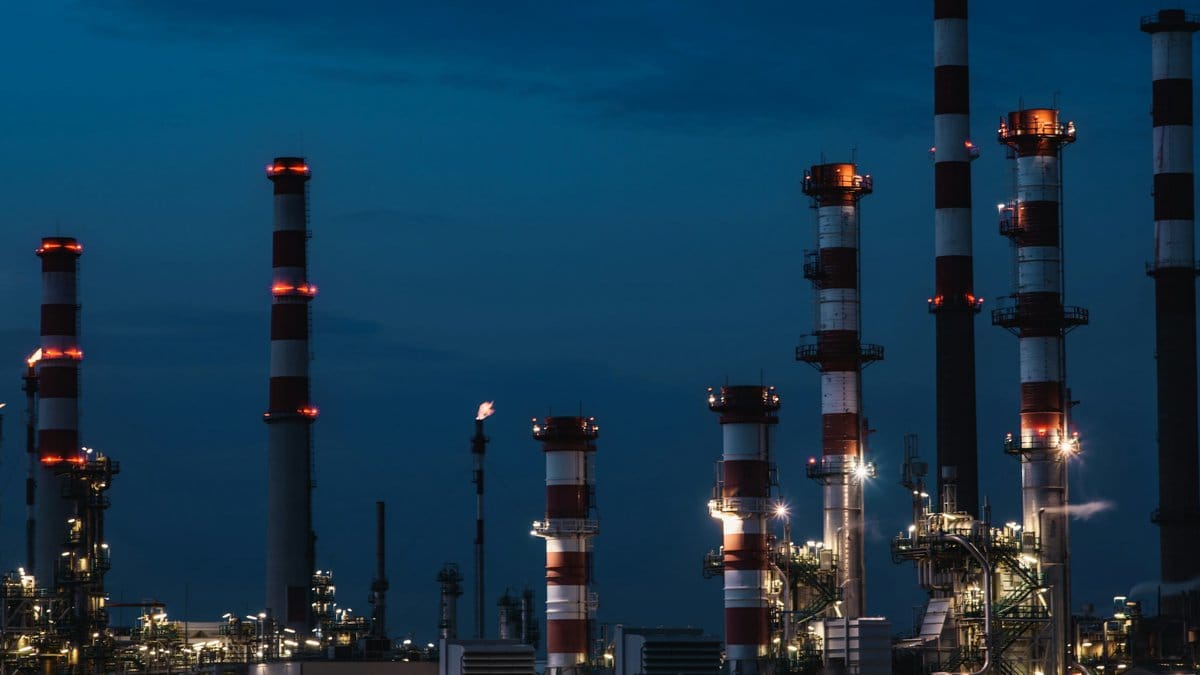
As we head into the final days of July 2026, the global energy markets are navigating a complex landscape defined by geopolitical tensions, shifting supply dynamics, and the accelerating transition toward renewable energy. Crude oil prices have experienced notable volatility this month, with Brent crude futures currently trading around $88.16 per barrel and West Texas Intermediate (WTI) hovering near $82.24. This recent easing of prices comes as traffic through the critical Strait of Hormuz begins to recover following recent hostilities between the U.S. and Iran, which had previously pushed Brent crude above the $93 mark. The market's reaction has been somewhat restrained compared to the shocks seen during the onset of the Ukraine conflict, largely due to higher global inventories and a pre-existing supply surplus bolstered by record U.S. shale production.
Meanwhile, natural gas markets remain a focal point for investors as weather patterns and global demand dictate price movements. Natural gas futures closed recently at $2.725, with prices reflecting a delicate balance between robust domestic production and the evolving dynamics of the liquefied natural gas (LNG) export market. As energy transition efforts gain momentum, the interplay between traditional fossil fuels and the rapid expansion of renewable capacity is reshaping the investment landscape, offering both challenges and opportunities across the entire energy spectrum.
Oil Market Analysis
The global oil market is currently operating under a unique set of circumstances that have kept prices relatively contained despite significant geopolitical disruptions. The recent conflict involving Iran led to a temporary closure of the Strait of Hormuz, impacting approximately 20 million barrels per day, or one-fifth of global oil supply. However, Commonwealth Bank of Australia estimates that traffic through this vital waterway has already recovered to roughly 30% to 35% of pre-conflict levels. This swift partial recovery, combined with the utilization of alternative pipeline networks in Saudi Arabia and the UAE, has helped temper the “war premium” that initially spiked prices.
Furthermore, the Organization of the Petroleum Exporting Countries (OPEC) reported a significant increase in output for June 2026, with OPEC-12 production rising by over 3 million barrels per day, largely driven by the UAE and Kuwait. This influx of supply, coupled with substantial global inventories—including China's strategic stockpiling which increased its import cover to around 115 days—has provided a crucial buffer against supply shocks. On the demand side, weaker-than-expected consumption in Asia has led the International Energy Agency (IEA) to revise its global oil demand forecast downward, projecting a year-over-year decline of approximately 2% for the second quarter. These factors collectively explain why a disruption of this magnitude has not resulted in the triple-digit oil prices many analysts initially feared.
Investment implications: The current environment suggests a cautious approach to pure-play exploration and production companies. While the geopolitical risk premium remains a factor that could cause sudden price spikes, the underlying fundamentals of robust non-OPEC supply and softening global demand point toward a well-supplied market in the near term. Investors may find better risk-adjusted returns in integrated majors that offer strong dividends and possess diversified downstream operations capable of capturing value even when crude prices moderate.
Natural Gas & LNG
The natural gas sector is currently experiencing its own set of dynamic pressures, heavily influenced by seasonal weather forecasts and structural changes in global trade. Domestic U.S. natural gas prices have seen downward pressure, with recent futures trading lower on expectations of mild weather patterns that could reduce demand for power generation used in cooling. However, the broader narrative for natural gas is increasingly tied to the liquefied natural gas (LNG) market. The U.S. continues to solidify its position as a dominant LNG exporter, although recent disruptions in the Middle East have highlighted the vulnerabilities of global LNG supply chains, particularly those reliant on transit through the Strait of Hormuz, which accounts for about 20% of global LNG supply.
Despite these geopolitical risks, European gas prices have remained relatively stable, with the Title Transfer Facility (TTF) benchmark showing a much more muted reaction compared to the energy crisis of 2022. This stability is attributed to Europe's successful diversification of supply sources and elevated storage levels heading into the summer months. Looking ahead, the long-term outlook for natural gas remains robust, as it serves as a critical bridge fuel in the global energy transition, providing reliable baseload power to complement intermittent renewable sources.
Investment implications: Investors should consider the structural growth in LNG demand when evaluating natural gas equities. Companies with significant exposure to LNG infrastructure, export terminals, and associated midstream assets are well-positioned to benefit from the growing global reliance on seaborne gas. Additionally, low-cost domestic producers in premier basins like the Haynesville and Permian may offer attractive upside if domestic demand surges or if new export capacity comes online faster than anticipated.
Renewable Energy & Transition
The transition toward clean energy continues to accelerate at an unprecedented pace, marking a historic shift in global power generation. Recent data from the U.S. Energy Information Administration (EIA) reveals that renewable energy generation increased by 10.1% in the first five months of 2026 compared to the same period last year. Notably, renewables accounted for 30.3% of total U.S. electricity generation during this timeframe. Solar power has been the standout performer, overtaking wind in global generation for the first time in 2025, and continuing its rapid expansion. In Europe, solar energy reached a new milestone in June 2026, generating 25% of the European Union's electricity—the highest monthly share ever recorded.
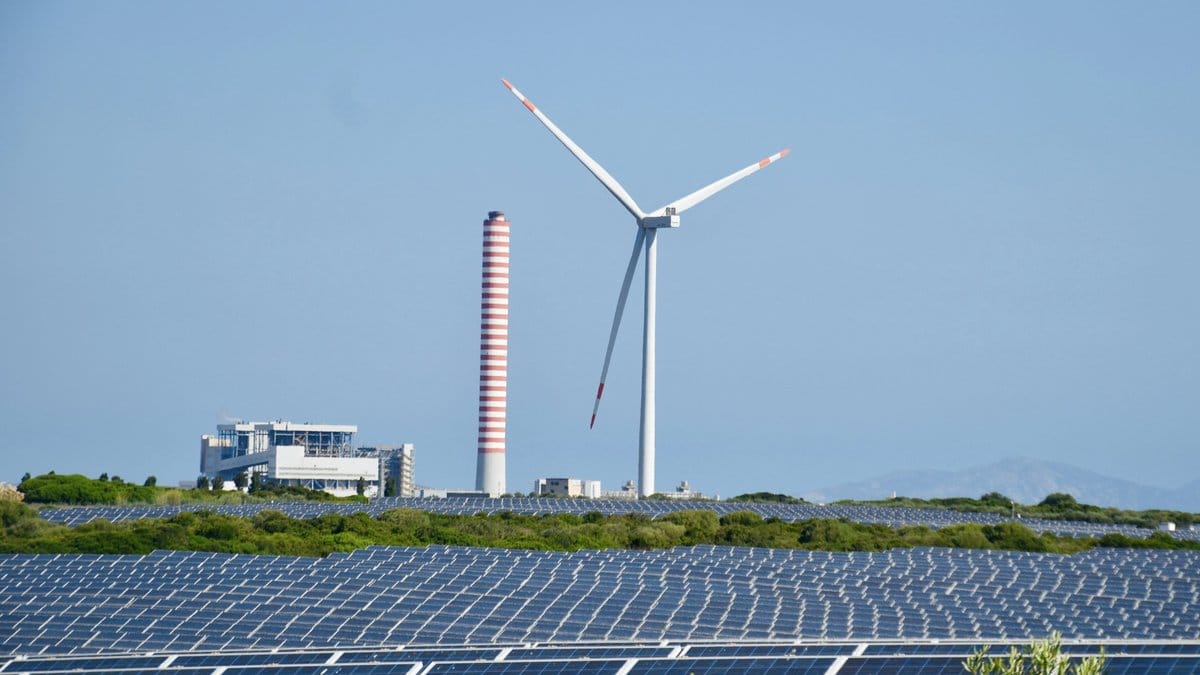
While solar leads in deployment speed and generation growth, wind energy remains highly competitive on cost, particularly for new onshore projects. The combination of wind and solar supplied more than 22% of U.S. electricity generation early this year, significantly outpacing both coal and nuclear power. This structural shift is supported by massive capacity additions, with the EIA projecting utility-scale renewable capacity to increase by nearly 54 GW by May 2027. Furthermore, the rapid deployment of battery energy storage systems is addressing the intermittency challenges of renewables, with storage capacity expected to grow significantly over the next year.
Investment implications: The relentless growth of solar and wind capacity presents compelling long-term opportunities. However, the sector can be capital-intensive and sensitive to interest rate environments. Investors may want to focus on established utility companies that are aggressively expanding their renewable portfolios and modernizing the grid, as well as manufacturers of essential components like high-efficiency solar modules, wind turbine blades, and utility-scale battery storage solutions. Diversified clean energy ETFs also offer a balanced approach to capturing this secular growth trend.
Energy Stocks & Outlook
The energy sector equities have delivered robust performance in 2026, largely moving in tandem with the underlying commodity prices. The Energy Select Sector SPDR ETF (XLE) has posted impressive year-to-date returns of nearly 33%, significantly outperforming broader market indices. This rally has been led by the integrated oil majors, with ExxonMobil (XOM) gaining over 31% year-to-date and Chevron (CVX) closely following with a 29% increase. These companies are entering the second-quarter earnings season with high expectations, as analysts project some of the strongest revenue figures in the past 15 quarters, driven by the period of higher oil prices observed earlier in the year.
Beyond the headline majors, midstream companies and select exploration and production firms are also demonstrating strong financial health, characterized by disciplined capital allocation, significant share buybacks, and growing dividend payouts. As the sector navigates the dual mandates of providing reliable energy today while investing in the low-carbon technologies of tomorrow, companies that can maintain strong balance sheets and generate consistent free cash flow are likely to command premium valuations. The outlook for energy stocks remains positive, provided commodity prices stabilize at levels that support profitability without stifling global economic growth.
Disclaimer: This analysis is for informational and educational purposes only and should not be considered financial advice. Energy sector investments carry significant commodity price volatility and geopolitical risks. Always conduct your own research and consult with a qualified financial advisor before making investment decisions.