



Oil Prices Retreat as Inventory Build and Demand Concerns Resurface
The oil market”s “Uptober” rally came to a screeching halt this week, as a surprise build in US crude inventories and renewed concerns about global demand sent prices tumbling. The bullish sentiment that had dominated the market in the first week of the month quickly evaporated, with both WTI and Brent crude giving back a significant portion of their recent gains. The market is now once again caught between the competing narratives of tight supply and weak demand, with the bears appearing to have the upper hand for now.
Weekly Energy Market Performance
| Metric | Value | Weekly Change (%) |
|---|---|---|
| WTI Crude Oil (USD/bbl) | $73.50 | -4.3% |
| Brent Crude Oil (USD/bbl) | $77.80 | -4.5% |
| Natural Gas (USD/MMBtu) | $2.45 | -2.0% |
| Energy Sector ETF (XLE) | $80.10 | -3.7% |
Surprise Inventory Build Spooks Market
The main catalyst for the oil market”s sell-off this week was a surprise build in US crude inventories. The Energy Information Administration (EIA) reported that crude inventories rose by 3.1 million barrels last week, confounding expectations for a modest draw. The build was driven by a combination of lower refinery runs and a rebound in imports, and it raised concerns that the market may not be as tight as previously thought.
The inventory build was particularly bearish because it came at a time when the market was already on edge about the demand outlook. The latest economic data from China and Europe has been disappointing, and there are growing fears that the global economy is heading for a slowdown. The surprise build in US inventories was seen as a confirmation of these fears, and it triggered a wave of selling in the oil market.
Demand Concerns Resurface
Adding to the bearish sentiment were renewed concerns about the strength of global oil demand. The International Monetary Fund (IMF) this week lowered its global GDP growth forecast for 2026, citing the impact of high inflation, rising interest rates, and the ongoing war in Ukraine. The IMF”s downgrade was a stark reminder that the global economy is facing a number of headwinds, and it raised questions about the sustainability of oil demand growth.
The demand concerns were also reflected in the latest monthly report from the International Energy Agency (IEA). The IEA lowered its oil demand growth forecast for 2026, citing the challenging economic environment. The agency also warned that the market could be heading for a period of oversupply next year as non-OPEC production continues to grow.
Forward-Looking Conclusion
The oil market is once again at a crossroads, with the bulls and bears locked in a fierce battle. The surprise build in US inventories and the renewed concerns about global demand have given the bears the upper hand for now, but the market is still facing a number of supply-side risks. Geopolitical tensions in the Middle East remain high, and OPEC+ has shown its willingness to take further action to support prices.
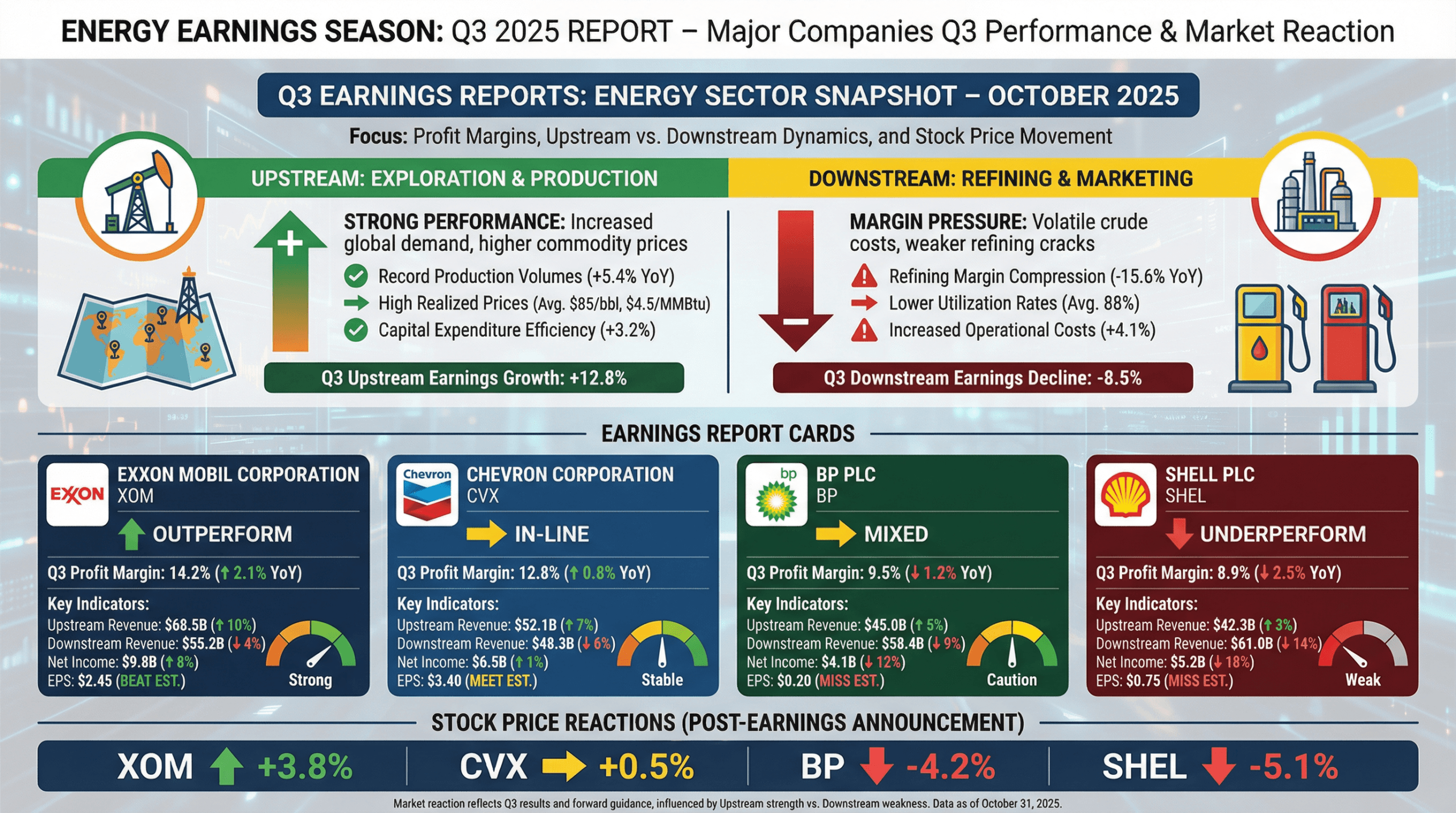
Investors should be prepared for continued volatility in the energy sector in the coming weeks. The key to the market”s direction will be the interplay between supply, demand, and geopolitics. The upcoming earnings season for the energy sector will also be a key focus for investors, as it will provide a fresh look at the health of the industry. For now, the market is likely to remain in a range-bound trading pattern as it awaits a clearer picture of the global supply-demand balance.