



Energy Market Overview
The energy sector in late June 2026 is navigating a complex landscape of shifting geopolitical risks, robust production, and evolving demand dynamics. Summer is officially underway, and natural gas demand is rising as warming seasonal temperatures lift power-sector consumption. Along with strong LNG feedgas deliveries, total demand, including exports, is running above year-ago levels, underscoring the combined pull of domestic cooling needs and export demand early in the summer season.
On a global scale, energy markets are assessing the implications of recent diplomatic developments. A mid-June memorandum of understanding between the U.S. and Iran has reduced the likelihood of near-term disruptions to global energy flows through the Strait of Hormuz, lowering the probability of an immediate energy supply shock, though geopolitical uncertainty remains. Brent crude oil futures have been trading in the mid-$70s range, while natural gas Henry Hub futures are hovering around $3.22 per MMBtu as of late June 2026.
Oil Market Analysis
Despite earlier predictions of severe price spikes following disruptions in the Strait of Hormuz, crude oil prices have remained relatively contained. Brent crude, which peaked at a monthly average of around $120 per barrel in April 2026, has since declined steeply as outlines of a longer-run ceasefire took shape. As of June 25, Brent crude was trading near $75 per barrel. Several factors have contributed to this stability: the world entered the conflict with higher-than-usual inventories, demand destruction from elevated prices, and the use of alternative pipeline routes have together compensated for much of the supply that was temporarily lost.
China has played a critical role in rebalancing the market. By curbing oil imports by about 3 million barrels per day, relying on vast stockpiles exceeding 1 billion barrels, and utilizing more clean energy, China has been able to cushion the impact of higher prices globally. The International Energy Agency (IEA) is now warning that a reopening of the Strait of Hormuz could trigger oversupply next year, forecasting that supply growth will outstrip demand by 4.7 million barrels per day as crude production in the Middle East returns to normal levels. Meanwhile, the EIA's June Short-Term Energy Outlook expects disruptions from the Strait closure to be reduced by approximately 5.5 million barrels per day by the fourth quarter of 2026.
Investment implications: Investors should monitor global inventory levels and the pace at which Middle Eastern production normalizes. While the immediate risk of a massive price spike has diminished, the potential for an oversupplied market in 2027 could weigh on crude prices. Low-cost producers and integrated majors with diversified production outside geopolitical chokepoints — particularly in West Africa, Brazil, and the North Sea — are better positioned to weather continued volatility.
Natural Gas & LNG
Natural gas consumption in the electric power sector continues to support stronger U.S. demand as summer begins. Domestic demand increased 3.3 percent month-over-month, driven primarily by electric power consumption, which rose 27.1 percent as warmer temperatures lifted cooling demand. Despite this demand strength, Henry Hub prompt-month futures prices have edged lower, settling at $3.22 per MMBtu on June 24, down nearly 2 percent from its initial prompt-month settlement. The July contract remains below the broader forward curve, suggesting that market participants continue to price stronger demand over the next year, particularly during the winter months.
Lower 48 dry gas production growth has remained steady, with year-to-date output nearly 4 percent higher than year-ago levels. U.S. LNG feedgas flows also remain exceptionally strong, averaging 18.1 Bcf per day year-to-date — 19 percent higher than the same period in 2025. Internationally, the U.S.-Iran MOU could support a gradual restoration of LNG operations in the Middle East. QatarEnergy has indicated it is prepared to resume LNG production at its Ras Laffan plant and could bring unaffected facilities back to full output within a month, though damaged facilities are expected to take significantly longer to repair.
Investment implications: The robust U.S. production and strong LNG export demand create a balanced outlook for natural gas. Companies with significant exposure to LNG infrastructure and export terminals remain well-positioned to benefit from sustained global demand, particularly as European and Asian markets continue to secure long-term supplies. The Mountain Valley Pipeline's Southgate expansion receiving federal construction clearance in North Carolina also signals continued midstream infrastructure investment.
Renewable Energy & Transition
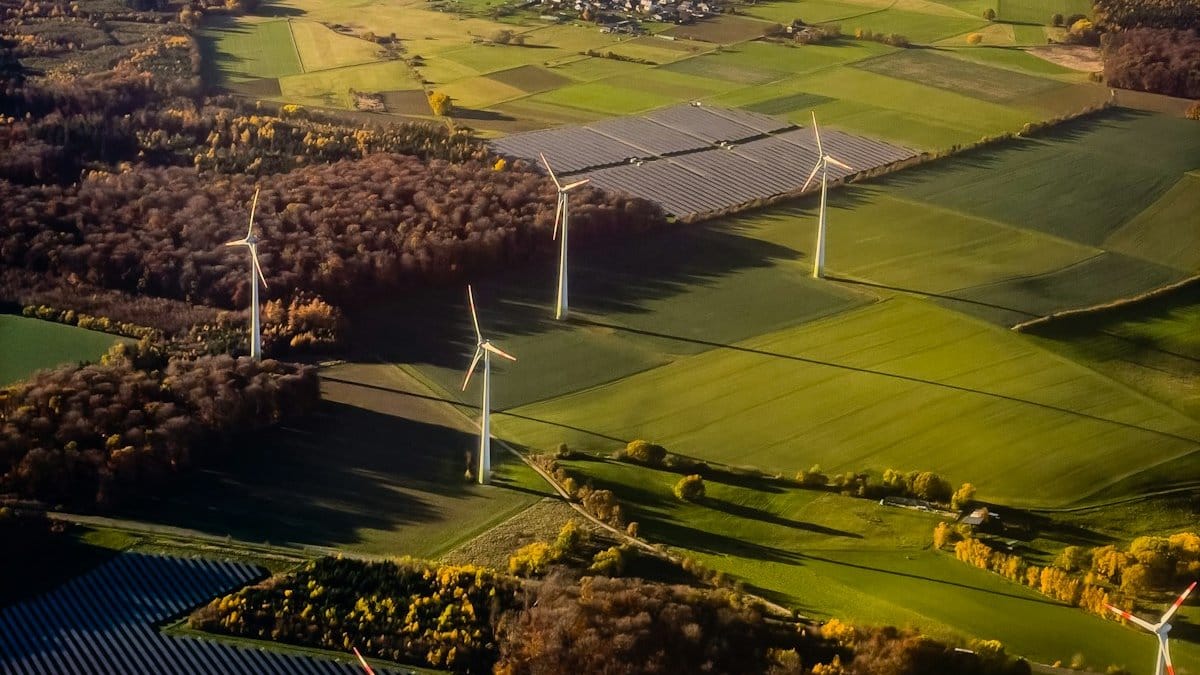
The transition to renewable energy continues to accelerate, partly driven by the recent instability in fossil fuel markets. Over the past five years, solar and wind generation in the Global South has grown on average at 23 percent annually, now supplying 9 percent of its electricity. In the U.S., solar outperformed gas on 82 percent of the days during a recent five-month stretch, and May 2026 marked the first full month on record in which American solar generated more electricity than coal — solar at 12.8 percent versus coal at 12.2 percent of total generation.
The offshore wind sector is poised for significant expansion, with the Global Wind Energy Council predicting a compound average annual growth rate of 24 percent between 2026 and 2030. The growing electricity demand of AI data centers continues to open up new options for powering digital infrastructure, driving further investment in clean energy solutions. EDF Power Solutions North America and Masdar recently signed agreements for a major solar and energy storage project, reflecting the continued momentum in utility-scale renewable development.
Investment implications: The structural shift toward renewables is undeniable. Investors should look toward established players in solar, wind, and battery technology. Companies like First Solar (FSLR) and NextEra Energy (NEE) — the world's largest generator of renewable energy from wind and solar — offer growth potential supported by favorable policies, global climate goals, and the increasing energy demands of the technology sector.
Energy Stocks & Outlook
The performance of traditional energy stocks has been mixed amidst the broader market rally led by technology. Shares of major integrated companies like Exxon Mobil (NYSE: XOM) and Chevron (NYSE: CVX) have faced headwinds, with the Energy Select Sector ETF trailing broad market indices and remaining lower than when the Iran conflict began. On June 25, shares of both XOM and CVX slid approximately 2 to 2.6 percent. Despite this, Chevron has surged over 14 percent year-to-date and continues to offer an attractive dividend yield of approximately 4.1 percent, having paid $1.78 per share on June 10, 2026.
The valuation gap between the energy and technology sectors remains stark — the entire U.S. energy sector accounts for just 3.02 percent of the S&P 500, valued at approximately $4.44 trillion, compared to technology's 38.16 percent weighting. Despite this, the long-term outlook for energy investments remains tied to the capital investment cycle. Sustained higher oil prices may be necessary to encourage oil companies to invest more in new reserves, potentially setting the stage for future value appreciation in the sector as the IEA has revised its long-term oil demand forecast upward.
Disclaimer: This analysis is for informational and educational purposes only and should not be considered financial advice. Energy sector investments carry significant commodity price volatility and geopolitical risks. Always conduct your own research and consult with a qualified financial advisor before making investment decisions.
