



Energy Market Overview
Energy markets are split between oil priced for disrupted global flows and a U.S. natural-gas market cushioned by rising supply. Brent crude has eased from early-September extremes but remains near $103 per barrel, while West Texas Intermediate is close to $100. The pullback reflects hopes that Saudi barrels can move through alternative routes, not a resolution of the transport and refinery disruptions tightening physical markets.
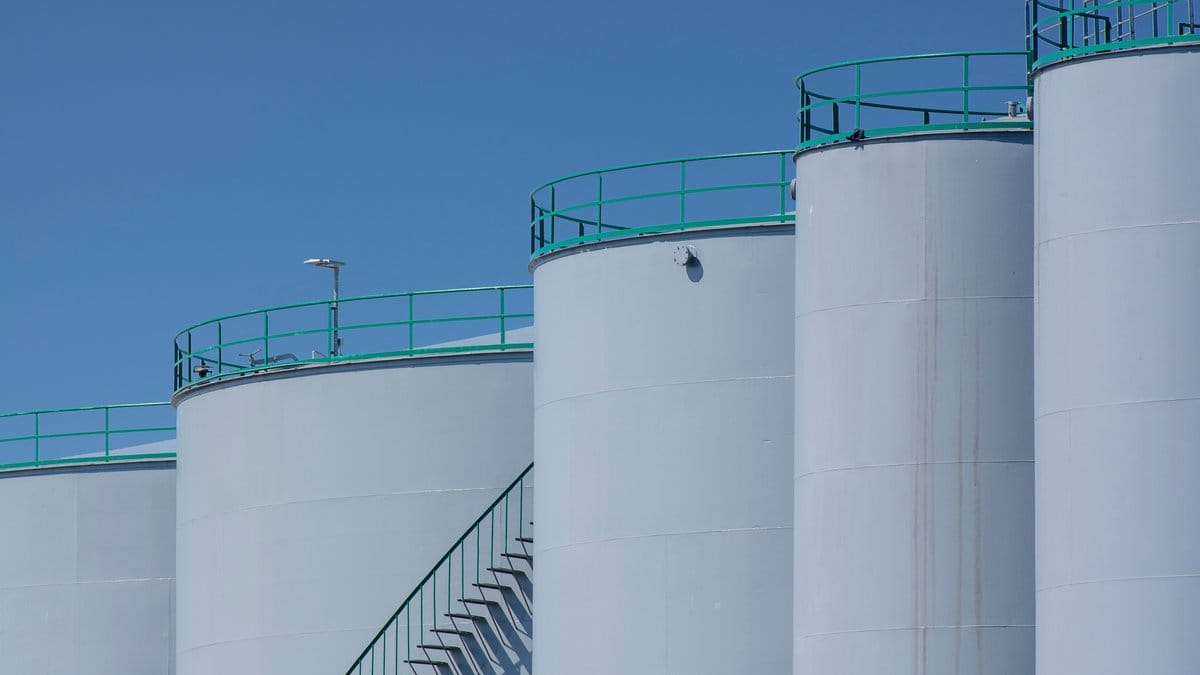
Crude’s risk premium remains the defining market signal. The International Energy Agency reported that North Sea Dated crude averaged $91 per barrel in August before surging above $113 on September 9, as attacks and constrained transit through key Middle East routes reduced available supply. The U.S. Energy Information Administration expects Brent to average roughly $90 per barrel in the second half of 2026, although that forecast was finalized before the latest market volatility. Today’s prices above that level underscore how quickly shipping and infrastructure risks can overwhelm a monthly outlook.
Natural gas presents a more balanced domestic picture. The EIA projects a 2026 Henry Hub average of $3.43 per million British thermal units, with inventories expected to reach 3,969 billion cubic feet at the end of the injection season—about 5% above the five-year average. The buffer matters as winter approaches, but weather, LNG feedgas demand, and power-sector consumption can still move prices sharply.
Oil Market Analysis
Oil’s current strength is rooted in physical availability rather than a broad-based demand boom. The IEA estimates global observed inventories have fallen by 507 million barrels since February, an average draw of 2.8 million barrels per day, with a further 95 million-barrel decline in August. Disruptions in the Gulf and Russia have tightened crude, diesel, and shipping capacity at the same time. The result is an unusually steep premium for prompt barrels and exceptionally strong refining economics, particularly for middle distillates.
Supply losses are concentrated where the market has limited ability to substitute quickly. The IEA said global oil production dropped to 100.1 million barrels per day in August as more than 10 million barrels per day of Gulf output remained shut in. It now sees world supply falling by 5.7 million barrels per day in 2026, with the recovery in Middle East production deferred into 2027. Saudi supply fell to roughly 6 million barrels per day in August, according to the agency’s assessment, illustrating why spare capacity on paper is not the same as deliverable supply.
Demand is weakening under the pressure of high fuel prices, producing an important tension for the fourth quarter. The IEA projects world oil demand will decline by 2.5 million barrels per day in 2026, while OPEC’s September report still forecasts 380,000 barrels per day of growth after its fifth consecutive downward revision. The disagreement is meaningful: both institutions recognize softer consumption, but their different estimates leave investors with a wide range of possible balances. A durable improvement in Gulf exports could cool prices rapidly; continued disruptions would keep inventories and product markets under pressure.
Investment implications: Integrated producers and refiners retain leverage to elevated crude and distillate margins, but the trade is increasingly sensitive to geopolitical headlines and any evidence of normalizing flows. Companies with diversified production, disciplined capital spending, and downstream exposure may be better positioned than highly levered single-basin producers. Investors should distinguish between a temporary price spike and a lasting improvement in cash-flow assumptions.
Natural Gas & LNG
U.S. natural gas fundamentals are firmer on the demand side but remain well supplied. The EIA projects dry-gas production will rise from a record 107.6 billion cubic feet per day in 2025 to 111.7 billion cubic feet per day in 2026, led in part by growth in the Permian and Haynesville. Domestic consumption is also expected to set a record at 92.2 billion cubic feet per day. With storage above the five-year average at the start of winter, the near-term Henry Hub market will depend heavily on temperature patterns, power burns, and the pace at which supply responds to prices.
LNG is the key link between this domestic balance and international scarcity. EIA forecasts U.S. LNG exports of 17.4 billion cubic feet per day in 2026, up from 15.1 billion cubic feet per day last year. Yet the international market is facing its own demand adjustment: Reuters reported that Asian LNG demand could decline 3% to 10% from 2025 levels as high prices constrain buyers. That mix can cap Henry Hub upside in a mild winter, while a cold U.S. season or resilient export demand could tighten the balance quickly.
Investment implications: Gas-focused producers need a durable demand outlet, not simply a seasonal rally, to sustain higher valuations. LNG exporters, pipeline operators, and low-cost producers with firm transport access may offer more direct exposure to structural export growth. Weather volatility, basin differentials, and liquefaction utilization remain critical risks.
Renewable Energy & Transition
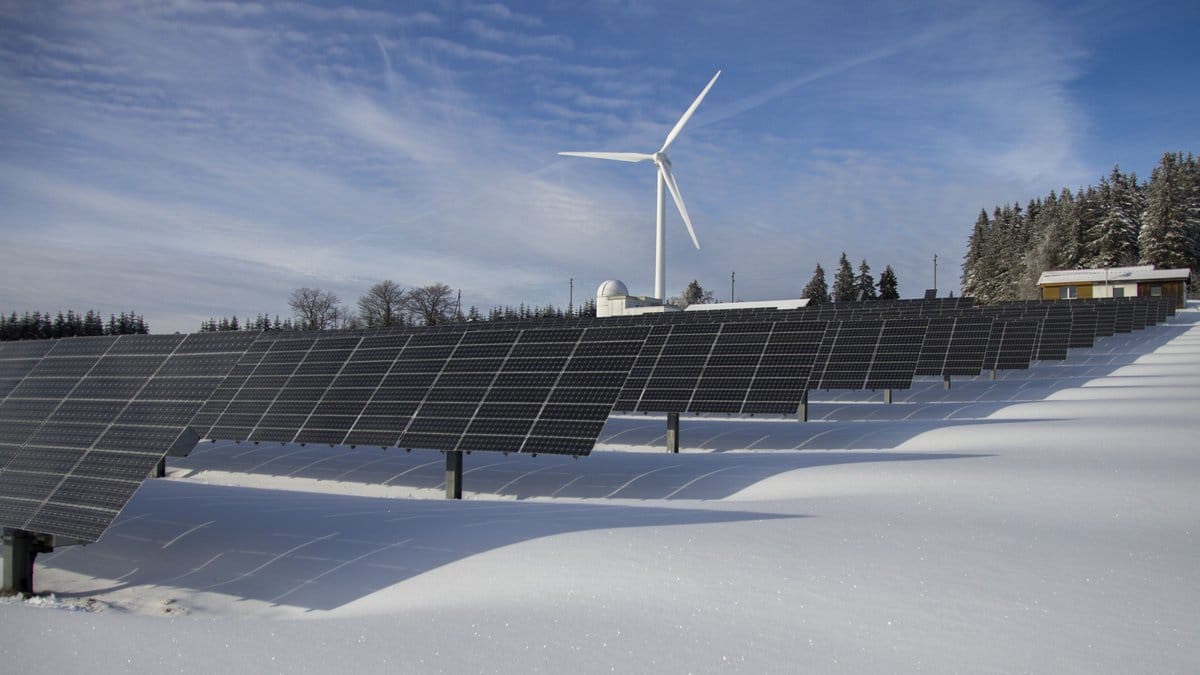
The transition story remains tied to electricity demand rather than solely to commodity prices. EIA expects U.S. electricity sales to reach 4,135 billion kilowatthours in 2026 and 4,211 billion in 2027, driven by data-center construction and increased manufacturing activity. This demand growth raises the value of dependable generation, transmission, storage, and grid equipment. It also makes the interaction between natural gas and renewables more important: gas-fired plants continue to supply flexible power while renewable capacity expands.
Solar and wind are still gaining share. In EIA’s September outlook, wind represents 11% of U.S. generation in 2026 and solar 8%; the respective shares rise to 12% and 9% in 2027. Project economics, however, remain uneven. Developers face interest-rate sensitivity, interconnection queues, supply-chain execution, and permitting timelines. Large-scale projects with contracted offtake and secure equipment procurement are better insulated than developers relying on merchant prices or uncommitted financing.
Investment implications: The more durable renewable opportunities may sit across the power system—regulated utilities, transmission providers, grid equipment suppliers, and owners of contracted assets—rather than in a blanket bet on every solar or wind manufacturer. Rising load from data centers can support long-duration investment, but valuation discipline is essential where growth expectations are already high.
Energy Stocks & Outlook
Energy equities are being pulled by two distinct forces: the immediate cash-flow tailwind from high oil and diesel prices and the uncertainty created by demand destruction and disrupted logistics. Exxon Mobil, Chevron, and other diversified majors offer broad exposure to upstream realizations, refining, trading, and LNG; their scale can help absorb regional disruptions. Independent producers offer greater commodity sensitivity, while refiners can benefit from tight product markets but face sharp reversals when crack spreads normalize.
Within the transition complex, NextEra Energy and First Solar remain useful bellwethers for utility-scale renewables, but they respond more directly to rates, project execution, and policy conditions than to the oil price. A balanced energy allocation should treat traditional hydrocarbons, LNG infrastructure, and electrification assets as distinct risk exposures. The next major catalysts are Gulf shipping conditions, weekly inventory data, Northern Hemisphere weather, and evidence that rising electricity demand is translating into contracted power and grid investment.
Sources
U.S. Energy Information Administration, September 2026 Short-Term Energy Outlook; International Energy Agency, September 2026 Oil Market Report; OPEC, September 2026 Monthly Oil Market Report; Reuters reporting published September 9–18, 2026; Bloomberg market data.
Disclaimer: This analysis is for informational and educational purposes only and should not be considered financial advice. Energy sector investments carry significant commodity price volatility and geopolitical risks. Always conduct your own research and consult with a qualified financial advisor before making investment decisions.